

Farmers show more interest in agrivoltaics — the use of solar panels to protect crops and boost yields and income

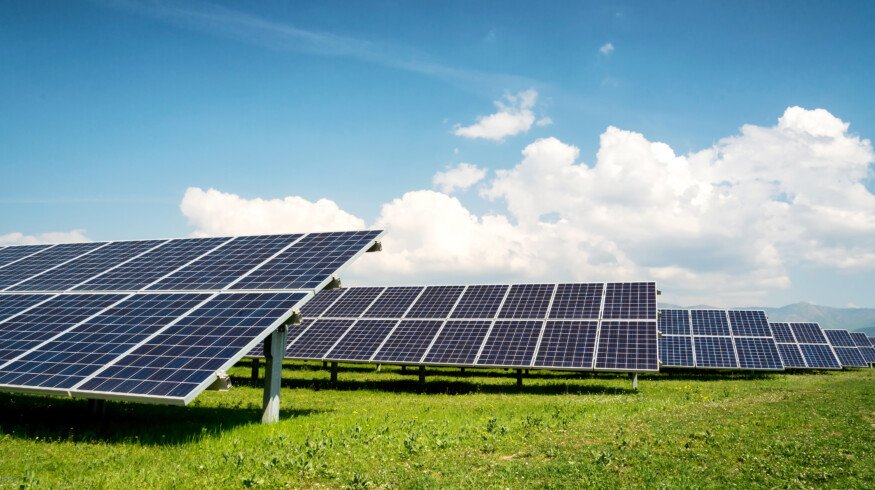

Farmers in several regions are adopting solar panels as a protective canopy for crops, supporting a fast-expanding practice known as agrivoltaics. The approach combines conventional agricultural production with photovoltaic systems, using the same land to grow food and generate electricity.
Researchers note that many crops do not benefit from full, direct sunlight throughout the day. Experiments in multiple countries show that partial shading can improve yields for vegetables and fruit, including broccoli, celery, grapes, lettuce, peppers, and strawberries. The panels create cooler microclimates that conserve water and shield plants from excessive heat, wind, and hail.
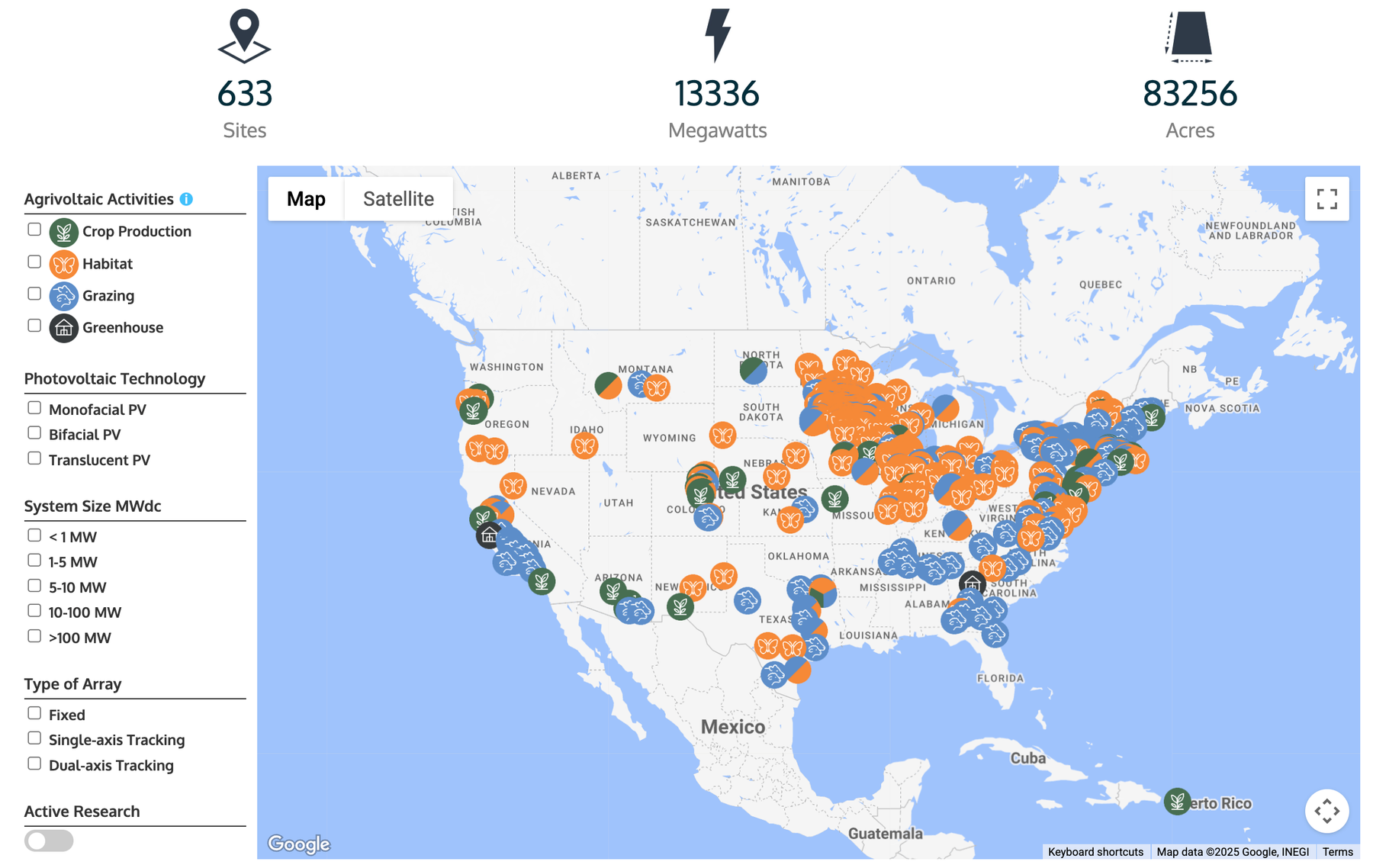
Interest in agrivoltaics has accelerated as the costs of solar power have decreased. Many farmers now view solar energy as an affordable way to secure a second revenue stream while reducing their exposure to volatile commodity markets and adverse weather conditions. Industry groups point to up to 14 potential on-farm benefits, ranging from electricity generation to protection from extreme weather, water savings and support for local employment.
Regulatory frameworks in Europe have encouraged rapid adoption. Germany, France and Italy have established agrivoltaic legislation, while pilot projects are testing panel installations even on fruit trees. In China, large-scale projects are being utilized in land restoration efforts, with panels shading degraded or desert areas to facilitate the return of vegetation.
In the U.S., commercial development is increasing despite political divisions over energy policy. Surveys across rural states, from Michigan to Texas, indicate that a large majority of residents view combined solar-and-farming projects positively, citing job retention and additional income for farmers.
Environmental assessments suggest agrivoltaic systems can reduce carbon emissions compared with operating solar farms and crop fields separately. A life-cycle analysis found that integrated systems emitted significantly less carbon and required far less fossil energy.
Analysts say the growth of agrivoltaics is driven primarily by economics: higher potential yields and steady income from electricity generation improve farm profitability. The environmental benefits, while substantial, are seen as a complementary advantage rather than the main motivation behind the sector’s expansion.

Enjoyed this story?
Every Monday, our subscribers get their hands on a digest of the most trending agriculture news. You can join them too!






Discussion0 comments