
How to grow healthier plants by improving soil and watering habits

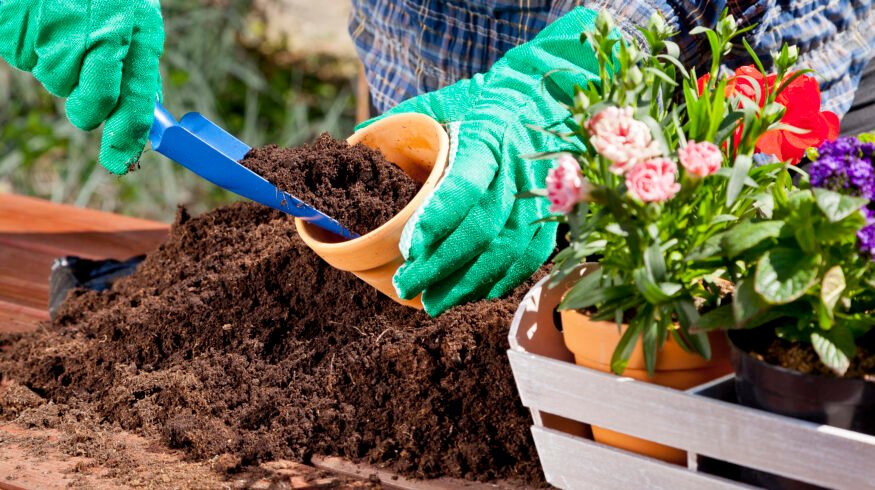

Soil is the central determinant of plant health. Well-structured soil improves root penetration, enhances microbial activity, and supports nutrient cycling. Adding organic matter, such as compost or well-decomposed manure, increases the soil’s capacity to retain moisture and nutrients while maintaining aeration.
As organic content rises, the soil’s ability to hold water increases steadily, reducing irrigation frequency and improving drought resilience. Even small increases in organic content can stabilize plant growth under variable weather. Raised beds and container systems especially benefit from regular soil amendment.
Irrigation strategy and root system development
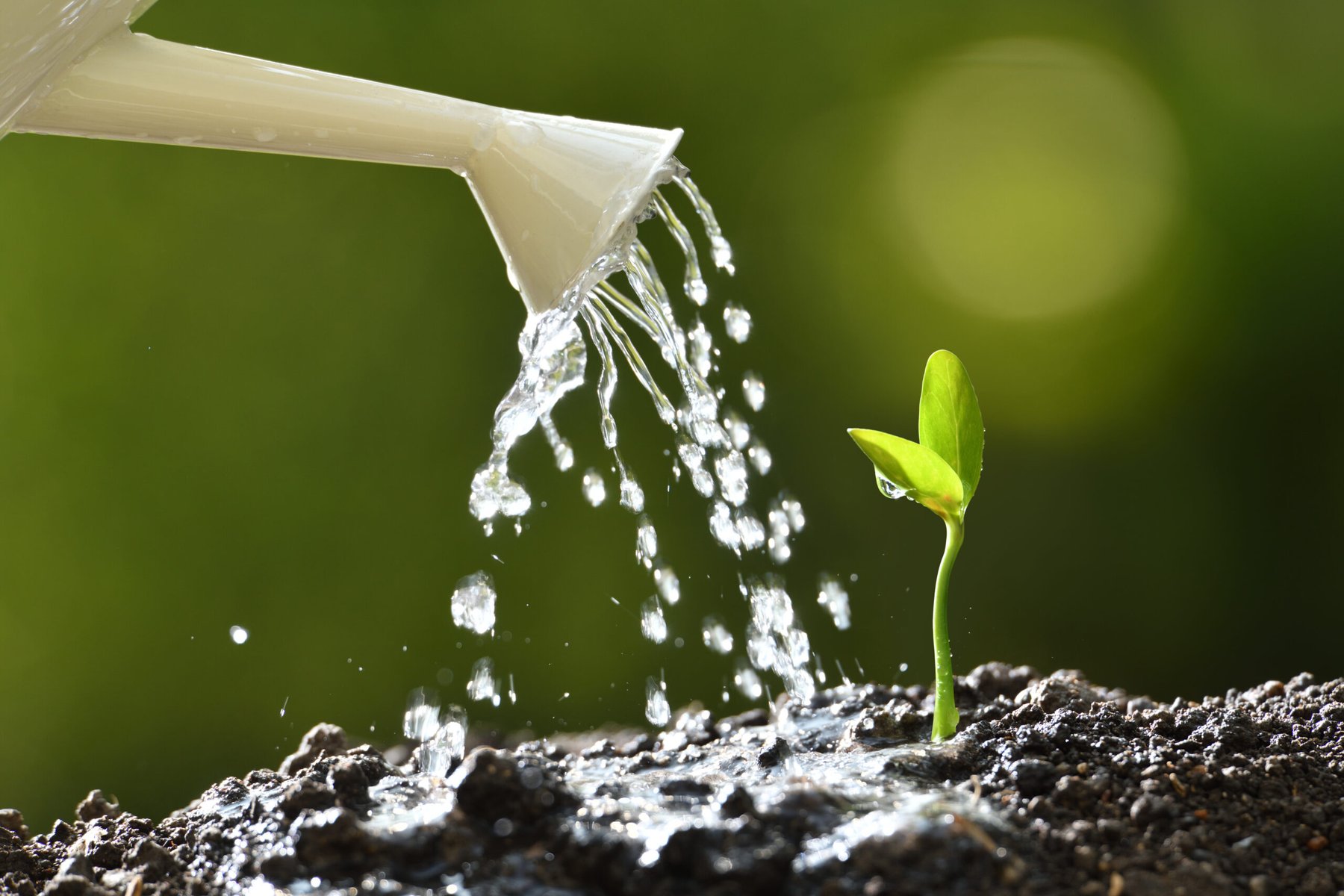
Watering technique plays a key role in plant development. Deep, infrequent watering promotes deeper root systems, improving access to nutrients and water in lower soil layers. Shallow watering concentrates roots near the surface, increasing vulnerability to heat and drought stress.
Early morning irrigation is the most efficient approach. It reduces evaporative losses and limits leaf wetness duration, lowering disease pressure.
Nutrient balance and growth efficiency
Plant nutrition requires balance, not intensity. Insufficient fertilization limits growth, while excessive application reduces performance and causes nutrient imbalances. Over-fertilized plants often show rapid vegetative growth but weaker structure and lower yields.
Slow-release fertilizers and organic inputs provide more stable nutrient availability, better aligning with plant uptake. Monitoring leaf color, growth rate, and flowering helps refine application rates.
Continuous observation and adaptive management
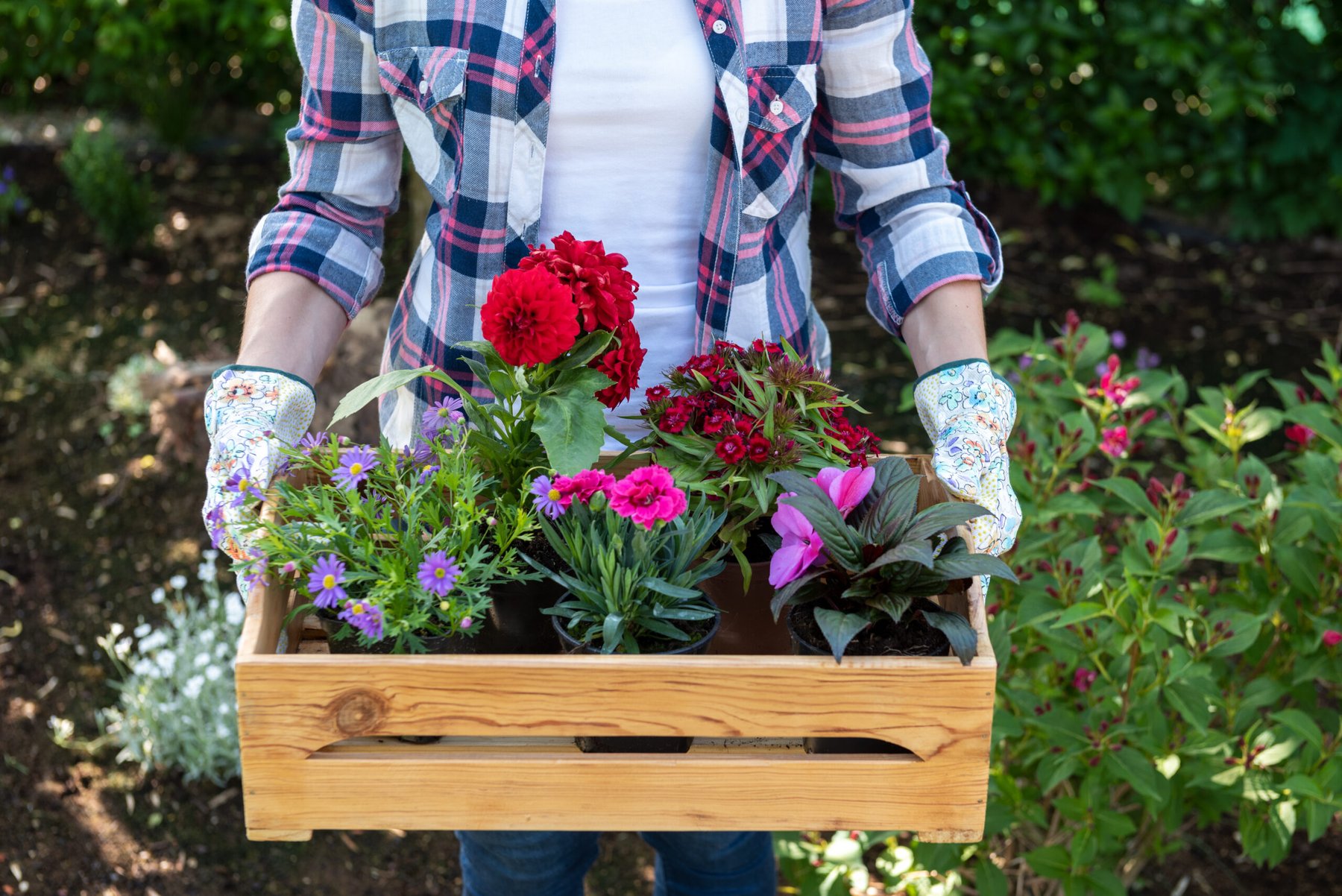
Gardening outcomes depend on continuous adjustment. Soil moisture, nutrient availability, and environmental conditions change throughout the growing season. Regular observation enables gardeners to respond to early signs of stress, pests, or nutrient deficiencies.
Incremental changes such as adjusting watering intervals, improving drainage, or modifying feeding schedules can significantly influence plant health over time. A consistent, data-informed approach builds a more resilient and productive garden.


Discussion0 comments