

Fertilizer shock from Middle Eastern crisis threatens sub-Saharan Africa’s food systems

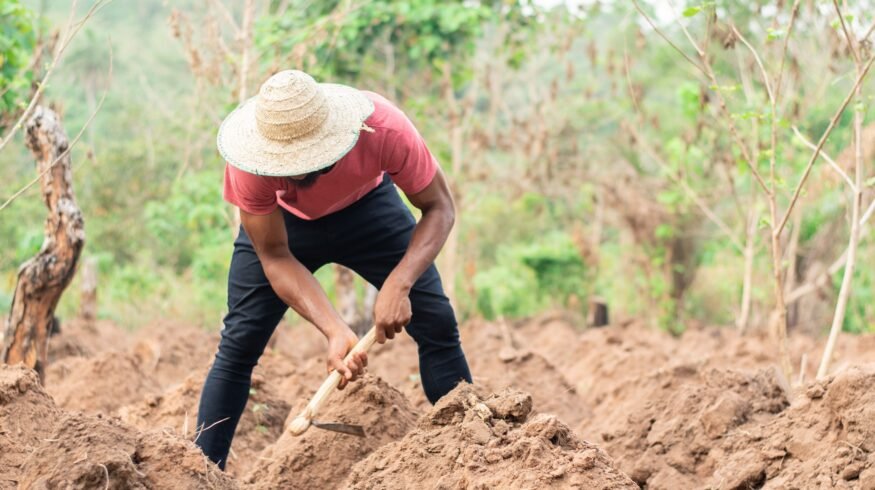

Africa’s heavy reliance on imported fertilizers is being tested as conflict involving Iran disrupts global supply chains, with immediate consequences for food systems across the continent. Roughly 80% of fertilizers used in sub-Saharan Africa are sourced from abroad, including key inputs such as urea from Gulf producers. Iran, one of the world’s largest exporters of urea, has seen exports constrained, while production in Qatar has also been curtailed following damage to gas infrastructure. At the same time, maritime traffic through the Strait of Hormuz has dropped sharply, limiting outbound shipments from the region.
The disruption is already feeding into higher fertilizer prices, adding pressure to agricultural systems that remain vulnerable to external shocks. Countries including Nigeria, Ghana, Kenya and Tanzania depend on Gulf imports, while others such as Morocco and South Africa rely on these inputs for domestic fertilizer production and re-export. Previous disruptions during the COVID-19 pandemic and the Russia-Ukraine war led farmers to reduce fertilizer use, resulting in lower yields and incomes—patterns that risk repeating under current conditions.
Researchers and policymakers are increasingly emphasizing structural adaptations to reduce dependence on imported inputs while improving nutrition outcomes. Proposed measures include expanding production of legumes, fruits and vegetables, adopting agroforestry practices, and scaling biofortified crops such as iron-rich beans and vitamin A-enhanced sweet potatoes. Improvements in storage, food fortification, and nutrition education are also seen as critical to strengthening resilience. At the same time, emerging technologies—such as sensor-based “reporter plants” being developed at Cornell University—could help farmers optimize fertilizer use by providing real-time data on soil nutrient levels.
The findings suggest that a coordinated package of interventions, combining agricultural diversification, social protection programs, and innovation, will be necessary to mitigate the impact of prolonged supply disruptions. Without such measures, rising input costs and constrained access to fertilizers risk further undermining food security across vulnerable regions.

Enjoyed this story?
Every Monday, our subscribers get their hands on a digest of the most trending agriculture news. You can join them too!




Discussion0 comments