

Strait of Hormuz blockade disrupts global fertilizer trade, raising food supply concerns

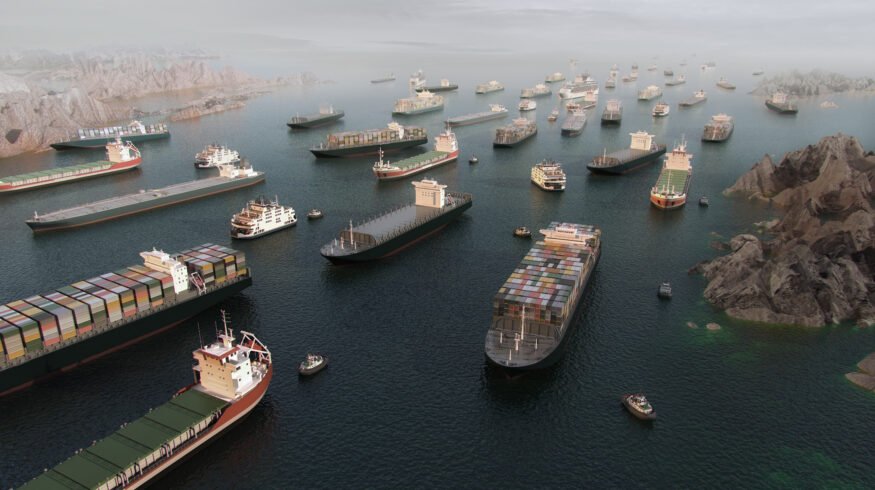

A blockade of the Strait of Hormuz is causing a global fertilizer supply shock that industry leaders warn may have more severe humanitarian consequences than rising oil prices. While crude markets have received significant attention, farmers and analysts identify fertilizer shortages and rising costs as a more immediate threat to food production. UK-based consultants report that on-farm fertilizer prices have increased by about 50%, with availability becoming increasingly uncertain. This signals potential impacts on food prices over the next 12 to 15 months.
This disruption is significant because approximately 40-50% of global food production relies on synthetic nitrogen fertilizers, which are typically derived from natural gas. About one-third of global urea exports and nearly a quarter of ammonia shipments pass through the strait, along with around 20 percent of liquefied natural gas, a key input for fertilizer manufacturing. John Denton, secretary-general of the International Chamber of Commerce, warned that fertilizer shortages could cause “the biggest human suffering,” as efforts continue with António Guterres to establish a safe maritime corridor for shipments. He cautioned that the impact may become visible within months, with early estimates suggesting the crisis has already significantly reduced global food availability.
Current market dynamics differ from previous shocks, such as Russia’s invasion of Ukraine, when grain and fertilizer prices rose together. Now, global grain reserves remain relatively high, keeping crop prices stable while fertilizer costs surge. Jo Gilbertson of the Agricultural Industries Confederation notes that this imbalance is especially severe in lower-income regions, where farmers may be unable to afford inputs, increasing the risk of hunger, social instability, and migration.
In developed markets, farmers are experiencing tighter margins as input costs rise without matching increases in crop prices. Tom Bradshaw, president of the National Farmers’ Union, said producers are already reconsidering planting decisions for the 2027 harvest, with some opting for lower-yield crops that require less fertilizer. Early reports from Australia indicate a decline in wheat planting, demonstrating how rising input costs are influencing production choices.
Industry executives warn that reduced fertilizer use will likely result in lower crop yields in upcoming seasons. Svein Tore Holsether, chief executive of Yara International, said farmers are already applying less than optimal nutrient levels, which will affect output. Meanwhile, structural challenges in Europe, such as high natural gas costs and environmental regulations, have led to permanent closures of domestic fertilizer production, increasing reliance on imports from regions now affected by geopolitical tensions.
Governments are starting to respond. The European Commission has proposed temporary state aid measures that would allow member states to compensate farmers for up to 70 percent of increased input costs, though similar support has not yet been introduced in the UK. Livestock producers are already experiencing delayed deliveries and higher feed costs, highlighting the urgency of the crisis.
With supply chains disrupted and planting decisions approaching, industry participants warn that the full effects of the fertilizer shortage on yields, food prices, and global food security may only become clear over the next year.
Source: The Times

Enjoyed this story?
Every Monday, our subscribers get their hands on a digest of the most trending agriculture news. You can join them too!







Discussion0 comments