

Denmark bets on oats to advance climate-neutral farming goals

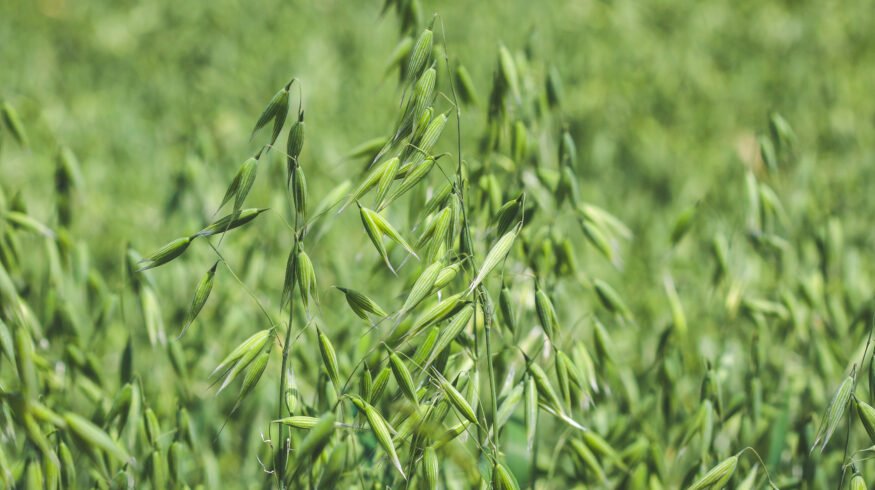

Denmark is positioning oats at the center of its strategy to advance sustainable agriculture and achieve climate neutrality by 2050, as pressure mounts on global food systems to reduce emissions while maintaining output. The country, already a leader in organic farming with one of the world’s highest market shares, is turning to crops that combine lower environmental impact with stable production potential.
The Food and Agriculture Organization of the United Nations (FAO) says agriculture accounts for about one-third of global greenhouse gas emissions, underscoring the importance of land-based climate solutions. Oats are a good option because they have a lower carbon footprint, need less nitrogen, and are tough against weeds and disease. Oats are also among Denmark’s most common organic crops, which aligns with the country’s goal to use fewer chemicals.
The AVENUE research project is a key part of this effort. It brings together experts in plant genetics, farming, and data science to develop oat varieties that are more stable and better able to withstand climate change. The team is testing 200 oat varieties, including seeds from NordGen, a Nordic genetic resource center that stores about 1,000 oat samples. They want to identify traits that help oats grow well under different conditions and improve their nutritional value.
Field trials are happening in Denmark, Sweden, and Scotland. Early results show that the tested oat varieties perform quite differently. Supported by the Novo Nordisk Foundation, the project will continue until 2027 and aims to produce new oat breeding material for different climate conditions. The data will be shared publicly to support other researchers and breeders, helping oats remain a key crop for sustainable food systems in Northern Europe and elsewhere.

Enjoyed this story?
Every Monday, our subscribers get their hands on a digest of the most trending agriculture news. You can join them too!



Discussion0 comments