

Global urea prices retreat as Brazil cuts purchases and 1.24 million tonnes remain stranded in Persian Gulf

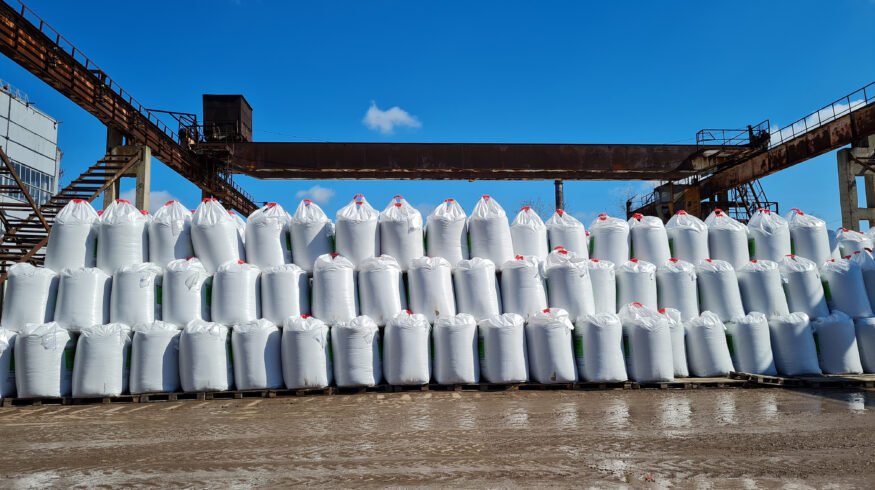

Global urea prices have declined since early May as Brazilian buyers resisted the high prices set by India’s recent import tender. Meanwhile, over 1 million tonnes of stranded cargoes in the Persian Gulf continue to create uncertainty in supply.
Argus Media reports that at least 27 vessels carrying approximately 1.24 million tonnes of urea remain unable to transit the Strait of Hormuz. This disruption, caused by regional tensions, also reduced fertilizer production across the Middle East. CRU estimates that 55% to 60% of ammonia and urea output in the region was halted or reduced at the peak of the crisis, though some facilities have since partially resumed operations.
Brazil is now the main driver of the recent price correction. As the world’s largest urea importer, Brazilian farmers are increasingly substituting ammonium sulfate for urea due to lower costs. In the first four months of 2026, Brazil imported 1.75 million tonnes of ammonium sulfate and 1.4 million tonnes of urea, reversing the trend from five years ago when urea imports were about double those of ammonium sulfate. Analysts attribute this shift to farmer price sensitivity and increased domestic ammonium sulfate production from the steel industry.
India continues to support global prices through government-backed purchases. On April 15, Indian Potash Limited bought 2.5 million tonnes of urea at $935 to $959 per tonne CFR, totaling nearly $2.5 billion. Due to heavy subsidies, India is willing to pay prices that many private-sector buyers, especially in Brazil, will not match.
Market participants are closely watching China, which has not resumed urea exports in 2026 after restricting shipments to protect domestic supply. Expectations for a return in April or May have shifted to the third quarter. Traders note that reopening Chinese exports would likely lower global prices, while continued restrictions would keep the market tight. Meanwhile, negotiations for a potential U.S.-Iran agreement to reopen transit through the Strait of Hormuz could eventually release the stranded cargoes into the global supply chain.
Source: ChemAnalyst

Enjoyed this story?
Every Monday, our subscribers get their hands on a digest of the most trending agriculture news. You can join them too!








Discussion0 comments