

AI and genetics startups race to transform farming as food demand rises

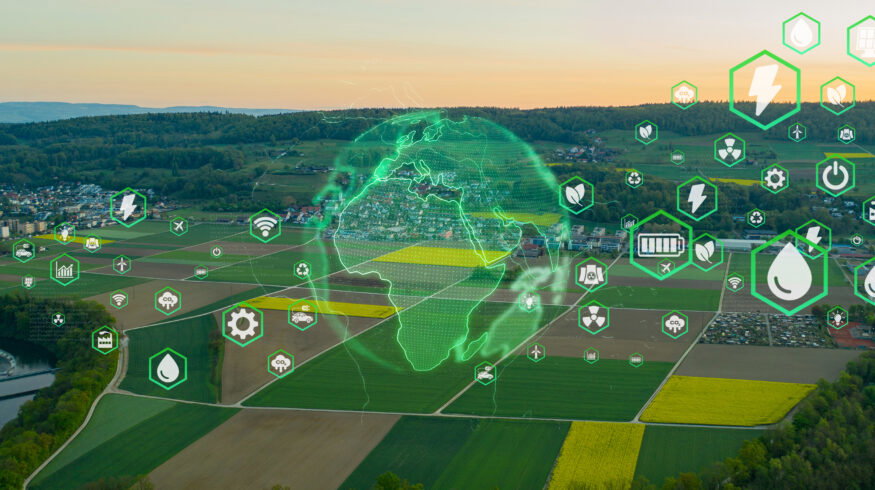

Investment in agricultural innovation is increasingly focused on technologies that could help farmers produce more food while coping with climate change, resource shortages, and market volatility. According to venture capital firm AgFunder, global investment in agricultural innovation exceeded $16 billion in 2025, with approximately $9 billion directed toward research to improve farm productivity, up from $2.5 billion in 2016.
The renewed interest comes as agriculture faces mounting pressures from extreme weather, drought, soil degradation, geopolitical disruptions, and growing global food demand. Industry executives and investors gathered at the recent F&A Next conference at Wageningen University & Research in the Netherlands said advances in artificial intelligence, biotechnology, and plant genetics are creating new opportunities to modernize farming systems that have changed relatively little since the Green Revolution.
Many startups are focusing on alternatives to conventional fertilizers and pesticides. Belgian startup B-COS, a spinout from Ghent University, is engineering bacteria to produce compounds that mimic chitin, a natural substance found in insect exoskeletons and fungal cell walls. When sprayed on crops such as tomatoes and potatoes, the compounds trigger plants’ natural defense mechanisms. The company is developing products designed to improve drought tolerance and reduce disease pressure, claiming disease reductions of up to 50% in field applications.
Artificial intelligence is also becoming a central tool in precision agriculture. Italian company EVJA combines field sensors with AI models to predict disease outbreaks, estimate crop yields, monitor water requirements, and track carbon emissions. The company says customers have reduced fertilizer and water use by as much as 40% while increasing yields. German startup Soilytix uses DNA analysis of soil microbes to identify pathogens and provide recommendations on seed selection, crop management, and pesticide applications tailored to specific field conditions.
Meanwhile, plant breeding startups are using machine learning and accelerated breeding techniques to develop crops better suited to future growing conditions. Dutch startup Aardaia is working to domesticate the aardaker, a wild legume sometimes described as a “protein potato.” Founder Pádraic Flood says the crop could eventually deliver significantly higher protein yields per hectare than soybeans. Using controlled-environment growth chambers and AI-assisted genetic analysis, the company has already increased yields roughly tenfold compared with wild varieties.
Another Dutch company, Radicle Crops, is applying similar technologies to quinoa, developing varieties designed to withstand climate stress while delivering higher yields. The company says one of its hybrid quinoa varieties produces 25% to 45% more grain than existing commercial alternatives and offers improved competitiveness against weeds.
Despite growing interest, agricultural technology remains a relatively small segment of global venture capital investment. Industry data show agritech companies attracted just 1.3% of global early-stage venture funding in 2024, despite agriculture accounting for roughly 4% of global economic output. Nevertheless, investors and entrepreneurs believe advances in AI, genetics, and biological crop inputs could help drive a new era of precision agriculture capable of meeting future food demand while reducing environmental pressures.
Source: The Economist

Enjoyed this story?
Every Monday, our subscribers get their hands on a digest of the most trending agriculture news. You can join them too!



Discussion0 comments