

Spain’s grain harvest set to fall as rain and heat hit yields

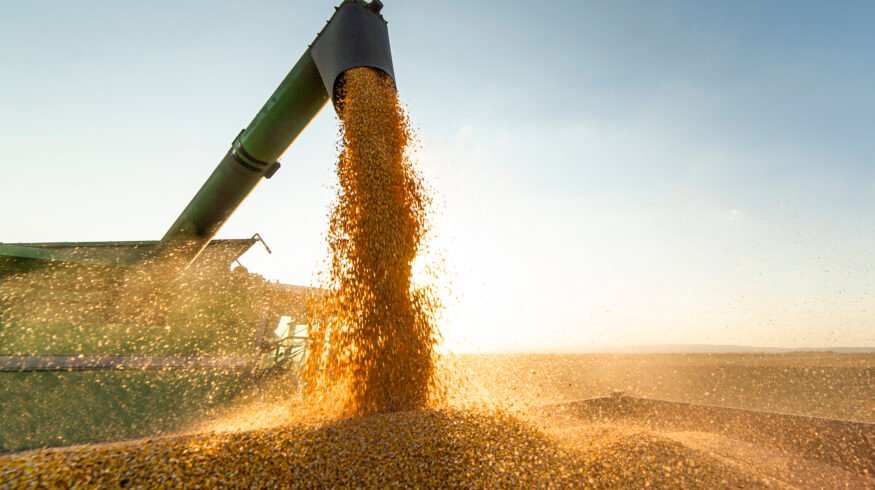

Spain’s grain production is expected to decline in marketing year 2026/27 after the country recorded its second-largest harvest on record a year earlier, according to a report by the U.S. Department of Agriculture’s Foreign Agricultural Service in Madrid. Lower winter grain acreage, excessive rainfall during the first months of 2026, and unusually high temperatures during grain filling have reduced yield prospects across key growing regions.
Spanish farmers planted about 5.1 million hectares of winter grains, slightly below the previous season’s 5.2 million hectares, reflecting a long-term shift toward higher-value crops and changes in planting decisions driven by water availability. At the same time, rising fertilizer and fuel prices since February have squeezed farm margins, encouraging some growers to reduce input use or switch to less input-intensive crops such as sunflower. Analysts warn that lower fertilizer applications could also affect grain protein content.
Weather conditions further weakened the crop. Heavy rainfall and flooding early in the year delayed field operations and limited fertilization, while abundant surface moisture reduced root development. When dry conditions arrived in April, crops struggled to withstand stress, and a late-May heat wave struck during flowering and grain filling, sharply reducing yield expectations in several regions. Total grain production is now projected at about 19.5 million metric tons, below last year’s bumper crop but close to the five-year average. Despite the smaller harvest, grain imports are expected to remain near 15 million metric tons due to large carryover stocks and relatively steady demand.

Enjoyed this story?
Every Monday, our subscribers get their hands on a digest of the most trending agriculture news. You can join them too!






Discussion0 comments