

Trump signs executive order to expand regenerative agriculture as USDA unveils biofuel feedstock rule

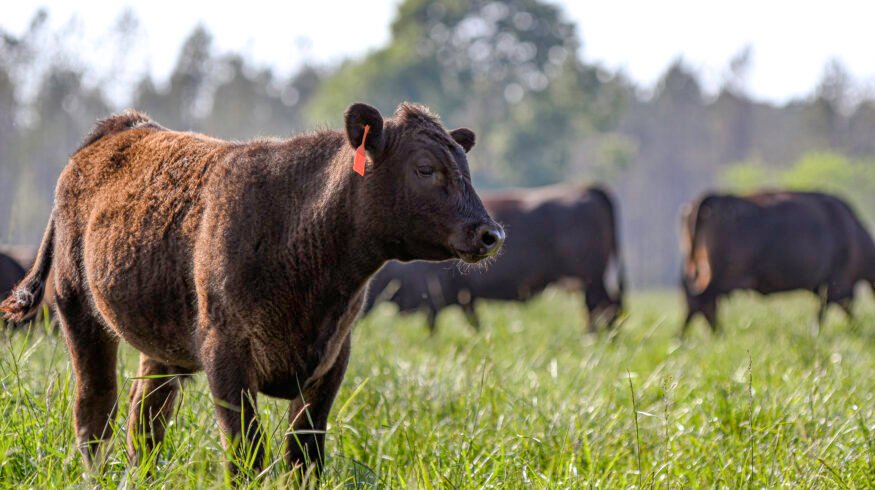

President Donald Trump signed an executive order to advance regenerative agriculture, and the U.S. Department of Agriculture (USDA) finalized the Regenerative Feedstock Rule to link farmers using regenerative practices with growing biofuel markets.
According to the USDA, the rule creates a national framework for producers of corn, soybeans, sorghum, and spring canola to market lower-carbon-intensity feedstocks to biofuel producers. The initiative encourages voluntary adoption of regenerative practices through market-based incentives instead of regulatory mandates. Agriculture Secretary Brooke Rollins stated that the policy aims to help farmers earn premium prices, lower input costs, improve soil health, and enhance long-term profitability while increasing domestic biofuel production.
The Regenerative Feedstock Rule sets standards for eligible crops, carbon intensity measurement at the field level, chain-of-custody, traceability, auditing, verification, and regenerative practices. USDA also released an updated Feedstock Carbon Intensity Calculator to help producers estimate the carbon benefits of practices such as cover cropping, improved nutrient management, and conservation tillage. Farmers can use these reports to market qualifying feedstocks to biofuel manufacturers.
USDA estimates the framework could affect a substantial share of U.S. biofuel feedstock production. The agency said approximately 6 billion bushels of corn are used annually for ethanol production, with about 68% of corn farmers already employing at least one regenerative practice. It added that roughly 1.8 billion bushels of soybeans are produced each year for biofuel markets, with about 70% of soybean producers utilizing at least one regenerative practice. USDA expects participation to expand premium market opportunities as adoption increases.
The administration said the executive order and final rule build on previous federal initiatives supporting regenerative agriculture, including USDA’s Regenerative Pilot Program, which allocated USD 700 million for conservation practices intended to improve soil health, water quality, and long-term farm productivity. According to the agency, the program has produced more than 67,000 whole-farm conservation plans covering over 49 million acres and more than 1,500 conservation contracts valued at more than USD 200 million.

Enjoyed this story?
Every Monday, our subscribers get their hands on a digest of the most trending agriculture news. You can join them too!








Discussion0 comments