

WTO data confirms Strait of Hormuz fertilizer trade disruption is easing as urea nears pre-war price

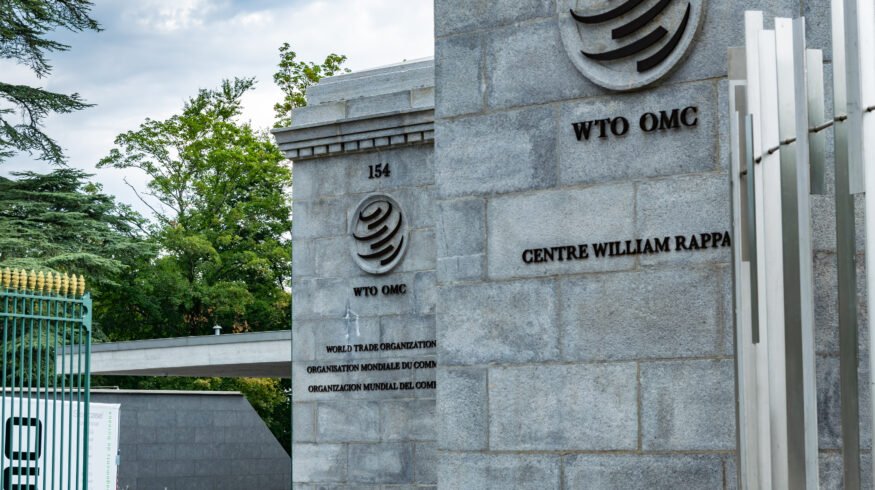

A new analysis from the World Trade Organization shows that the Strait of Hormuz fertilizer trade disruption triggered by the February 2026 Persian Gulf conflict is easing, with urea prices nearly returning to pre-war levels even as phosphate markets remain elevated.
According to the WTO data blog published July 10, urea prices surged from about $400 per metric ton before the conflict to over $850 per metric ton in April 2026 before falling back to roughly $453 per metric ton in June — close to the pre-conflict baseline. DAP prices also rose sharply, climbing from approximately $580 to about $770 per metric ton, and have been slower to retreat. The recovery reflects the partial resumption of shipping through the strait and the entry of alternative supply from China, which reopened urea exports in June with a $660 per metric ton price floor.
The WTO analysis confirmed that outbound fertilizer shipments through the Strait of Hormuz effectively halted once the conflict began, cutting off a corridor that normally handles roughly one-third of global seaborne fertilizer trade, including 34% of urea, 23% of ammonia and nearly 20% of phosphate exports. Several African and Asian economies remain particularly vulnerable to resulting shortages and price increases, the organization said.
Source: World Trade Organization
What to know about the Strait of Hormuz fertilizer trade disruption
Roughly one-third of all globally traded fertilizer normally transits the Strait of Hormuz. According to WTO and NDSU data, Persian Gulf countries account for approximately 34% of seaborne urea exports, 44% of seaborne sulfur trade, and more than 25% of global ammonia exports. The strait is also critical for phosphate feedstock supply, since Middle Eastern sulfur is a key input for phosphate fertilizer production worldwide.
Urea peaked above $850 per metric ton in April 2026 and fell to roughly $453 per metric ton by June, according to WTO data — a decline of approximately 47%. Bloomberg Green Markets reported NOLA granular urea at $453.50 per short ton by early June, the lowest level since February 6. The decline was driven by the partial reopening of shipping, China’s return to the export market, and post-spring seasonal demand softening.
DAP production depends on two inputs that remain supply-constrained: ammonia and sulfur. Both commodities are heavily concentrated in the Persian Gulf trade corridor. While urea trade has partially recovered through alternative supply channels — notably China’s reopened exports — sulfur supply has been slower to normalize. Morocco’s OCP, the world’s largest phosphate exporter, accelerated maintenance at its facilities in part due to the sulfur and ammonia disruptions, further limiting DAP availability.
The WTO analysis highlights several African and Asian economies as particularly exposed. Bangladesh shut four of its five fertilizer plants during the crisis. India, which imports roughly 16% of its fertilizer from China and depends heavily on Middle Eastern urea, launched multiple emergency tenders. Brazil, Indonesia and Thailand each sourced about one-fifth of their fertilizer imports from China, while Malaysia and New Zealand depended on China for roughly one-third.
The World Bank projects urea prices easing further in 2027 as exports recover and new production capacity comes online. DAP prices are forecast to rise nearly 6% for the full year 2026 before declining about 10% in 2027. However, risks remain tilted upward: a prolonged closure of the Strait of Hormuz, renewed Chinese export restrictions, or elevated energy prices could disrupt the expected recovery. The WTO emphasized that opening the strait remains essential to restoring stability in global fertilizer markets.

Enjoyed this story?
Every Monday, our subscribers get their hands on a digest of the most trending agriculture news. You can join them too!








Discussion0 comments