

NOAA forecasts above-average Gulf of Mexico dead zone for 2026

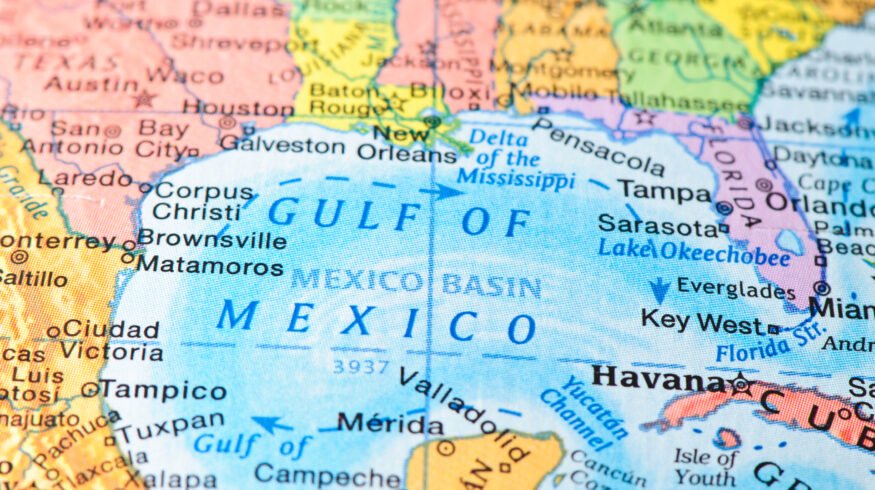

The U.S. National Oceanic and Atmospheric Administration (NOAA) forecasts an above-average hypoxic, or “dead,” zone of about 7,027 square miles in the Gulf of Mexico this summer. This area, comparable in size to New Jersey, is well above the 39-year average of 5,223 square miles and reflects ongoing nutrient pollution from the Mississippi-Atchafalaya watershed. While smaller than the record 8,776-square-mile dead zone in 2017, this forecast represents a significant increase from 2025, when the zone was the 15th-smallest on record.
The U.S. Geological Survey reports that river discharge in May was about 36% below the long-term average. Nitrate loads were 4% above average, while phosphorus loads were 6% below average. NOAA used these data to develop its annual forecast.
Seasonal hypoxia occurs when excess nitrogen and phosphorus from agricultural and urban runoff cause algal blooms. As these blooms decompose, they consume oxygen, forcing marine species to leave the area. The Interagency Mississippi River and Gulf of Mexico Hypoxia Task Force aims to reduce the five-year average dead zone to 1,900 square miles by 2035. However, researchers caution that this goal will be difficult to achieve without a significant increase in investment in nutrient-reduction programs. NOAA-supported scientists will measure the actual size of the 2026 dead zone during a monitoring cruise in late July, with final results expected in early August.
Source: NOAA

Enjoyed this story?
Every Monday, our subscribers get their hands on a digest of the most trending agriculture news. You can join them too!





Discussion0 comments