

New soil phosphorus measurement reveals a hidden nutrient pool across 32 soils

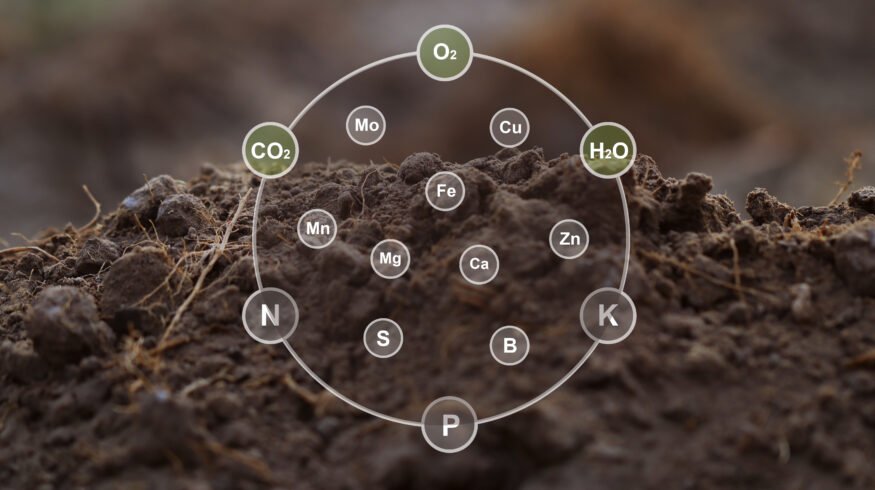

Researchers have refined a simpler, cheaper soil phosphorus measurement that captures a biologically active form of the nutrient most standard tests overlook, giving agronomists a fresh read on soil fertility as global phosphate reserves tighten.
The method, developed by an international team including scientists from Sultan Qaboos University, the James Hutton Institute, and the Environment Authority of Oman, targets DNA-bound phosphorus, known as DNA-P. The work was published in the Journal of Agricultural and Marine Sciences.
The stakes are practical. Phosphorus underpins nearly all global food production, yet it is mined from finite phosphate rock concentrated in a handful of countries and is becoming harder and more expensive to access. The more precisely growers can see how phosphorus moves through soil, the better they can time inputs, cut waste, and limit runoff into waterways.
What standard soil phosphorus measurement misses
Most soil phosphorus measurement focuses on inorganic forms, the phosphorus dissolved and immediately available to plants or locked into mineral structures. Organic phosphorus, bound up in biological molecules, receives far less attention.
DNA-P sits inside that organic pool, attached to the genetic material of microorganisms living in the soil. Unlike stable mineral reserves, it turns over quickly as microbial communities grow, die, and decompose. That churn is precisely what makes it valuable, because it reflects the living, active portion of the soil rather than a dormant store.
A cheaper method, validated across 32 soils
The team built on an analytical protocol first published in 2013, testing modifications on two contrasting soils before applying the revised approach to 32 soil types from across the United Kingdom. They cross-checked results against nuclear magnetic resonance spectroscopy and standard soil parameters.
The key finding was methodological. The enzyme treatments previously built into the protocol could be dropped entirely without hurting accuracy, cutting both cost and complexity. One step proved non-negotiable: an ultrafiltration stage that physically separates DNA-bound phosphorus from other phosphorus compounds. The streamlined method kept the precision and sensitivity of the original while being meaningfully cheaper to run.
Why DNA-bound phosphorus tracks living soil
Across the 32 soils, DNA-P made up only a small fraction of total organic phosphorus. But its concentration was strongly linked to markers of biological activity: soil pH, microbial biomass phosphorus, organic matter content, and the phosphorus dissolved in soil water.
Where microbes were active and abundant, DNA-P ran higher; where conditions suppressed microbial life, it fell. That relationship suggests the measurement offers a window into the biological health of a soil, not just its chemical makeup.
What it means for fertilizer efficiency
For fertilizer management, that distinction matters. A test that reflects microbial vitality could help agronomists judge how much phosphorus a soil is likely to cycle and release, rather than treating every field as a static chemical balance sheet. It complements work showing that recycled phosphorus can move through soil differently than mined rock.
With phosphate prices elevated and supply concentrated, tools that reveal where phosphorus is genuinely active could support tighter, site-specific application. A measurement that once demanded specialized equipment and time-consuming enzyme steps can now be run more routinely, putting detailed soil intelligence within closer reach.
The next test will be moving the method beyond the laboratory and into the hands of the agronomists and land managers who decide how much phosphate to spread, and where.
Source: Earth.com

Enjoyed this story?
Every Monday, our subscribers get their hands on a digest of the most trending agriculture news. You can join them too!







Discussion0 comments