

Australia weighs paraquat alternatives as researchers warn replacement remains years away



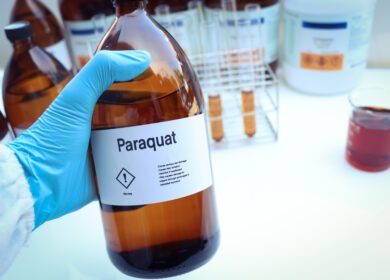
Australian researchers and agronomists are intensifying efforts to identify alternatives to the herbicide paraquat after the country’s pesticide regulator allowed its continued use under stricter conditions, highlighting the lack of commercially viable replacements for one of agriculture’s most widely used weed-control products.
The recent decision by the Australian Pesticides and Veterinary Medicines Authority (APVMA) was welcomed by many growers, who describe paraquat as an essential tool for managing glyphosate-resistant weeds in grain and forage crops. However, researchers say the ruling has also exposed Australia’s heavy dependence on imports from China, the world’s largest paraquat producer despite banning the herbicide’s domestic use nearly a decade ago over public health concerns.
Sarah Rogers, an associate professor at the University of Melbourne’s Asia Institute, said the decision should prompt broader discussions about reducing agriculture’s reliance on imported crop protection products. She warned that China’s herbicide industry is consolidating and that future production decisions could threaten Australia’s supply of paraquat, particularly as the country remains one of the few major markets where the product is still permitted.
Agronomists say the new restrictions could create immediate challenges for farmers, especially in the lucerne industry, where paraquat plays a key role in weed management. Scott Hutchings, a senior agronomist with Delta Ag in South Australia, said industry groups are already evaluating alternative strategies, but most new herbicide products are not expected to reach the commercial market for another four years, leaving growers with limited options in the interim.
Researchers also caution that replacing paraquat will not be straightforward. Adelaide University weed scientist Chris Preston said the herbicide has been central to the industry’s “double-knock” strategy, in which glyphosate is followed by paraquat to control herbicide-resistant weeds and delay the spread of glyphosate resistance. While alternatives such as sequential applications of glufosinate have shown promise in field trials, they are more expensive and more difficult to apply effectively than existing programs.
The issue is becoming increasingly important as glyphosate-resistant weed populations continue to expand across Australia’s grain-growing regions. Researchers say future weed management will likely require a combination of new herbicides, integrated farming practices, and non-chemical approaches rather than a direct replacement for paraquat alone.
Source: AgroPages

Enjoyed this story?
Every Monday, our subscribers get their hands on a digest of the most trending agriculture news. You can join them too!






Discussion0 comments