

How Nano-Yield is using nanotechnology to help farmers get more from every pound of fertilizer

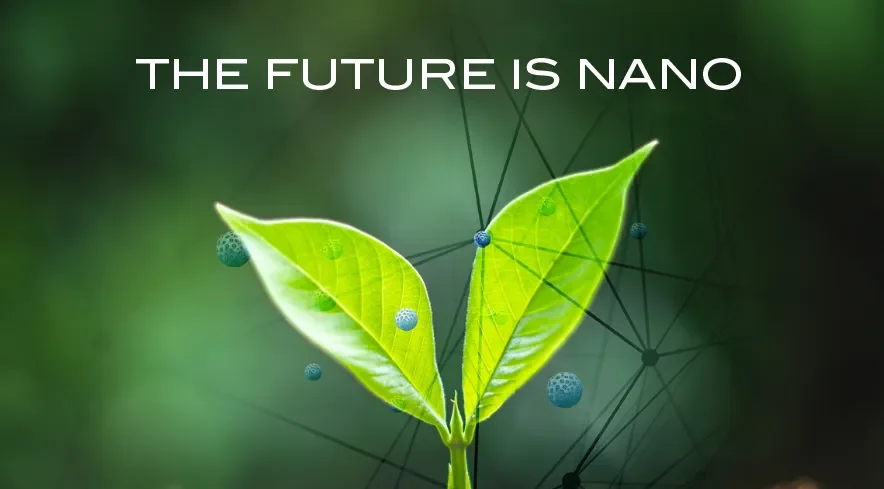

While nanotechnology has transformed industries such as medicine and electronics, its agricultural applications are only now gaining attention. Nano-Yield aims to address the longstanding challenge of improving crop fertilizer absorption through nanotechnology.
Nano-Yield has developed a nanoparticle-based delivery platform to enhance the uptake of existing fertilizers and crop protection products. The technology uses nanoparticles between 10 and 100 nanometers to transport nutrients into plant cells via endocytosis, complementing traditional absorption pathways. CEO Clark Bell emphasizes the goal is to help growers maximize the value of each nutrient application, not to replace fertilizers.
A new pathway for nutrient uptake
Conventional fertilizers rely on nutrient diffusion and active transport across plant cell membranes. Nano-Yield’s platform adds a new mechanism by loading nutrient ions onto engineered nanoparticles, which are carried into plant cells through endocytosis.
“The goal has never been to replace fertilizer,” Bell said. “We want plants to make better use of the nutrients already being applied.”
The company states its technology can be combined with existing fertilizers, biostimulants, and crop protection products without changes to equipment or practices. Products are compatible with standard in-furrow, foliar, side-dress, and other conventional fertilizer applications, enabling easy integration into current fertility programs.
Nano-Yield offers products such as NanoPro, NanoN, and NanoCote Core for row crops and other uses. The company reports its nanoparticle platform is compatible with both soil and foliar applications, enhancing nutrient delivery across methods.
Field trials show consistent yield improvements

Independent field performance is critical for adoption of new crop input technologies. Bell reports Nano-Yield has conducted hundreds of replicated trials across various crops, soil types, and environments.
Company data shows replicated trials have consistently increased yields by 6 to 15 bushels per acre in corn and soybeans, 4 to 7 bushels per acre in wheat, and about 21% in cotton. Bell notes growers often maintained yields with reduced fertilizer rates or achieved higher yields without increasing inputs.
“What gives me confidence isn’t one exceptional field trial,” Bell said. “It’s seeing similar results repeated over multiple years, across different crops, and under very different growing conditions.”
The company’s website provides field trial summaries for various crops and production systems, enabling growers to review performance under different agronomic conditions.
Improving fertilizer economics
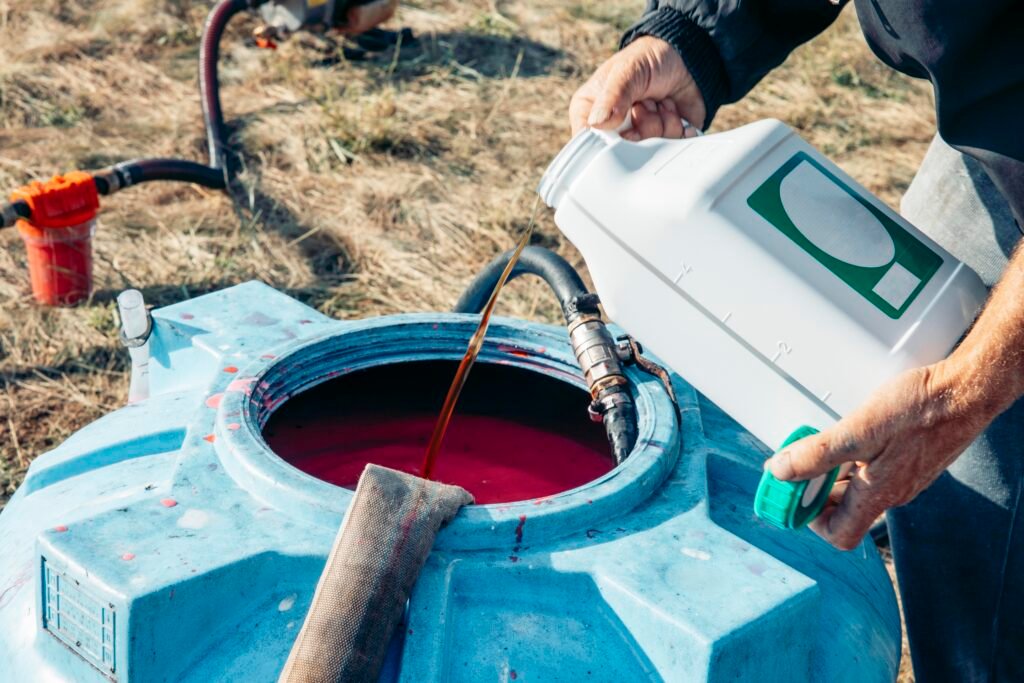
As fertilizer prices remain volatile globally, improving nutrient-use efficiency has become an increasingly important strategy for growers seeking to manage production costs.
Bell said even relatively small improvements in nutrient efficiency can produce meaningful economic returns because fertilizer remains one of the largest variable expenses in crop production.
Third-party evaluations include three years of replicated trials with Precision Planting, where adding NanoCote to standard urea applications produced an average return of USD 17.14 per acre in corn. Multi-year Beck’s Proven Farm Research trials reported an average return of USD 28.22 per acre using 19 ounces of NanoCote with 160 units of nitrogen.
Rather than promoting blanket fertilizer reductions, Bell emphasizes that nutrient management should continue to reflect local agronomic conditions.
“We’ve worked with growers who maintained yields while reducing fertilizer rates and others who increased yields without increasing fertilizer inputs,” he said.
Independent validation builds confidence
A major challenge for agricultural technologies is proving consistent performance beyond company-sponsored trials.
Bell said Nano-Yield invested heavily in independent validation through universities and third-party organizations early in the company’s development. He identified Precision Planting and Beck’s Proven Farm Research among the strongest external validation programs evaluating the technology.
Bell reports these independent studies consistently show improved nutrient-use efficiency and crop performance when Nano-Yield products are used in effective fertility programs. He maintains that third-party validation gives growers greater confidence, as results are measured under commercial farming conditions.
Growing beyond North America
Nano-Yield partners with family-owned seed dealers, independent retailers, small cooperatives, distributors, and mid-sized input manufacturers. While North America is its largest market, Bell says the company is expanding in South and Central America, where growers also face rising fertilizer costs and profitability pressures.
The company plans to expand its product portfolio, strengthen partnerships with fertilizer manufacturers and distributors, and continue investing in research to improve nutrient delivery technologies.
“Our focus is helping growers get more from the fertilizer they’re already using while fitting into the farming systems they’ve spent years refining,” Bell said.
As agriculture increasingly focuses on improving nutrient-use efficiency rather than simply increasing fertilizer application rates, technologies that enhance nutrient delivery may become an increasingly important component of precision crop nutrition. Nano-Yield’s approach reflects a broader trend toward maximizing the performance of existing agricultural inputs while helping growers improve both profitability and resource efficiency.

Enjoyed this story?
Every Monday, our subscribers get their hands on a digest of the most trending agriculture news. You can join them too!






Discussion0 comments