

Cover crops for weed suppression cut costs in Illinois pumpkins

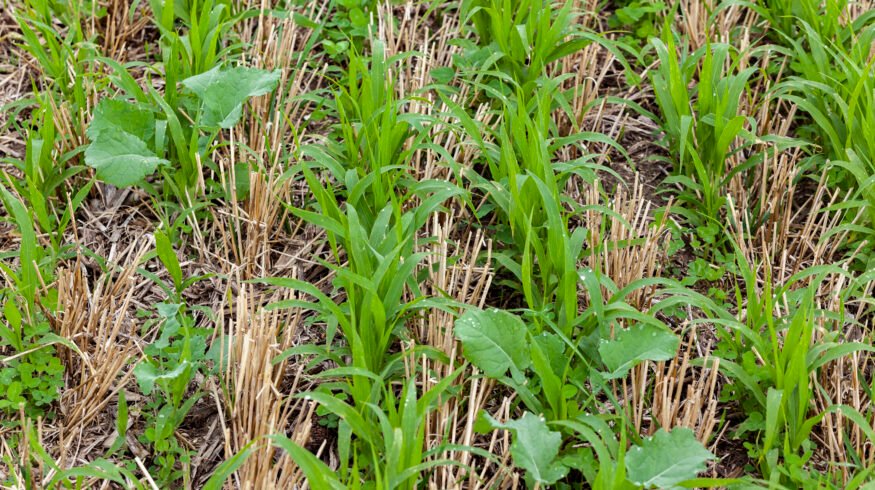

A cereal rye system on a northwestern Illinois farm shows how cover crops for weed suppression can cut hand-weeding and herbicide reliance while protecting soil, a grower account published by No-Till Farmer illustrates.
Over 13 years of growing pumpkins in a corn and soybean rotation, the operation replaced countless hours of hand-weeding with a heavy cereal rye cover crop. Rye was drilled in late October or early November at two perpendicular passes of 50 pounds per acre, then crimped in late spring to leave a uniform straw mat about an inch thick that suppressed weeds and kept fruit off the mud.
The account echoes on-farm results elsewhere, including a Nebraska grower who reported weed suppression and soil gains from interseeding cover crops. The pale straw reflected summer sun, cooled the soil and conserved moisture during dry spells when the water-hungry crop needed one to two inches a week, reducing the case for irrigation.
Weed control still relied on an integrated approach. The grower started with a clean field, kept good control in the preceding rotation crops, allowed long intervals between pumpkin plantings, grew dense rye stands and applied residual herbicides on the exposed planting strips. The takeaway for row-crop and specialty growers is that cover crops work best as one tool within a broader soil-health and weed-management system.
Source: No-Till Farmer
What to know about cover crops for weed suppression
A dense cover crop such as cereal rye, once terminated, leaves a thick residue mat that blocks light and physically smothers weed seedlings between rows, reducing the number of emerging weeds and the need for hand-weeding.
Rye produces high biomass, overwinters well and forms a durable straw mat when crimped. In this operation it was drilled in late fall at two perpendicular passes of 50 pounds per acre for full ground cover.
No. The grower still applied residual herbicides on the exposed planting strips and relied on clean fields and long rotations. Cover crops reduced but did not eliminate chemical weed control.
The reflective straw mat cooled the soil and conserved moisture during dry spells, kept fruit clean and off the mud, reduced disease and rot, and built soil structure that improved water retention.
Planting into thick residue requires aggressive row cleaners and down pressure, and seeds can be lost on top of the mat or eaten by wildlife if the drill is not set correctly. Timely termination and pre-emergence herbicide timing are critical.

Enjoyed this story?
Every Monday, our subscribers get their hands on a digest of the most trending agriculture news. You can join them too!






Discussion0 comments