Skip to content
  • Professionals
  • Gardeners
 
Search
Log in
EN
RU
  • Trade & Policy
  • Markets
  • AgTech & Research
  • Corporate
  • Sustainability
  • Interviews
  • Rankings
  • Events
  • Stock Quotes
  • Business Directory
Trending topic:

El Niño

Featured company:
 
RU
  • Professionals
  • Gardeners
Sections
    Events
    Stock Quotes
    Business Directory
    Trending topic:

    El Niño

    Featured company:
    Follow us...
    Helpful information
    • About
    • Team
    • Advertise
    • Contacts
    • Submit a Tip
    • Privacy Policy
    • Terms of Service
    • Site Map
    Sections
      Seasonal tips
      • Spring
      • Summer
      • Autumn
      • Winter
      Trending topics
      • compost
        25
      • garlic
        2
      • lemon
        1
      • potato
        16
      Follow us...
      Helpful information
      • About
      • Team
      • Advertise
      • Contacts
      • Submit a Tip
      • Privacy Policy
      • Terms of Service
      • Site Map
      Copyright © 2014-2026 DigitalTree LLC. All rights reserved.
      We deliver content lightning-fast thanks to the managed cloud WordPress hosting with CDN.
      16+

      Home / AgTech & Research

      Low-temperature plasma converts air to ammonia using electricity, advancing beyond Haber-Bosch

      Timothy Bueno avatar Timothy Bueno
      July 21, 2026, 12:00 pm
      July 21, 2026, 12:00 pm
      [esi post-views ttl=0]
      AgTech & Research
      Green & Low-Carbon
      Sustainability
      Low-temperature plasma converts air to ammonia using electricity, advancing beyond Haber-Bosch
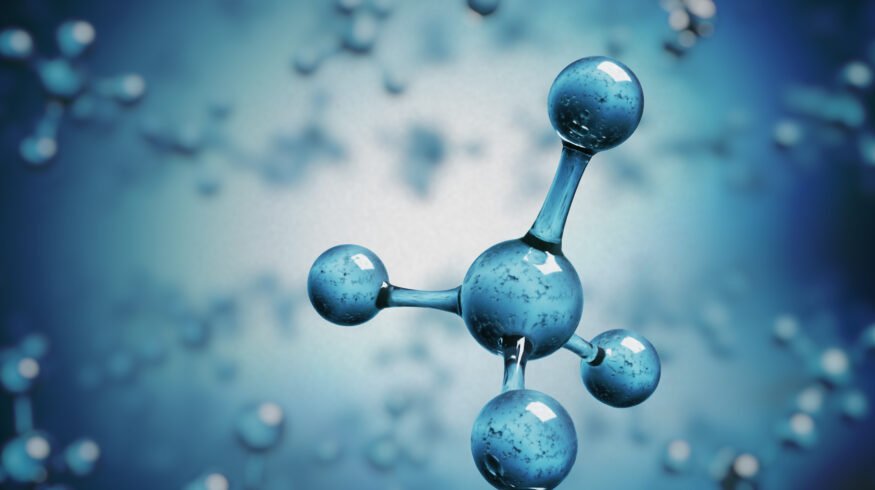
      Image Credits: iStock Photo
      Save for later
      Share
      Never miss important fertilizer news

      Researchers at Nagoya University and Kyushu University have published a comprehensive review of plasma agriculture, a field that uses controlled electrical discharges to convert atmospheric nitrogen into ammonia, nitrites, and nitrates in plasma-activated water — without the high-temperature, high-pressure conditions and fossil fuel inputs that define the dominant Haber-Bosch process.

      The review, authored by Pankaj Attri, Kenji Ishikawa, and Kazunori Koga of Nagoya University’s Center for Low-temperature Plasma Sciences, was published in the Journal of Advanced Research on July 15. It synthesizes data from more than 30 crop species across hundreds of reported studies.

      What low-temperature plasma agriculture nitrogen fixation does

      Conventional nitrogen fertilizer production relies overwhelmingly on the Haber-Bosch process, which combines atmospheric nitrogen and hydrogen at high temperature and pressure in the presence of an iron catalyst to produce ammonia. Natural gas provides both the feedstock hydrogen and most of the process energy. This dependence ties nitrogen fertilizer costs closely to natural gas prices, creating the kind of supply and cost volatility that characterized the 2022 European gas crisis and the 2026 Hormuz-related fertilizer price spike.

      Low-temperature plasma offers a different pathway. When an electrical discharge passes through air, it breaks the exceptionally stable triple bond in nitrogen molecules, creating reactive nitrogen species — including ammonia, nitrites, and nitrates — in the surrounding medium. Applied to water, this process produces plasma-activated water: a liquid solution carrying plant-usable nitrogen compounds at concentrations relevant for crop nutrition.

      ADVERTISEMENT

      Beyond nitrogen fixation, plasma treatment affects plant biology directly. The reactive oxygen and nitrogen species generated in plasma-activated water or by direct plasma exposure interact with seed surfaces and plant tissues in ways that alter germination rates, root development, and stress responses. The review by Attri, Ishikawa, and Koga compiles the mechanistic and agronomic literature on these effects.

      Results across crop species

      In more than two-thirds of the studies reviewed, tuned plasma treatments boosted seed vigor or final yield across the crop species examined. The 30-plus species include cereals such as wheat, corn, and rice; legumes; and specialty crops. The remaining studies reported neutral effects or reductions in yield, typically attributable to plasma doses that were not properly calibrated for the species or growth conditions involved.

      Professor Kenji Ishikawa described the technology’s positioning to Nagoya University media, characterizing low-temperature plasma as an alternative to genetically modified crops for enhancing resilience and yield. Unlike genetic modification, which requires regulatory approval and carries market acceptance challenges, plasma treatment is a physical process applied externally.

      The review also documents plasma’s capacity to trigger systemic effects in plants that go beyond seed treatment, including altered root growth and enhanced uptake efficiency of soil nutrients.

      Path to field deployment

      The review is explicit that the transition from laboratory-scale plasma systems to farm-level deployment requires deeper understanding of the physical and biochemical mechanisms through which plasma acts. Three barriers stand out in the literature surveyed.

      First, plasma dosing is highly sensitive to species, growth stage, and application timing. The dose-response relationship is non-linear: treatments that stimulate germination at one exposure level can inhibit growth or damage seed tissue at higher levels. Field conditions — variability in moisture, temperature, seed lot quality, and equipment — make dose reproducibility far more difficult than in controlled greenhouse environments.

      Second, the nitrogen concentrations achievable in plasma-activated water at current energy efficiencies remain substantially below those delivered by conventional nitrogen fertilizers per unit application. Scaling up plasma-activated water nitrogen to volumes relevant for large-scale crop production would require significant advances in electrolyzer design and plasma reactor efficiency.

      Third, while the fundamental physics of plasma nitrogen fixation has been studied since the early twentieth century, the biological pathways through which plasma-reactive species interact with plant cells, soil microbiota, and the rhizosphere are not yet fully characterized. The review identifies this mechanistic gap as a priority for future research.

      Relevance for the fertilizer industry

      Plasma agriculture is not a near-term commercial substitute for synthesized nitrogen fertilizers at the scale of global crop production. The researchers themselves position their review as a map of the current state of knowledge rather than a demonstration of commercial readiness.

      The technology is, however, well-suited to two near-term applications where it could develop more rapidly: high-value horticulture, where energy and equipment costs are easier to absorb per unit of product, and distributed or off-grid farming contexts, where the ability to fix nitrogen using renewable electricity without centralized ammonia infrastructure represents a logistical advantage.

      The Nagoya review arrives at a moment when sustained high nitrogen fertilizer prices, Middle East supply disruptions, and European decarbonization mandates are accelerating interest in alternatives to fossil-fuel-dependent nitrogen production. Plasma agriculture, alongside biological nitrogen fixation approaches using engineered bacteria and CRISPR-modified crops, is one element of a broader portfolio of technologies aiming to reduce that dependence.

      Source: Phys.org / Nagoya University

      agriscience
      ammonia
      crop nutrition
      decarbonization
      nitrogen
      nitrogen fixation
      plasma
      research
      sustainable agriculture

      Enjoyed this story?

      Every Monday, our subscribers get their hands on a digest of the most trending agriculture news. You can join them too!

      Sign me up
      Check the example

      Discussion0 comments

      Спасибо за комментарий, он будет опубликован на сайте после проверки модератором. Хотите, чтобы ваши комментарии появлялись на сайте мгновенно? Достаточно пройти регистрацию.
      Congratulations, you can be the first to start the conversation.
      Do you have a question or suggestion? Please leave your comment to ignite conversation.
      What’s on your mind?
      Cancel Log in and comment
      Or continue without registration
      Get notified about new comments by email.
      Advertisement
      In focus
      How to get here?
      Stock quotes
      Bayer
      13.42
      2.4
      Bayer Crop Science
      47.31
      2.37
      CF Industries
      123.57
      1.77
      Corteva Agriscience
      86.78
      0.6
      ICL Group
      5
      0.99
      Intrepid Potash
      33.96
      0.7
      Mosaic
      22.41
      1.27
      Nutrien
      66.66
      0.92
      Yara International
      23.15
      1.11
      See all
      Most read
      FTC confirms it is also investigating Syngenta and Corteva for anticompetitive pesticide distribution
      FTC confirms it is also investigating Syngenta and Corteva for anticompetitive pesticide distribution
      StoneX anticipates further declines in urea prices before fall demand drives a recovery
      StoneX anticipates further declines in urea prices before fall demand drives a recovery
      World Bank warns fertilizer prices could surge more than 30% in 2026 if Hormuz disruption persists
      World Bank warns fertilizer prices could surge more than 30% in 2026 if Hormuz disruption persists
      Mosaic cuts phosphate output at four U.S. plants as critical sulfur shortage bites
      Mosaic cuts phosphate output at four U.S. plants as critical sulfur shortage bites
      India locks in 670,000t of green ammonia annually for fertilizer plants at half the global benchmark price
      India locks in 670,000t of green ammonia annually for fertilizer plants at half the global benchmark price
      Events
      Southwestern Fertilizer Conference
      New Orleans (LA), USA
      Jul 12 — 16, 2026
      AgriBusiness Global Trade Summit
      Las Vegas (NV), USA
      Aug 5 — 6, 2026
      Agronomy Conference and Expo
      Indianapolis (IN), USA
      Aug 24 — 26, 2026
      Farm Progress Show
      Boone (IA), USA
      Sep 1 — 3, 2026
      Fertilizer Canada Annual Conference
      Charlottetown, Canada
      Sep 14 — 16, 2026
      See all
      Live
      Stefan Petko
      May 6, 06:48 pm
      It is alarming to see these developments in California. As a vineyard grower, I have faced significant challenges this year, with fertilizer costs rising sharply while market conditions have made it difficult to sell the harvest.
      California peach growers forced to remove 420,000 trees after bankruptcy of Del Monte Foods canneries
      Estebel
      April 23, 10:26 pm
      Sounds like magic ))
      MIT study: rice seeds germinate faster when exposed to rainfall sounds
      Isabelita Barreiro
      December 11, 2025, 01:54 am
      Excellent management of water resources and effective use of water-soluble fertilizers!
      Argentine nano-fertilizer firm AKO Agro expands to Brazil
      Meripa Corson
      August 4, 2025, 01:18 pm
      Where does the money actually go? As a timber land owner, how do I benefit from the legislation?
      USDA commits $80 million to expand timber markets and improve forest resilience
      Patonkas Luksompulus
      January 21, 2025, 12:36 pm
      Greece meeds biological fertilizers! Great news about De sangosse.
      DE SANGOSSE expands operations with Greek subsidiary
      About
      Sections
      Trade & Policy  ·  Markets  ·  AgTech & Research  ·  Corporate  ·  Sustainability  ·  Interviews  ·  Rankings
      Support
      About  ·  Team  ·  Advertise  ·  Contacts  ·  Submit a Tip  ·  Privacy Policy  ·  Terms of Service  ·  Site Map
      Copyright © 2014-2026 DigitalTree LLC. All rights reserved.
      We deliver content lightning-fast thanks to the managed cloud WordPress hosting with CDN.
      16+
      More to read
      Faraday Earth targets $500-per-ton green ammonia with plasma technology after AgFunder investment
      Faraday Earth targets $500-per-ton green ammonia with plasma technology after AgFunder investment
      Nitrogen-fixing genes transferred into new bacterial strains, advancing quest to reduce fertilizer dependence
      Nitrogen-fixing genes transferred into new bacterial strains, advancing quest to reduce fertilizer dependence
      Japanese researchers unveil plasma-powered disinfection for hydroponic plants
      Japanese researchers unveil plasma-powered disinfection for hydroponic plants
      Advertising that helps us do quality reporting