

Excess fertilizer quietly undermines the soil microbes that crops depend on

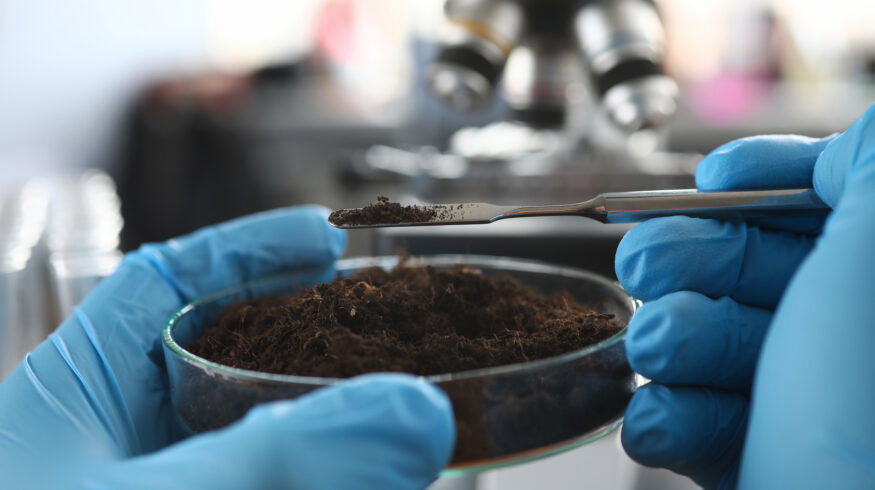

Synthetic fertilizers have driven most of the yield gains that underpin modern food production, but overapplication carries a hidden cost: a gradual weakening of the underground microbial communities that help plants access nutrients, tolerate drought, resist disease, and build soil organic matter.
A review published July 8 by researchers at the University of Florida synthesizes the mechanistic and agronomic literature on how excess nitrogen and phosphorus fertilizer disrupts beneficial soil microorganisms, including arbuscular mycorrhizal fungi and plant growth-promoting rhizobacteria that colonize crop roots. The work, distributed through The Conversation, argues that as input prices rise and farmer margins tighten, reducing fertilizer application to precision-optimal rather than excess levels could deliver yield-neutral or yield-positive outcomes while restoring microbial partnerships that make future applications more efficient.
The review documents two primary pathways through which excess fertilizer reduces soil microbial diversity and function. First, adding surplus nutrients reduces the carbon that plants send below ground via root exudates — the sugars and organic acids that feed mycorrhizal fungi and rhizobacteria. Without adequate carbon flow, some fungal species decline or are replaced by microbial communities that contribute less to plant health. Second, high phosphorus and nitrogen concentrations in soil directly disrupt the chemical signaling that establishes the root-microbe symbiosis: plants stop signaling for microbial partnerships when nutrients are already abundant, and mycorrhizal colonization drops.
The practical cost is measurable. Meta-analyses cited in the review find that adding arbuscular mycorrhizal fungi to plant roots can increase total plant biomass by close to 50%, nitrogen absorption by around two-thirds, and phosphorus uptake by more than double. Under drought conditions, plants with intact mycorrhizal networks showed nearly 50% higher growth than those without. These are not additional gains on top of normal fertilizer application — they represent the baseline ecological function that excess fertilizer suppresses.
The review concludes that plants including corn, soybeans, wheat, and tomatoes all form these mycorrhizal partnerships naturally in healthy soils, and that restoring microbial communities through precision fertilization, cover cropping, and reduced tillage allows the underground network to enhance the efficiency of whatever nitrogen and phosphorus is applied. With U.S. retail urea averaging $714 per ton in early July and anhydrous ammonia still above $1,000 per ton, the economic case for reducing waste through better microbiome stewardship has rarely been stronger.
Source: Phys.org / The Conversation

Enjoyed this story?
Every Monday, our subscribers get their hands on a digest of the most trending agriculture news. You can join them too!







Discussion0 comments