

UN data reveals Hormuz disruption slashed urea exports 83% and total trade volumes 54%



The International Trade Centre published an analysis on August 4 quantifying the damage from the Strait of Hormuz disruption, finding that urea fertilizer exports from Hormuz-dependent economies dropped 83% by volume in April 2026 compared with April 2025. Combined merchandise export volumes across 12 strategically important products fell 54%, with liquefied natural gas recording the steepest contraction at 95%.
The ITC analysis, issued jointly with the WTO and UNCTAD, focused on Bahrain, Iran, Iraq, Kuwait, Qatar, Saudi Arabia and the United Arab Emirates. In value terms, total exports from these economies declined 21%, though the agency noted that commodity price spikes triggered by the disruption itself inflate value figures and distort the true picture of physical trade losses.
Alternative suppliers stepped in for some commodities. Exporters outside the Gulf region increased shipments for 10 of the 12 products analyzed. However, these gains fully offset the Hormuz shortfall only for ammonia and polypropylene, suggesting that trade diversion is underway but has not yet replaced disrupted supply for most products, including urea.
Some importing markets were hit harder than others. Japan, which historically sourced 91% of its crude oil from Hormuz-dependent economies, saw total imports drop 64%. The ITC warned that climbing fertilizer prices could hamper agricultural output and raise food costs, particularly in vulnerable nations dependent on imported nutrients.
The Persian Gulf accounts for roughly 43% of seaborne urea exports, 44% of seaborne sulfur trade and more than a quarter of global ammonia exports, according to NDSU research. Although a ceasefire in June briefly eased shipping conditions, renewed clashes in July have reignited disruption concerns.
The ITC cautioned that even if hostilities subside, restoring full commercial shipping could take months as insurers reassess war-risk coverage and port scheduling returns to normal.
Source: UN News
Key facts about the Hormuz fertilizer trade disruption
The Strait carries roughly 43% of globally traded urea, 44% of seaborne sulfur and more than 25% of global ammonia exports, according to NDSU Agricultural Trade Monitor data. Gulf Cooperation Council members including Saudi Arabia, Qatar and Oman supply about a quarter of all urea exports worldwide.
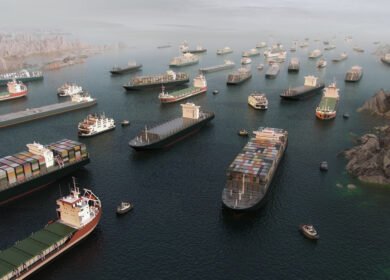
Military escalation between the United States, Israel and Iran in late February 2026 effectively halted commercial shipping through the Strait. Daily vessel transits dropped from an average of 103 ships in the last week of February to single digits within weeks. A ceasefire in June partially reopened flows, but renewed clashes in July have kept traffic well below normal levels.
Partially. The ITC found that alternative suppliers increased shipments for 10 of the 12 strategic products analyzed, but fully offset the Hormuz shortfall only for ammonia and polypropylene. For urea, sulfur and crude oil, replacement volumes remain insufficient. Some importing markets have drawn on inventories, strategic reserves or domestic production to bridge the gap.
Japan, which historically sourced 91% of its crude petroleum from Hormuz-dependent economies, recorded a 64% decline in total imports. South Korea and Malaysia, also heavily dependent on Gulf energy and fertilizer shipments, face similar exposure. Low-income countries that rely on imported fertilizer for food production are particularly vulnerable to the resulting price increases.
Full recovery remains uncertain. The ITC cautioned that even if hostilities subside, restoring commercial shipping could take months as insurers reassess war-risk coverage. The Fertilizer Institute reported in late June that 70% of sulfur cargoes trapped behind the Strait had transited, but renewed tensions in July disrupted progress. Market analysts expect elevated fertilizer prices to persist into at least early 2027.

Enjoyed this story?
Every Monday, our subscribers get their hands on a digest of the most trending agriculture news. You can join them too!






Discussion0 comments