

U.S.-Iran interim deal collapses, renewing critical threat to Hormuz shipments

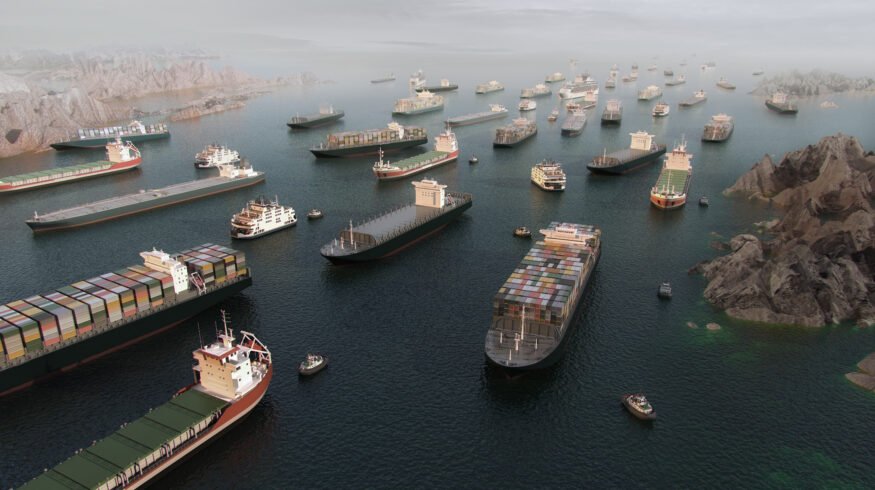

The United States and Iran declared their June interim deal effectively dead on July 8 after overnight military exchanges in the Mideast Gulf, reviving the threat of a full closure of the Strait of Hormuz, a route that carries the bulk of the sulfur feeding global phosphate production.
“As far as I’m concerned, it’s over,” President Donald Trump said of the memorandum of understanding he signed with Iran on June 18, speaking on the sidelines of a NATO summit in Ankara, Turkey. Trump said he would order the Pentagon to carry out another round of strikes against Iran and that he may reimpose a naval blockade on Iranian trade.
Iranian state media said Tehran will fully close navigation through the Strait of Hormuz and respond strongly to further U.S. attacks. The U.S. military struck Iranian defense targets late on July 7 following Iranian attacks on vessels in the strait’s southern corridor, and Iran’s Revolutionary Guard said it retaliated with drone and missile strikes on U.S. installations in Bahrain and Kuwait.
The June 18 deal had called for a 60-day ceasefire and a gradual reopening of the strait to commercial shipping, with limited sanctions relief for Iran. The U.S. on July 7 also revoked its authorization for purchases of Iranian crude, refined products and petrochemicals. The renewed conflict sent crude prices sharply higher, with August Nymex WTI up about 7% to $75.30 a barrel.
The Gulf normally supplies roughly half of global seaborne sulfur, the key feedstock for phosphoric acid and DAP production. Mosaic has already flagged the Hormuz disruption as a driver of higher sulfur and ammonia costs, and renewed hostilities threaten to extend the supply squeeze that has already pushed Kuwaiti and Qatari sulfur prices to record levels.
Source: Argus Media
Five questions on the Strait of Hormuz crisis and fertilizer supply
The Gulf region supplies roughly half of the world’s seaborne sulfur, a byproduct of oil refining that is the key feedstock for phosphoric acid and DAP/MAP fertilizer production. Disruption to Hormuz shipping directly tightens sulfur and ammonia supply worldwide.
The memorandum of understanding called for a 60-day ceasefire, a gradual reopening of the Strait of Hormuz to commercial shipping, and limited U.S. sanctions relief for Iran, with a deadline of August 21 to finalize a broader peace agreement.
Iranian forces attacked vessels traveling the strait’s southern corridor, prompting U.S. strikes on Iranian defense targets on July 7. Iran’s Revolutionary Guard said it retaliated with drone and missile attacks on U.S. installations in Bahrain and Kuwait.
Mosaic has curtailed phosphate output at several U.S. and Brazilian plants citing sulfur shortages, while Kuwait’s KPC and QatarEnergy have both raised sulfur prices to record levels amid the disrupted Gulf shipping.
Trump has kept the door open to continued talks despite declaring the current deal over. Markets will watch for further U.S. strikes, an Iranian response on Hormuz navigation, and their knock-on effects on sulfur and ammonia costs.

Enjoyed this story?
Every Monday, our subscribers get their hands on a digest of the most trending agriculture news. You can join them too!






Discussion0 comments