

OPTIMA Rice phase 2: BASF and IRRI target soil carbon and biochar after key methane gains

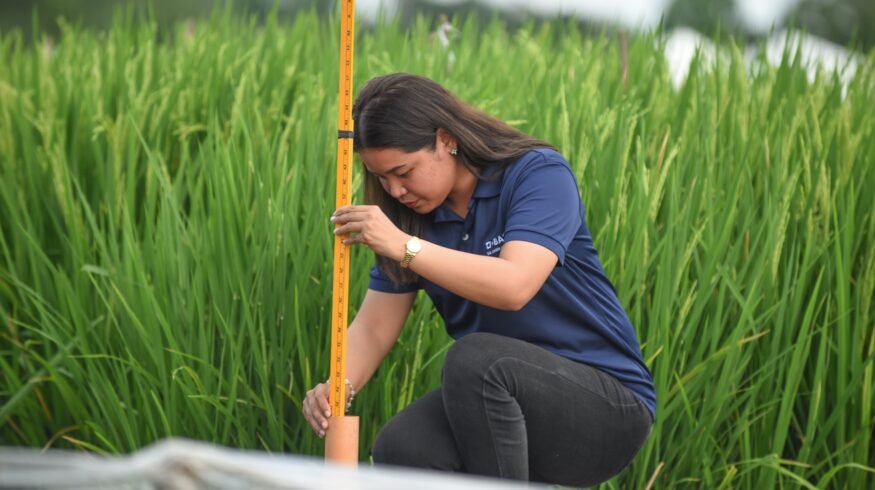

BASF Agricultural Solutions and the International Rice Research Institute (IRRI) have extended OPTIMA Rice, their joint program on low-emission rice farming, into a second phase focused on soil health, according to a BASF release issued in early September.
OPTIMA Rice, short for Optimizing Management for Reduction of Greenhouse Gases in Rice, launched in 2024 with field trials in Laguna, the Philippines. The first phase showed that alternate wetting and drying (AWD) combined with direct-seeded rice cut methane emissions and irrigation water use without reducing yields, according to the partners. Improved straw management provided a further lever to curb emissions.
Phase two moves below ground. The partners will study how changes in water management affect soil carbon and nitrogen over time, testing whether methane-cutting practices also maintain soil fertility and productivity. They will also evaluate biochar as a way to store carbon while improving soil fertility and structure.
Marko Grozdanovic, senior vice president for global strategic marketing and sustainability at BASF Agricultural Solutions, said climate-smart rice systems must work on the farm, not just on paper.
For nitrogen suppliers, the nitrogen-dynamics work matters most. Intermittent flooding alters how applied nitrogen cycles through paddy soils, which could reshape fertilizer timing and product choice as AWD scales up. The findings are meant to be transferable to other rice producers, including India, China, Italy and Brazil. The research also adds to growing efforts on nutrient efficiency, such as the FFAR’s $9.3 million in fertilizer efficiency grants.

Enjoyed this story?
Every Monday, our subscribers get their hands on a digest of the most trending agriculture news. You can join them too!





Discussion0 comments