

PFAS levels vary in farm soils treated with biosolids

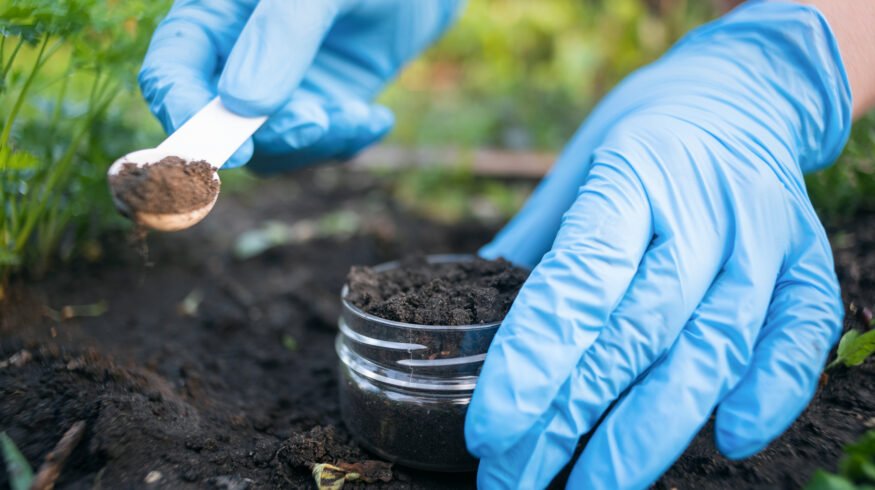

PFAS, the long-lived “forever chemicals,” were found in farm soils treated with biosolids on nine of 10 Pennsylvania farms studied, according to research presented by Diana Oviedo-Vargas of the Stroud Water Research Center.
Oviedo-Vargas measured PFAS from 2021 to 2023 on farms that applied biosolids in counties including Adams, Bedford, Berks, Chester and Lancaster. She sampled surface and subsurface soil on each farm and compared the results with control fields that had not received biosolids. Control fields showed no PFAS on eight farms and small amounts on two. Amounts and types varied widely, and the length of time and rates of application also differed between farms.
The level of contamination depends on where the biosolids come from, Oviedo-Vargas said. Long-chain PFAS tend to bind to soil organic matter and persist for years or longer. Short-chain compounds move more easily into surface and groundwater. She also detected several PFAS compounds in streams draining biosolids-amended fields on two of the farms.
The Pennsylvania Department of Environmental Protection has proposed two permit updates this year. Under the proposals, wastewater facilities that produce biosolids for land application would have to monitor PFOS and PFOA, two PFAS linked to health problems including cancer.
The PFAS findings sit alongside a broader debate over nutrient recycling, including a meta-analysis that found fertilizers recovered from human waste can match conventional products on crop performance.
Source: Lancaster Farming

Enjoyed this story?
Every Monday, our subscribers get their hands on a digest of the most trending agriculture news. You can join them too!








Discussion0 comments