

Enhanced Rock Weathering wins record $34M loan as Terradot targets 60,000 ha

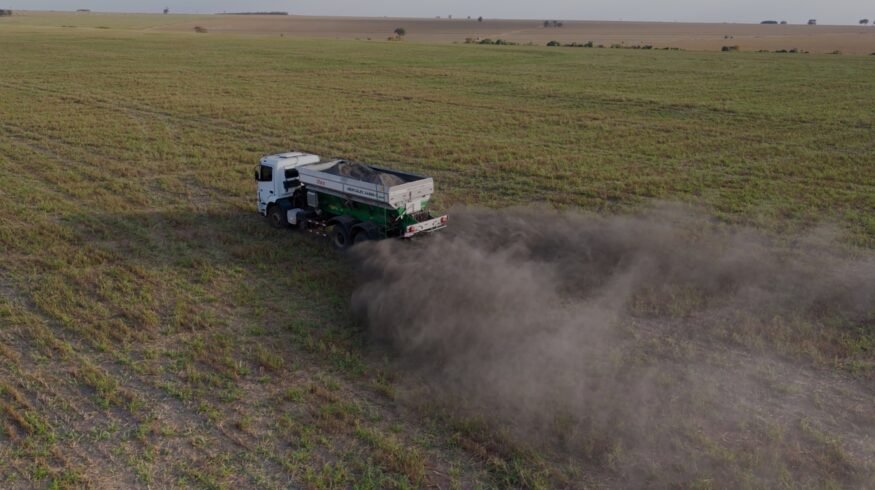

Carbon removal company Terradot has closed a $34M senior secured term loan from HA Sustainable Infrastructure Capital (HASI) to fund enhanced rock weathering projects in the United States and Brazil, the companies said on October 27. They described it as the largest disclosed debt financing for the sector.
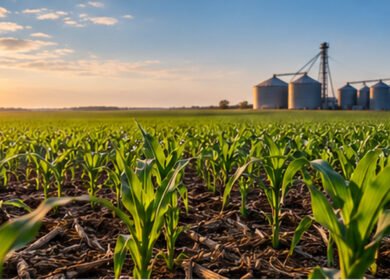
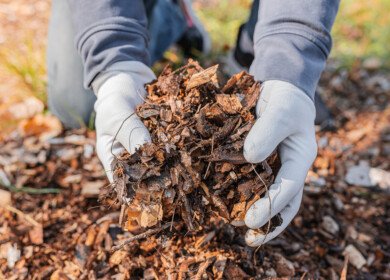
Enhanced rock weathering (ERW) spreads finely crushed rock, such as basalt, on farmland, where it reacts with carbon dioxide and stores it for thousands of years. Terradot plans to spread 1 million tonnes of rock across 60,000 hectares of farmland in the two countries during 2026 and 2027.
The loan is backed by fixed-price, multiyear offtake agreements with Frontier, a carbon removal buying coalition that includes Google, Salesforce, JPMorgan, Shopify and Stripe. Carbon delivery insurance from CFC, arranged through Marsh, also supports the deal.
“Lenders only back what they can predict,” said Julia Sekula, Terradot’s co-founder and CFO. She said contracted demand and years of field data allowed the company to bound risks and forecast delivery.
The deal marks a shift for ERW from venture and pre-purchase funding toward project debt, the financing model that scaled solar and wind. For farmers and input suppliers, ERW can also act as a soil amendment, though agronomic benefits vary by rock type, soil and climate. Terradot says its approach improves soil health for growers.
Fertilizer Daily has tracked other soil-based climate research, including work on cutting nitrous oxide emissions through reduced tillage.
Terradot: five things to know
Terradot was founded in 2022 by Stanford scientists and entrepreneurs, including Stanford professor Scott Fendorf, who leads its science team. It has raised $58M in equity from investors including Google, Microsoft, Gigascale Capital, Valor Capital and Acre Venture Partners.
Terradot has issued credits certified by Isometric under its Enhanced Weathering in Agriculture protocol, and Puro-certified credits from its U.S. operations. Measuring how much CO2 the rock actually captures in the field remains the main technical challenge for the sector.
Terradot acquired its U.S. competitor Eion in 2026, adding U.S. field operations to its earlier base in Brazil, where tropical heat and humidity can speed up weathering.
In September 2026, Terradot and Google announced an enhanced rock weathering project in southern Brazil that pairs methane reduction in flooded rice paddies with carbon removal across more than 200,000 hectares. Google agreed to buy 1 million tonnes of near-term methane impact by 2030 and 1 million tonnes of carbon removal impact by 2040.
Terradot aims to remove 1 million tonnes of CO2 a year by 2035. The loan terms, including interest rate and maturity, were not disclosed.

Enjoyed this story?
Every Monday, our subscribers get their hands on a digest of the most trending agriculture news. You can join them too!



Discussion0 comments