Skip to content
  • Professionals
  • Gardeners
 
Search
Log in
EN
RU
  • Markets
  • Business
  • Politics
  • Technologies
  • Interviews
  • Rankings
  • Environment
  • Events
  • Stock Quotes
  • Business Directory
Trending topic:
Featured company:
 
RU
  • Professionals
  • Gardeners
Sections
Events
Stock Quotes
Business Directory
Trending topic:
Featured company:
Follow us...
Helpful information
  • About
  • Team
  • Advertise
  • Contacts
  • Submit a Tip
  • Privacy Policy
  • Terms of Service
Sections
Seasonal tips
  • Spring
  • Summer
  • Autumn
  • Winter
Trending topics
  • compost
    22
  • garlic
    2
  • lemon
    1
  • potato
    12
Follow us...
Helpful information
  • About
  • Team
  • Advertise
  • Contacts
  • Submit a Tip
  • Privacy Policy
  • Terms of Service
Copyright © 2014-2025 DigitalTree LLC. All rights reserved.
We deliver content lightning-fast thanks to the managed cloud WordPress hosting with CDN.
16+

Home / Business

U.S. tariffs on key trade partners stir concerns in agriculture

Elena Shalashnik avatar Elena Shalashnik
February 4, 2025, 10:00 am
124
Business
Markets
Politics
U.S. tariffs on key trade partners stir concerns in agriculture
Save for later
Share

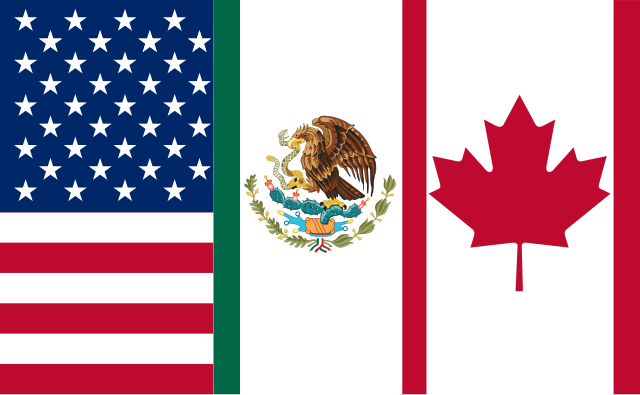
The U.S. agricultural sector is facing renewed uncertainty following the announcement of import tariffs on key trading partners. With Mexico, Canada, and China collectively purchasing half of all American agricultural exports, industry leaders have raised concerns about the potential consequences of these measures.

Tariff Implications for Farmers

Farmers are already struggling with record-high input costs, declining crop prices, and global oversupply. The addition of tariffs threatens to worsen these challenges by increasing costs for essential farm inputs like Canadian potash and Chinese chemicals.

Bob Hemesath, a northeast Iowa farmer and president of Farmers for Free Trade, expressed concern about the impact on demand. “Mexico is our top buyer of corn, and we sell ethanol to Canada. Many producers are already hurting, and these tariffs could further reduce market access,” he said.

Retaliatory tariffs from trade partners could put U.S. farmers at a disadvantage, opening opportunities for South American competitors to capture market share. The United States-Mexico-Canada Agreement (USMCA), which has significantly increased U.S. ag exports over the years, could also be jeopardized.

ADVERTISEMENT

Specific Agricultural Sectors at Risk

The impact of tariffs will not be evenly distributed across the agricultural sector, with certain crops, livestock, and agribusiness segments facing greater challenges:

  • Avocados and Tomatoes: Mexico is a primary supplier of these commodities to the U.S. The 25% tariff on Mexican imports is expected to increase costs, potentially leading to higher prices for consumers and reduced demand for producers.
  • Pork: The U.S. exports a substantial amount of pork to Mexico, and retaliatory tariffs may make American pork less competitive compared to international counterparts.
  • Fertilizers: Canada is a significant exporter of potash, a key component in fertilizers. The 25% tariff on Canadian imports could increase input costs for U.S. farmers, affecting crop production expenses.
  • Farm Equipment: Many agricultural machinery components are sourced from China. The 10% tariff on Chinese imports may lead to increased costs for equipment manufacturers, which could be passed on to farmers.

National Farmers Union President Rob Larew emphasized the risks for an already volatile market. “Past trade disputes have led to significant losses. Before taking further action, the administration needs a clear plan to protect farmers,” he stated.

The Fertilizer Institute’s President and CEO Corey Rosenbusch called for exemptions on Canadian potash, a critical fertilizer ingredient, warning that disruptions could ripple through the food supply chain and drive up consumer prices.

Temporary Tariff Pause

In a late development, Mexico and Canada reached agreements with the U.S. administration, delaying the 25% tariffs originally set for February 4. Mexican President Claudia Sheinbaum postponed tariffs in exchange for increased border security measures, while Canadian Prime Minister Justin Trudeau negotiated a temporary halt. However, tariffs on Chinese imports remain scheduled to take effect.

American Farm Bureau President Zippy Duvall welcomed the pause but remained cautious about long-term impacts. “Tariffs and retaliatory measures often hit farmers hardest, making it more difficult for them to sustain operations. We appreciate efforts to resolve these disputes and keep markets open.”

While the situation remains fluid, agricultural leaders continue to stress the need for stable trade policies that protect American farmers and ensure market access for exports.

agricultural imports
Canada
China
farmers for free trade
Mexico
tariffs
trade policy

Enjoyed this story?

Every Monday, our subscribers get their hands on a digest of the most trending agriculture news. You can join them too!

Sign me up
Check the example

Discussion0 comments

Спасибо за комментарий, он будет опубликован на сайте после проверки модератором. Хотите, чтобы ваши комментарии появлялись на сайте мгновенно? Достаточно пройти регистрацию.
Congratulations, you can be the first to start the conversation.
Do you have a question or suggestion? Please leave your comment to ignite conversation.
What’s on your mind?
Cancel Log in and comment
Or continue without registration
Get notified about new comments by email.
Advertisement
In focus
How to get here?
Stock quotes
Bayer
8
2.32
Bayer Crop Science
27.95
1.62
CF Industries
80.69
5.12
Corteva Agriscience
63.88
3.21
ICL Group
5.41
0.92
Intrepid Potash
24.96
4.73
Mosaic
24.52
5.87
Nutrien
56.99
4.01
Yara International
18.4
2.65
See all
Most read
Bowery Farming’s $70M Georgia vertical farm heads to liquidation as startup’s collapse triggers nationwide sell-offs
California vineyard growers abandon their harvests as prices and costs turn them unprofitable
Alltech begins construction of $4.6 million biofertilizer plant in Kentucky
Washington Supreme Court reinstates $185 million verdict against Monsanto over PCB contamination
Sumitomo Chemical to merge Valent BioSciences, MGK and Valent North America into new global biorational business
Events
Fluid Fertilizer Workshop
Dinuba (CA), USA
Nov 18, 2025
YugAgro
Krasnodar, Russia
Nov 18 — 21, 2025
CEAg World Conference and Expo
Durham (NC), USA
Nov 19 — 21, 2025
Syngas Nitrogen Uzbekistan and CIS
Tashkent, Uzbekistan
Nov 19 — 21, 2025
Argus Clean Ammonia Europe
Rotterdam, Netherlands
Dec 2 — 4, 2025
See all
Live
Meripa Corson
August 4, 01:18 pm
Where does the money actually go? As a timber land owner, how do I benefit from the legislation?
USDA commits $80 million to expand timber markets and improve forest resilience
Patonkas Luksompulus
January 21, 12:36 pm
Greece meeds biological fertilizers! Great news about De sangosse.
DE SANGOSSE expands operations with Greek subsidiary
Pedro Diaz
November 20, 2024, 08:42 pm
Is it a Roundup lawsuit or more about bad financials? I think the market reacted only to announced financial results.
Bayer’s shares are pressed down by ongoing Roundup cancer lawsuit
Johan Fredin
August 22, 2024, 07:57 pm
Europe is falling behind in this field. The concerns 30 years ago was reasonable. Now not so much. We need crops that can survive in a more extreme future climate. Handle droughts and hot weather better. Crops that are less tasty to pests like hogs and deere.
Gene-edited crops set for groundbreaking European trials
Timothy Kirkwood
July 23, 2024, 01:39 pm

Your article about Sargassum shows Kelp, not Sargassum.

Sargassum in the Caribbean: turning seaweed crisis into economic opportunity?
About
Sections
Markets  ·  Business  ·  Politics  ·  Technologies  ·  Interviews  ·  Rankings  ·  Environment
Support
About  ·  Team  ·  Advertise  ·  Contacts  ·  Submit a Tip  ·  Privacy Policy  ·  Terms of Service
Copyright © 2014-2025 DigitalTree LLC. All rights reserved.
We deliver content lightning-fast thanks to the managed cloud WordPress hosting with CDN.
16+
More to read
U.S. won a trade dispute against Mexico on imports of genetically modified corn
Friday’s Insider: The EU’s growing dependence on Russian nitrogen fertilizers and the implications of new tariffs
Global potash market stabilizes: the impact of Russian and Belarusian exports
Advertising that helps us do quality reporting