

Delayed planting and volatile weather raise concerns for Oklahoma wheat crop

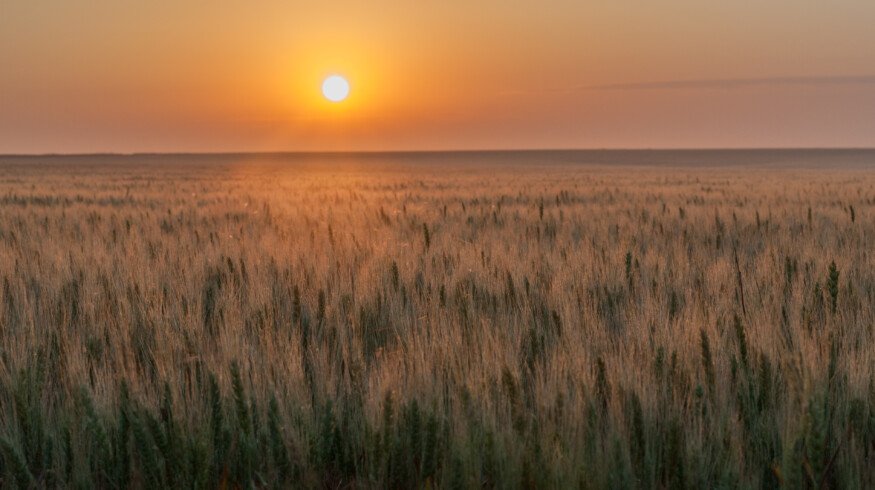

Oklahoma wheat producers face a difficult growing season, with late planting and fluctuating weather patterns jeopardizing this year’s harvest. According to data presented at the Wheat Quality Council’s annual meeting in February and reported by Baking Business, 55% of the state’s wheat crop has been rated in poor to fair condition. Only 37% of the crop is considered good, with just 3% rated excellent.
Fields were seeded unusually late—from November through December—putting the crop roughly one to one-and-a-half months behind a typical growth schedule. Mike Schulte of the Oklahoma Wheat Commission noted that earlier seeding would have exposed the crop to heavy rainfall and poor field conditions. In contrast, late seeding has resulted in exposure to significant temperature variability, including wind chills as low as minus 20 degrees Fahrenheit, followed by highs reaching 60 degrees in late February.
Fertilizer applications have also been delayed as growers await much-needed rainfall. “We have reason to be concerned about the crop being so far behind, along with the large temperature variance and lack of moisture,” Schulte said. “If we do get a warm, early spring, we could potentially predict to see a major yield loss in this crop this coming year.”
Wheat is the third-largest U.S. field crop in terms of acreage, production, and gross farm receipts, according to the U.S. Department of Agriculture. In the 2024/25 marketing year, U.S. wheat production totaled 2.0 billion bushels from 38.5 million harvested acres. Oklahoma contributes significantly to national production, accounting for 11% of the country’s winter wheat and ranking second among states. It also ranks fourth overall in total wheat production, producing 8% of the U.S. supply, according to the Oklahoma Historical Society.
Weather volatility is adding to long-term challenges for wheat growers. A 40-year study by Kansas State University, cited by NPR, found that extreme weather events—including high temperatures, strong winds, and dry conditions—increasingly undermine wheat yields across six key wheat-producing states: Oklahoma, Texas, Colorado, Nebraska, South Dakota, and Kansas. The impact is most severe when multiple events occur simultaneously.
In response, researchers at Oklahoma State University are conducting wheat improvement studies aimed at enhancing crop resilience. Broader efforts to address climate change, including emissions reduction and the shift to renewable energy sources, are also viewed as critical to improving long-term agricultural stability.

Enjoyed this story?
Every Monday, our subscribers get their hands on a digest of the most trending agriculture news. You can join them too!






Discussion0 comments