

UN launches $150 million recovery plan for Ukraine’s farm sector

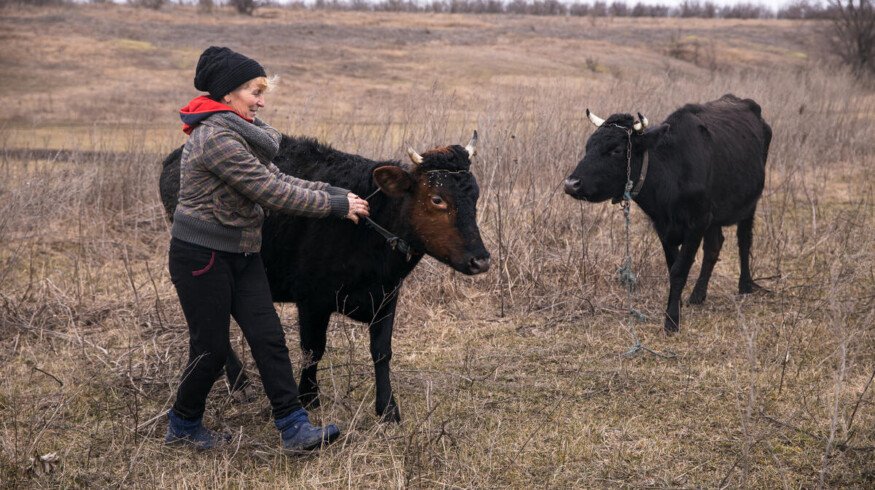

The United Nations’ Food and Agriculture Organization is launching a $150 million plan to support the recovery of Ukraine’s agricultural sector, aiming to reach more than half a million people affected by the war and restore the country’s role in global food markets.
The two-year Emergency and Early Recovery Response Plan (EERRP) targets small-scale farmers and rural households across war-affected regions. Its priorities include emergency support for agricultural inputs, clearance of contaminated farmland, and measures to reintegrate producers into domestic and export-oriented value chains.
“Ukrainian farmers continue to face mined fields, destroyed infrastructure, and blocked access to markets,” said Mohammed Azouqa, acting head of FAO’s Ukraine office. “We aim to help restore production and reduce long-term reliance on humanitarian aid.”
The initiative comes as the country’s farm sector remains under severe pressure. According to World Bank estimates, total damage and losses to agriculture and irrigation reached nearly $84 billion from February 2022 to December 2024. This includes destruction of storage facilities, machinery, crops, livestock, and input inventories. In addition, more than 138,000 square kilometers of land and 14,000 square kilometers of water remain at risk from landmines and unexploded ordnance.
Despite the obstacles, Ukraine remains a key player in the global agrifood system. Before the war, it was among the top five exporters of wheat, corn, and sunflower oil. Although some export activity has resumed via alternative routes, disruptions to port infrastructure, rail networks, and grain elevators have curtailed capacity and added uncertainty to global grain markets.
FAO’s plan is structured around three pillars. The first provides immediate agricultural inputs—seeds, fuel, animal feed, and irrigation kits—to households in frontline oblasts. Targeted cash and voucher support will help both resident and displaced farmers sustain production, especially during critical planting and harvesting periods.
Fertilizer availability also remains a concern. According to FAO assessments, around 15% of farmers cite fertilizers among their top input needs. The war has disrupted access through damaged infrastructure, higher energy costs, and stolen inventories. FAO plans to distribute fertilizer through vouchers and emergency aid in targeted regions, a move that could help reestablish seasonal input cycles as fields become accessible again.
The second pillar focuses on rehabilitating farmland contaminated by explosives. FAO is working with Ukrainian authorities and UN partners to prioritize and clear high-risk agricultural areas in regions such as Kharkiv, Kherson, and Mykolaiv. Land clearance will be followed by support packages enabling producers to resume activity on newly accessible plots.
The third pillar is directed at rebuilding value chains and restoring commercial linkages. The plan includes infrastructure investments for storage, irrigation, and renewable energy systems, alongside technical training and financial assistance for small agribusinesses and processors. FAO will also support digital tools to improve price discovery and market access, and promote formal registration for producers seeking government and donor support.
Key sectors such as dairy, vegetable farming, aquaculture, and beekeeping have been identified for targeted intervention based on their contribution to food security and employment. Support for agrifood processors—who are essential to post-harvest value addition and rural employment—will include equipment grants, fuel support, and connection to finance and logistics providers.
In 2024, Ukraine’s sown area for grains and oilseeds rose 3% from the previous year, yet overall output fell 10% due to infrastructure constraints and lower yields.
“FAO’s practical assistance—from input distribution to land clearance and technical training—will help restore our rural economy,” said Vitalii Koval, Ukraine’s Minister of Agrarian Policy and Food. “Our priority is to strengthen the long-term resilience of Ukraine’s food systems.”
Donor support will be crucial. FAO is calling on international partners to fully fund the $150 million plan, which it says is necessary to stabilize local food production, reduce external aid dependency, and secure Ukraine’s contribution to regional and global food markets.

Enjoyed this story?
Every Monday, our subscribers get their hands on a digest of the most trending agriculture news. You can join them too!






Discussion0 comments