

Researchers develop ‘plant vaccines’ to protect Australia’s vegetable crops

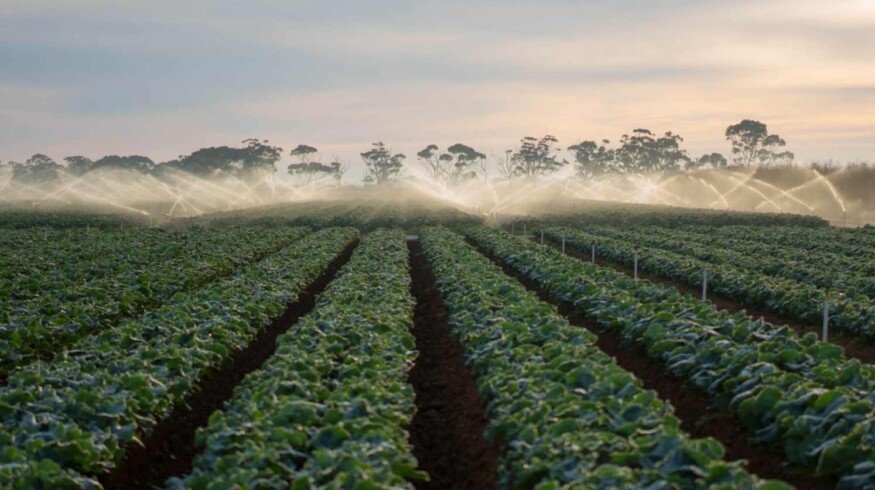

A new research initiative is investigating how “plant vaccines” could protect Australia’s vegetable crops from viral diseases by priming plants to defend themselves against infection.
The five-year project, launched during National Science Week, is funded by Hort Innovation and the Queensland Department of Primary Industries, and led by the University of Queensland (UQ). Researchers are exploring how small biological molecules known as peptides can trigger plants’ immune systems, similar to how vaccines prepare humans against viruses.
The team will use advanced molecular biology tools to identify peptides capable of stimulating broad immune responses in vegetable crops. They will also study beneficial root bacteria that may act as natural defence primers.
Brett Fifield, chief executive of Hort Innovation, said the research could provide eco-friendly and scalable solutions for growers. “We’re combining cutting-edge science with practical farming needs to create virus-resistant crops that don’t rely on chemicals,” he said.
Unlike conventional vaccines that use weakened or inactivated viruses, the project is testing peptide elicitors, which mimic viral presence without introducing a pathogen. UQ’s Dr Mark Jackson compared the approach to a flu shot for people: “These molecules can prime the plant’s natural defences, so when a real virus shows up, the plant knows how to fight back.”
The research is focused on Queensland’s vegetable-growing regions, where viruses such as papaya ringspot and zucchini yellow mosaic spread quickly through insect carriers. If successful, the work could reduce reliance on chemical treatments, improve crop resilience and productivity, and help future-proof farming systems against emerging viral threats.
Growers and industry stakeholders are being encouraged to monitor the project’s progress and consider adopting the tools once developed.

Enjoyed this story?
Every Monday, our subscribers get their hands on a digest of the most trending agriculture news. You can join them too!






Discussion0 comments