

Biodegradable hydrogel enables crops to grow with minimal water

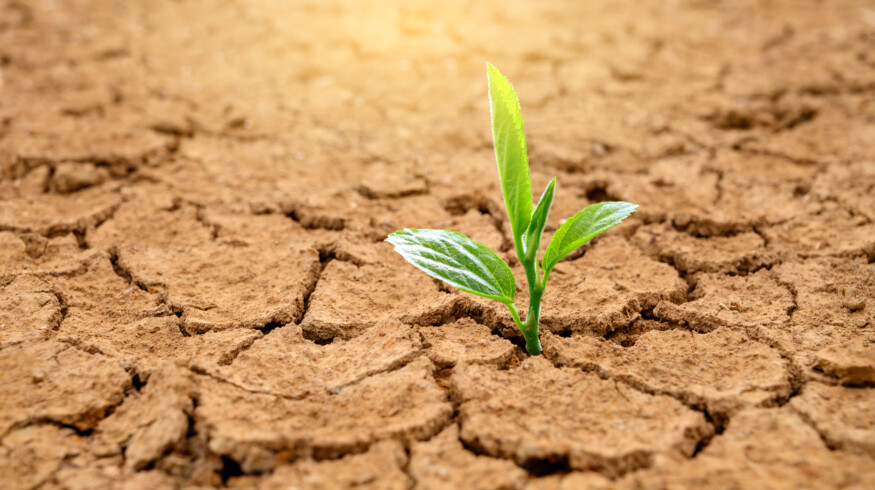

Researchers from the Italian Institute of Technology (IIT) in Genoa and the Free University of Bozen-Bolzano (UniBz) have developed a biodegradable hydrogel designed to sustain plant growth with minimal water use, offering a potential solution to drought and pollution challenges in agriculture.
The material, presented in the ACS Agricultural Science & Technology journal, is a fully biodegradable and eco-friendly system suited for hydroponic cultivation. It is made from carrageenan, a polysaccharide extracted from red algae, and enriched with whole-algae extracts that act as natural biostimulants to enhance nutrient uptake, stress tolerance, and crop quality.
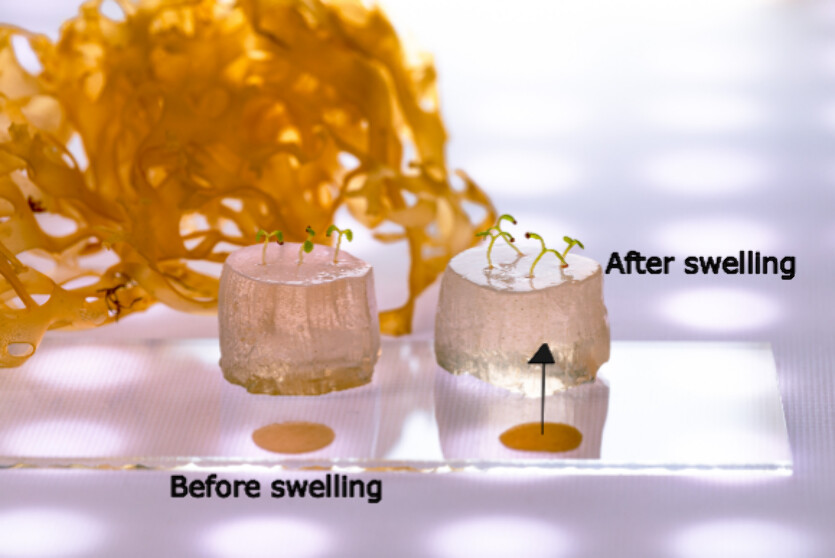
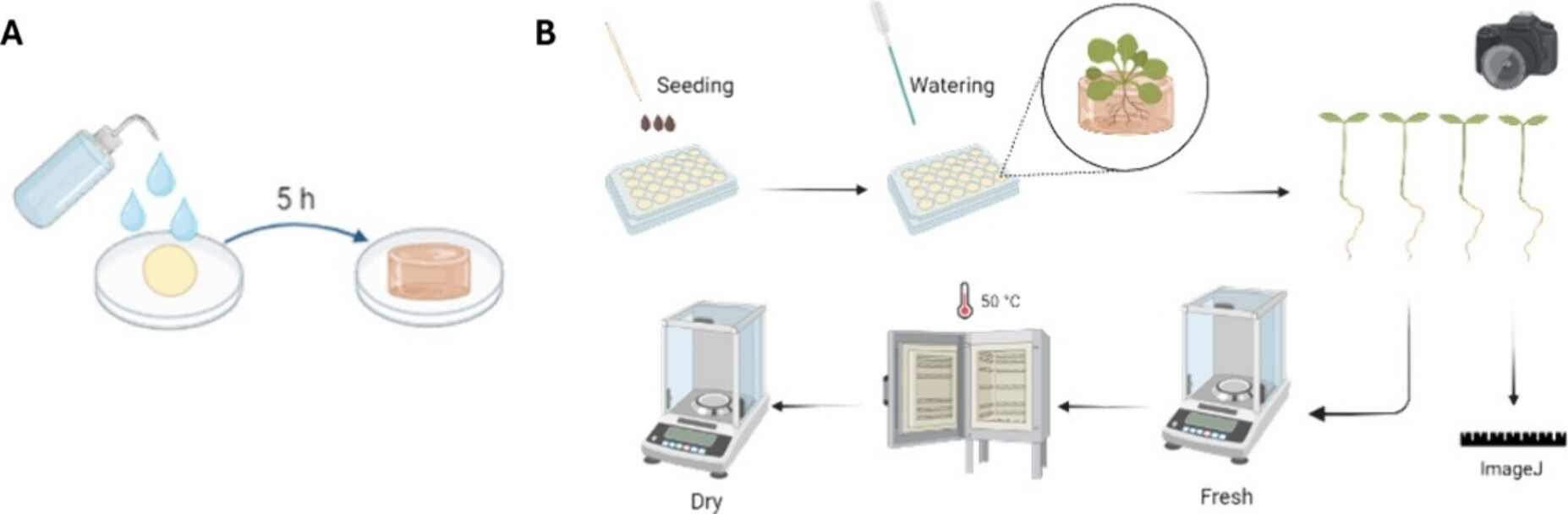
Hydrogels are water-retaining materials made from polymer networks. In this research, the team engineered a hydrogel capable of swelling up to 7,000% of its weight in water, allowing plants to grow even under limited irrigation. Laboratory tests with Arabidopsis thaliana showed that plants grown in the new hydrogel developed more vigorously than those in traditional hydroponic substrates.
“Our goal was to create a material that is not only biodegradable and sustainable but can also interact with plants to provide them with water and nutrients efficiently,” said Camilla Febo, researcher at UniBz and IIT. “The hydrogel we developed retains moisture and releases it gradually, significantly reducing water consumption.”
The researchers aim to further enhance the system by integrating flexible, biodegradable sensors into the hydrogel structure. These sensors would monitor plant health and environmental conditions in real time, supporting precision agriculture and resource efficiency.
“At IIT, we are focusing on developing smart, sustainable materials to counteract the effects of water scarcity and plastic pollution,” said Athanassia Athanassiou, vice scientific director of IIT and head of the Smart Materials Unit. “Using natural marine resources, we designed a hydrogel that provides water and nutrients while minimizing environmental impact.”
According to UniBz professor Luisa Petti, who leads the university’s Sensing Technologies Lab, the project demonstrates how innovation can align with sustainability. “This hydrogel is a concrete example of technology supporting agriculture by improving efficiency and reducing environmental footprint,” she said.

Enjoyed this story?
Every Monday, our subscribers get their hands on a digest of the most trending agriculture news. You can join them too!





Discussion0 comments