

Yara CEO: fertilizer shortage is costing 10 billion meals per week globally



Yara CEO Svein Tore Holsether has issued one of the starkest public warnings to date about the downstream consequences of the global fertilizer supply crunch, estimating that the shortage is costing the world approximately 10 billion meals per week.
Speaking in media coverage published by OilPrice.com, Holsether said that up to half a million tonnes of nitrogen fertilizer production has effectively been knocked offline globally as a result of the Strait of Hormuz blockade and associated supply chain disruptions. That production shortfall, he argued, is translating directly into reduced crop yields and diminishing food availability in the world’s most import-dependent regions.
In the worst case, Holsether warned, lower yields and crop failures in the coming season remain a real risk — a scenario that could trigger a food bidding war in which wealthy nations and well-resourced buyers outcompete poorer countries and populations for available calories.
Sub-Saharan Africa was highlighted as the region most exposed to the crisis. Approximately 80% of the region’s fertilizer is imported, with the majority historically sourced from Gulf-region producers — precisely the supply chains most disrupted by the ongoing Hormuz blockade. Unlike major economies with strategic reserves or alternative sourcing relationships, many Sub-Saharan nations have limited leverage to redirect procurement at short notice.
The remarks from Holsether carry significant weight given Yara’s position as the world’s largest nitrogen fertilizer producer and one of the most globally active traders of agricultural inputs. The company has long positioned itself as a voice on global food security issues, but Holsether’s tone has grown increasingly urgent as the Hormuz conflict has extended into its third month with no clear resolution.
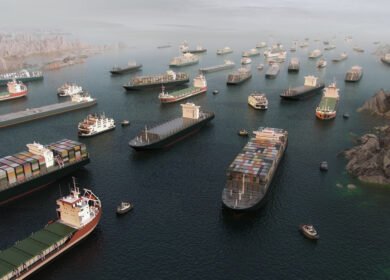
The Strait of Hormuz carries roughly one-third of global seaborne fertilizer trade, and the conflict’s impact on nitrogen, phosphate, and potash supply chains has compounded existing pressures from earlier macro shocks — including elevated energy costs and the lingering effects of the 2022–23 fertilizer price crisis.
Source: OilPrice.com

Enjoyed this story?
Every Monday, our subscribers get their hands on a digest of the most trending agriculture news. You can join them too!




Discussion0 comments