

Ocean upwelling identified as key driver behind massive sargassum blooms in the Atlantic

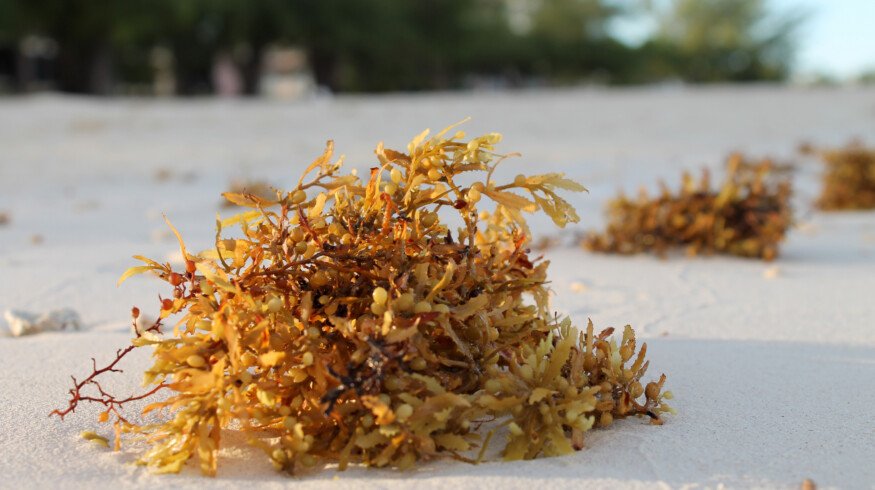

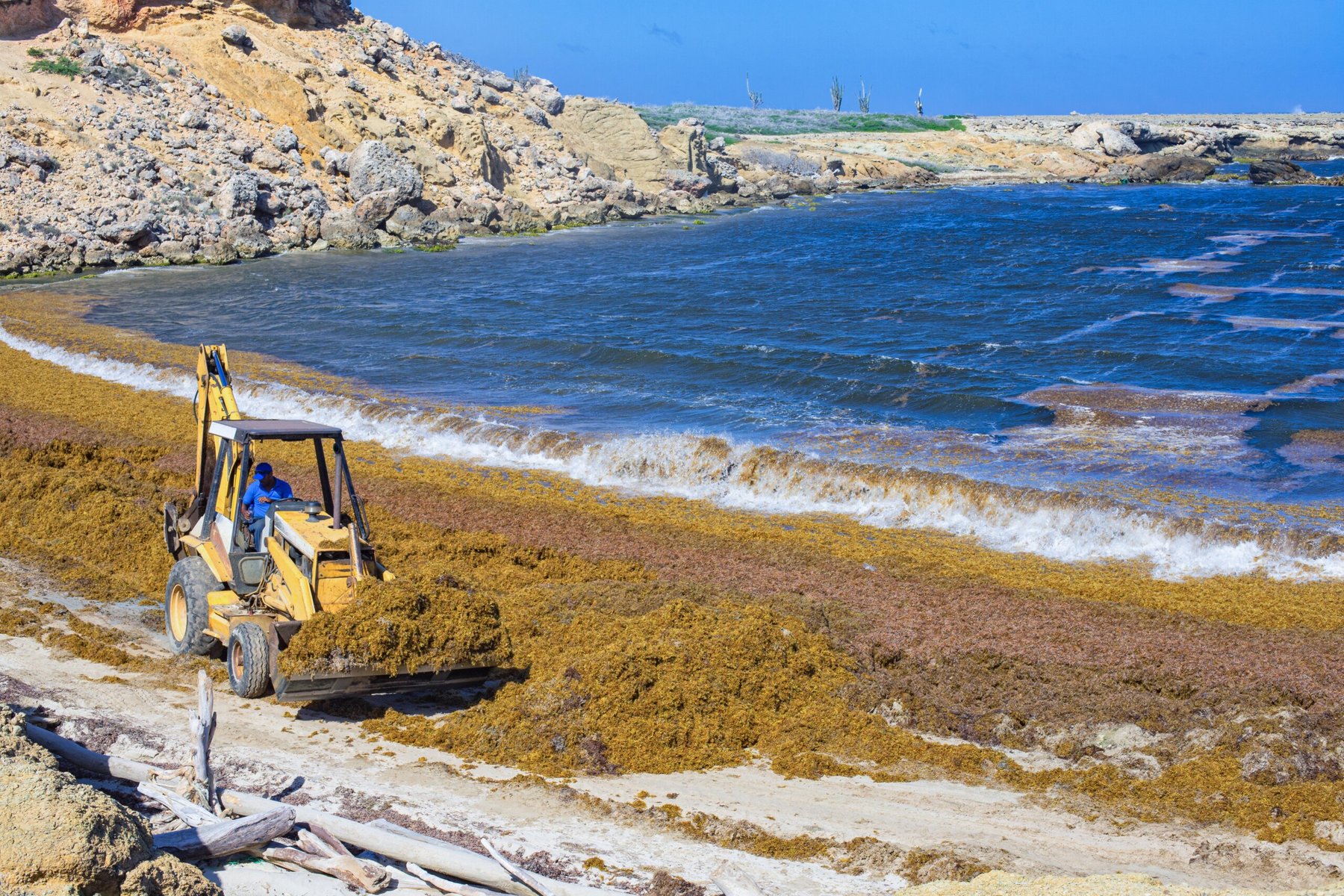
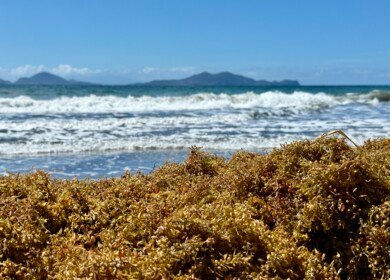
An international team led by the Max Planck Institute for Chemistry has identified the main mechanism behind the recurring blooms of Sargassum seaweed across the Atlantic Ocean, which have caused widespread beach strandings from the Caribbean to West Africa over the past decade.
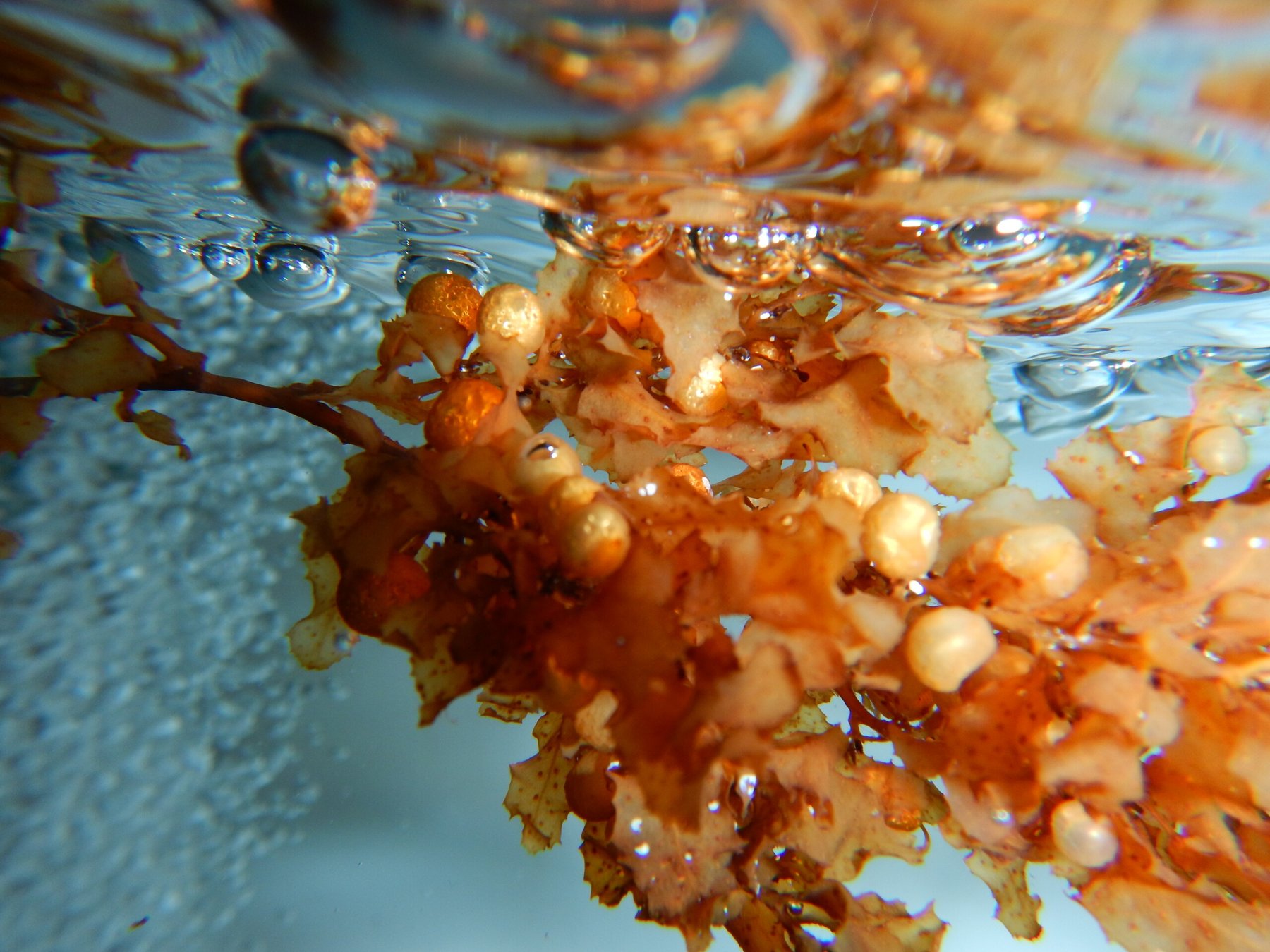
The study, published in Nature Geoscience, attributes the phenomenon to wind-driven upwelling near the equator that brings phosphorus-rich water from the ocean depths to the surface. This nutrient boost supports cyanobacteria that colonize Sargassum and fix atmospheric nitrogen into a form usable by the algae—fueling rapid growth.
The findings help clarify why the so-called Great Atlantic Sargassum Belt, first detected in 2011, has expanded dramatically, with an estimated 38 million tons drifting toward the Caribbean, Gulf of Mexico and northern South America by mid-2025.
Symbiotic relationship and long-term evidence
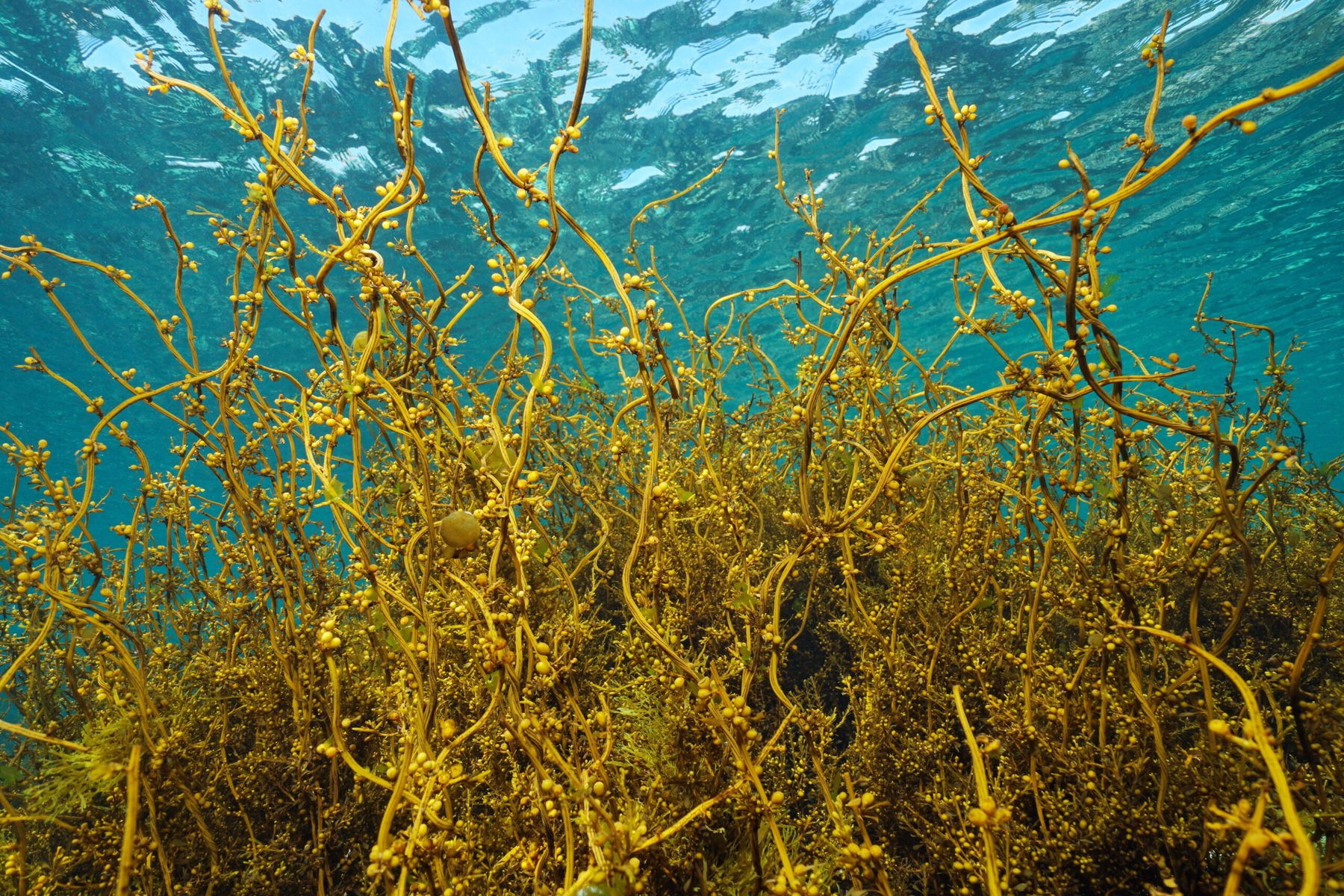
The researchers showed that cyanobacteria living on Sargassum form a symbiotic relationship that provides the algae with additional nitrogen. By analyzing nitrogen isotopes preserved in coral cores from various Caribbean sites, the team reconstructed ocean nitrogen fixation rates over the past 120 years. These records revealed that peaks in nitrogen fixation coincided with major Sargassum bloom years, notably in 2015 and 2018.
Ph.D. researcher Jonathan Jung, the study’s first author, said the correlation between nitrogen fixation and algae biomass was striking. “Our coral data and Sargassum records aligned perfectly, indicating the two processes have been linked since 2011,” he noted.
Phosphorus as the decisive factor
The team ruled out earlier hypotheses that Saharan dust or river runoff from the Amazon and Orinoco provided the nutrients driving the blooms. Instead, they concluded that equatorial upwelling—triggered by shifts in sea surface temperatures and wind patterns—supplies the key phosphorus needed for cyanobacterial growth and, consequently, for Sargassum proliferation.
Toward better forecasting
By monitoring sea temperature, wind anomalies and upwelling in the tropical Atlantic, scientists believe it will be possible to predict the scale of future blooms.
“The variability of Sargassum growth can be explained more accurately through this mechanism than by any previous model,” said Alfredo Martínez-García, senior author of the study. “Yet uncertainties remain about how global warming will influence the ocean processes controlling phosphorus supply.”
Further coral analyses across the Caribbean are planned to refine the understanding of how these climatic and oceanic dynamics affect Sargassum growth. The researchers hope that improved forecasts will help coastal communities and tourism-dependent economies prepare for and mitigate the environmental and economic impacts of massive seaweed influxes.

Enjoyed this story?
Every Monday, our subscribers get their hands on a digest of the most trending agriculture news. You can join them too!







Discussion0 comments