

How to prepare for a winter storm and power outage


The U.S. Department of Agriculture is urging farmers, ranchers, and households in the projected path of Winter Storm Fern to prepare now for severe winter weather and potential power outages, warning that early planning can reduce risks to food safety, livestock, and farm operations.
USDA regional, state, and county offices are ready to assist communities before and after the storm. The agency has made disaster assistance information available through its Disaster Resource Center. Below, we publish key recommendations to help overcome the challenges of a winter storm.
Protecting food during power outages
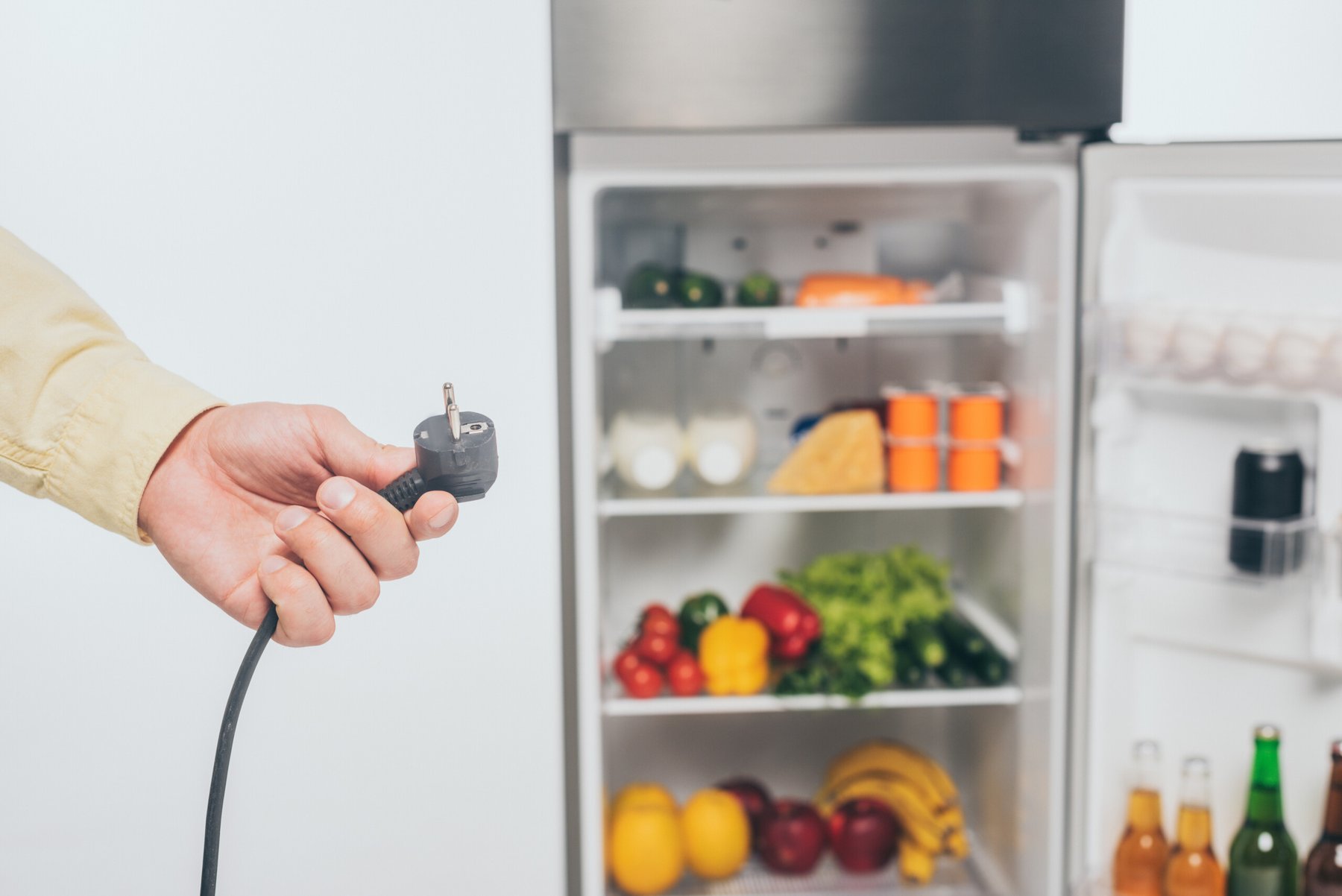
Power disruptions are common during winter storms and can quickly compromise refrigerated and frozen food. USDA recommends several steps to reduce food loss and prevent illness:
- A refrigerator will keep food safely cold for about four hours if unopened. A full freezer can maintain safe temperatures for up to 48 hours, or 24 hours if half full.
- Keep refrigerator and freezer doors closed as much as possible.
- Do not place food outdoors in snow, as temperatures can fluctuate and food may be exposed to animals or contamination.
- Freeze containers of water or make ice in advance to help maintain cold temperatures.
- Freeze perishable items such as leftovers, milk, and fresh meat if they will not be used immediately.
- Group frozen foods together to help them stay cold longer.
- Keep several days’ worth of shelf-stable, ready-to-eat food on hand.
For food safety questions, consumers can contact the USDA Meat and Poultry Hotline at 1-888-674-6854 or email MPHotline@usda.gov. Meat and poultry businesses may contact the FSIS Small Plant Help Desk at 1-877-374-7435.
Protecting pets and livestock
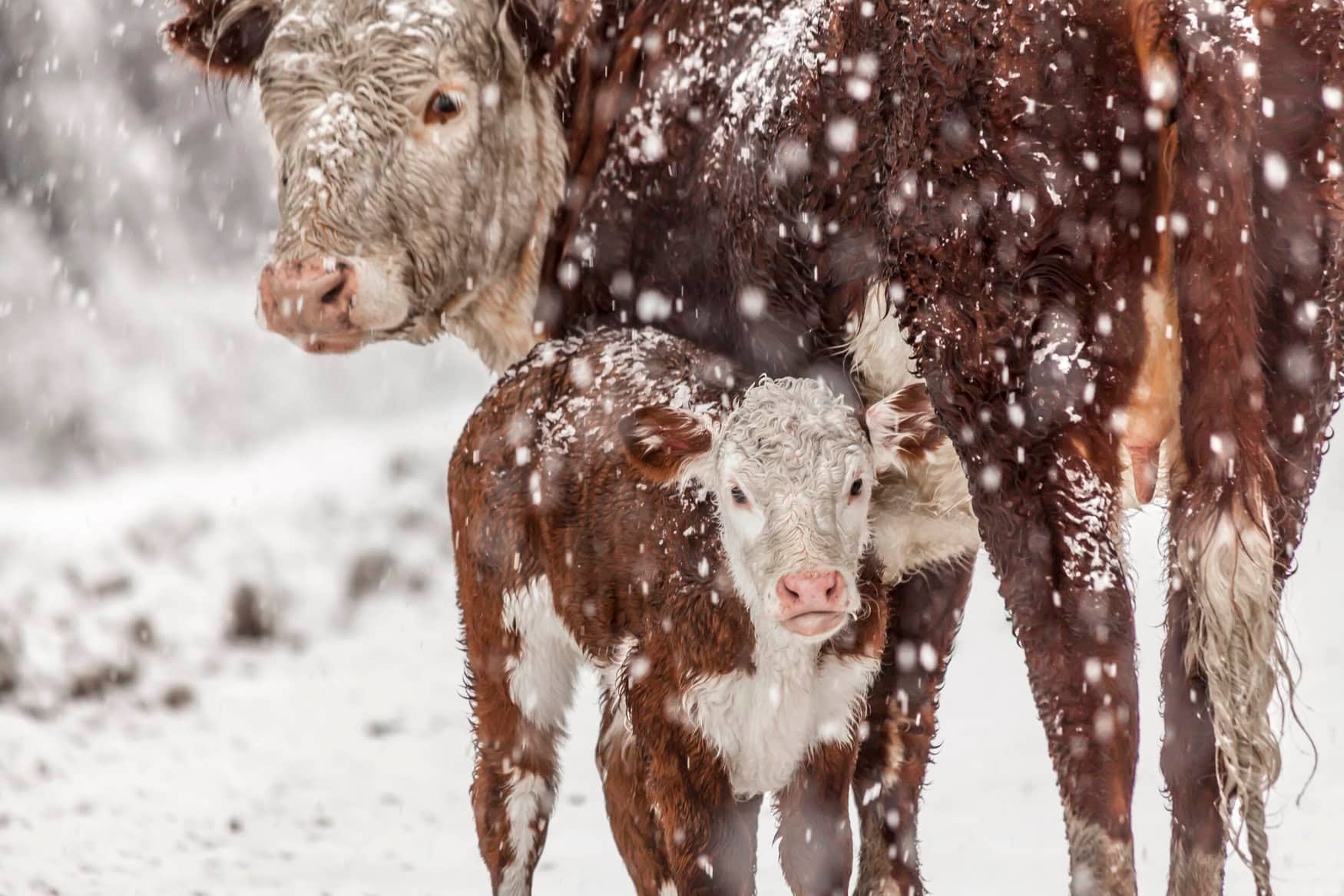
USDA’s Animal and Plant Health Inspection Service urges livestock owners and pet owners to take precautions ahead of the storm:
- Provide adequate shelter, dry bedding, and access to unfrozen water.
- Ensure sufficient feed supplies are available in case transportation is disrupted.
- Follow guidance from local emergency officials.
- Producers moving livestock across state lines should contact the receiving state’s veterinarian or local APHIS office in advance.
Disaster assistance for farmers and ranchers
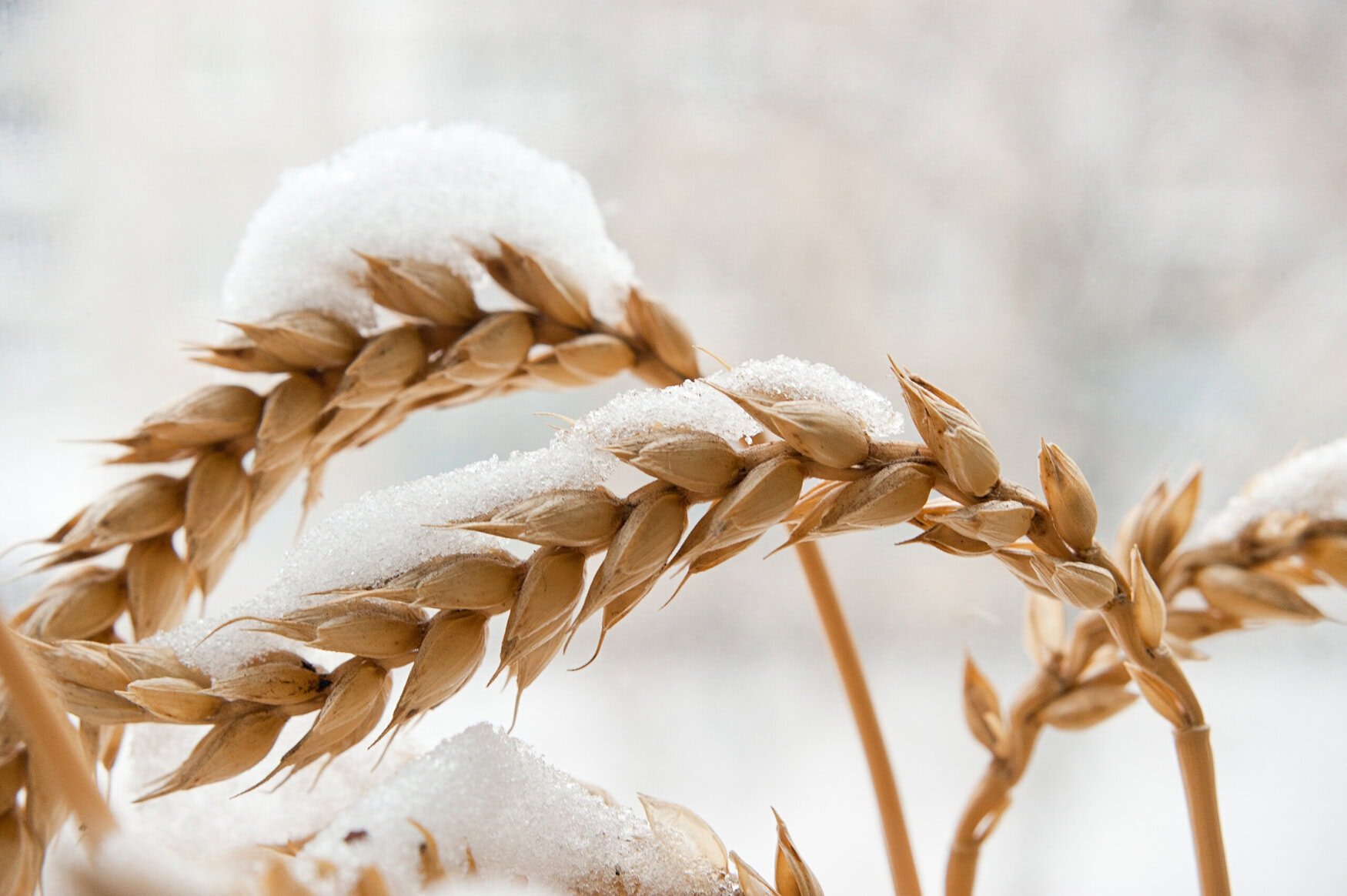
USDA is reminding producers that several federal programs are available to help recover from storm-related losses.
Producers with Federal Crop Insurance or Noninsured Crop Disaster Assistance Program coverage should report damage to their crop insurance agent or local Farm Service Agency office within 72 hours of discovery and submit written follow-up documentation within 15 days.
Additional assistance programs include:
- Livestock Indemnity Program and Emergency Assistance for Livestock, Honeybees, and Farm-Raised Fish
- Tree Assistance Program for orchards and vineyards
- Emergency Conservation Program and Emergency Forest Restoration Program
- Environmental Quality Incentives Program through USDA’s Natural Resources Conservation Service
Farmers may also qualify for emergency loans, operating loans, and loan servicing options through FSA to help cover production losses, repair damage, or replace equipment and livestock.
Where to get help
USDA encourages producers and residents to contact their local USDA Service Center or visit farmers.gov to access the Disaster Assistance Discovery Tool and other recovery resources.
The department’s Food and Nutrition Service is also coordinating with the Federal Emergency Management Agency and stands ready to support emergency nutrition assistance requests from states and local governments as conditions evolve.
Officials stress that preparation ahead of the storm is the most effective way to reduce losses and speed recovery once severe weather passes.

Enjoyed this story?
Every Monday, our subscribers get their hands on a digest of the most trending agriculture news. You can join them too!





Discussion0 comments