

Kelp biofuel may soon power our cars and planes

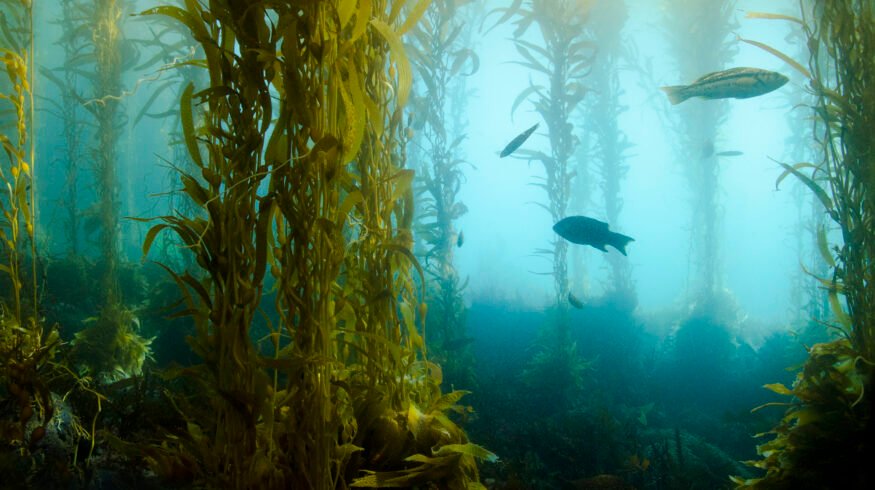

Scientists and ocean farmers in the northeastern United States are working to develop kelp as a renewable biofuel source that may reduce the shipping and aviation sectors’ reliance on petroleum-based fuels. Researchers at the Woods Hole Oceanographic Institution are developing fast-growing kelp strains that produce significantly higher biomass yields than conventional varieties, aiming to support future large-scale biofuel production.
In contrast to corn-based ethanol, kelp can be cultivated in marine environments without the need for farmland, freshwater, or pesticides. Scientists report that seaweed can be converted into liquid fuel through hydrothermal liquefaction, a process that applies heat and pressure to generate petroleum alternatives suitable for transportation. Marine scientist Scott Lindell stated that seaweed represents one of the fastest-growing and most sustainable. The research was supported by the U.S. Department of Energy’s MARINER initiative, which was launched in 2016 to investigate macroalgae-based renewable energy systems. This program funded projects on kelp genetics, crop resilience, and biomass productivity. However, several researchers noted that federal support has diminished since the initiative ended in 2024. Industry development is further limited by the absence of guaranteed buyers and insufficient private-sector investment in large-scale aquaculture infrastructure.
Commercial kelp farming in the United States remains limited in scale, with the majority of production serving restaurants, cosmetics manufacturers, and fertilizer markets instead of energy producers. Oliver Dixon, a Rhode Island farmer who cultivates kelp alongside oysters, stated that inconsistent demand has discouraged expansion. Bren Smith, whose nonprofit organization supports ocean farmers, argued that kelp currently offers greater economic returns in food and consumer products than in fuel markets.
Researchers and policy experts also identify regulatory challenges that complicate industry expansion. Large-scale offshore seaweed farms would require extensive permitting and may raise ecological concerns, such as nutrient competition and risks to marine ecosystems. Nevertheless, scientists involved in the research suggest that rising energy security concerns, fluctuating oil prices, and long-term decarbonization objectives could renew interest in kelp-based fuels.
Sources: Associated Press

Enjoyed this story?
Every Monday, our subscribers get their hands on a digest of the most trending agriculture news. You can join them too!








Discussion0 comments