

CF Industries moves forward with its $4 billion blue hydrogen and ammonia complex in Louisiana; construction begins in 2026

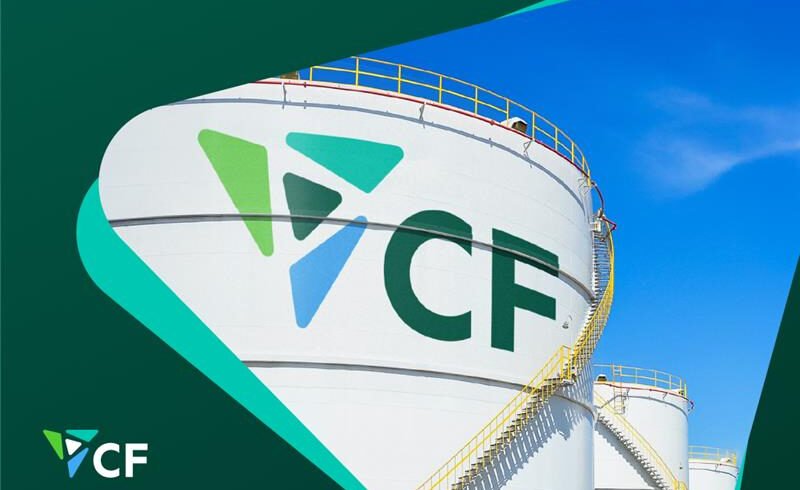

CF Industries confirmed it is on track to begin construction in 2026 on its large-scale blue hydrogen and ammonia complex, further expanding its low-carbon fertilizer and energy production capacity in the U.S.
The project will produce blue ammonia and blue hydrogen from natural gas, using carbon capture and storage technology, significantly reducing carbon dioxide emissions compared to conventional methods. This development supports the company’s broader strategy to supply low-carbon fuels to agricultural, industrial, and energy markets.
CF Industries continues to invest in clean ammonia production as governments and industries seek alternatives to higher-emission fuels. Blue ammonia is considered a potential low-carbon fuel for shipping and power generation, while hydrogen is expected to support decarbonization in heavy industry and transportation.
The company reported that engineering and development work is progressing, with construction targeted to begin before year-end. Once completed, the facility is expected to be one of the largest blue ammonia and hydrogen production sites in North America.
Key facts about CF Industries’ Blue Point project
The project will be built in Ascension Parish, Louisiana, along the Mississippi River at CF Industries’ Blue Point Complex, about nine miles north of the company’s existing Donaldsonville facility.
The low-carbon ammonia production facility is expected to require approximately USD 4 billion in direct investment from the joint venture partners — CF Industries, JERA, and Mitsui. CF Industries also plans to invest an additional USD 550 million in supporting infrastructure, including storage and loading facilities.
CF Industries estimates the development will create around 3,900 construction jobs over four years, with roughly USD 800 million in wages and benefits. Once operational, the facility is expected to support 103 permanent full-time positions with average annual salaries of about USD 110,000, along with hundreds of indirect jobs.
The Blue Point complex is designed as a low-carbon, or “blue,” ammonia facility using autothermal reforming technology combined with carbon capture and sequestration. The project is expected to capture and permanently store more than 95% of the carbon dioxide generated during ammonia production — approximately 2.3 million metric tons of CO2 annually.
The facility is expected to have annual production capacity of about 1.4 million metric tons of low-carbon ammonia, making it one of the world’s largest blue ammonia plants. Construction is scheduled to begin in 2026, with commercial production targeted for 2029.

Enjoyed this story?
Every Monday, our subscribers get their hands on a digest of the most trending agriculture news. You can join them too!





Discussion0 comments