

U.S. farm bankruptcies surge 46% in 2025, reaching highest level in five years

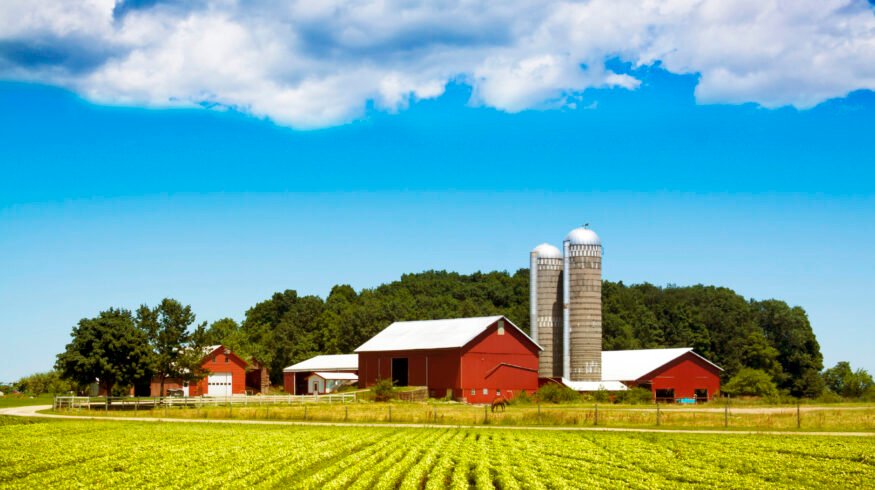

Chapter 12 farm bankruptcy filings, the federal process intended for family-sized agricultural operations, increased by 46% in 2025, marking the third consecutive annual rise, according to data compiled by the American Farm Bureau Federation. The Midwest and Southeast experienced the most significant regional increases.
These figures indicate increasing pressure on US farms resulting from elevated input costs, persistently low commodity prices, and, most recently, the fertilizer and fuel price shock caused by the Strait of Hormuz disruption. Chapter 12, established in 1986 during the previous major farm debt crisis, enables eligible agricultural producers to reorganize debt and continue operations. It offers greater flexibility than Chapter 11 but imposes annual farm income and debt limits that exclude larger commercial operations.
Farm diesel prices have increased by 46% since the end of February. Anhydrous ammonia prices exceeded $1,100 per ton by late April, representing an increase of approximately 30% over two months. Urea prices have risen by about 50% since the onset of the conflict. These cost increases coincide with the spring planting window, a period when fertilizer and fuel constitute the largest share of operating expenditures for US row-crop farmers.
Approximately one in four US farmers had not secured fertilizer for the 2026 planting season as of the Farm Bureau survey conducted from April 3 to 11. A separate USDA analysis, which will be the first to capture post-crisis per-acre cost data, is expected soon and will offer greater insight into the disruption’s impact on farm margins. The three-year increase in bankruptcies, together with decades of ongoing farm consolidation, has resulted in fewer and larger farms absorbing a greater share of the income variability caused by such disruptions.

Enjoyed this story?
Every Monday, our subscribers get their hands on a digest of the most trending agriculture news. You can join them too!






Discussion0 comments