

Senator Marshall introduces bill to scrap Moroccan phosphate duties that cost U.S. farmers $6.9B over five years

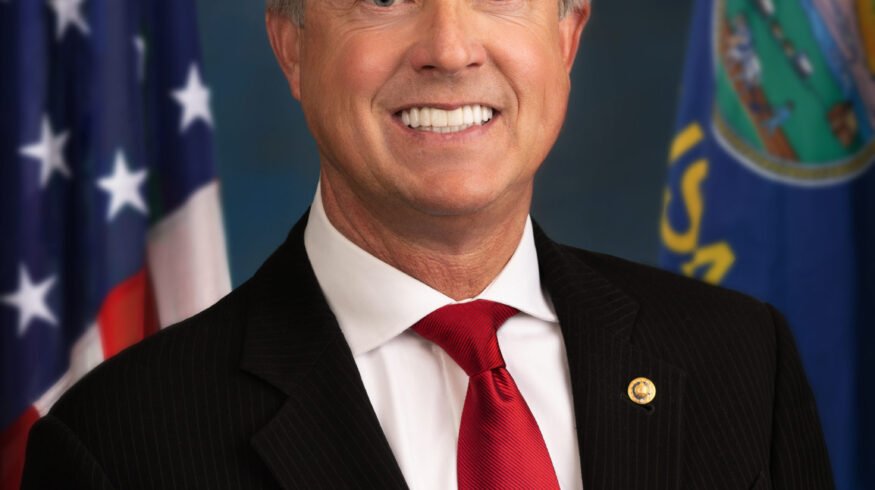

Senator Roger Marshall (R-KS) introduced legislation on April 28 to eliminate all tariffs and countervailing duties on phosphate fertilizer imports from Morocco, aiming to restore competitively priced DAP and MAP supply for U.S. growers facing the highest phosphate input costs in years.
The bill — the Lowering Input Costs for American Farmers Act — is co-sponsored by Senators Chuck Grassley (R-IA), Cindy Hyde-Smith (R-MS) and Joni Ernst (R-IA). If enacted, it would eliminate Morocco-specific tariffs within seven days and revoke the countervailing duty (CVD) order within four business days.
The CVD order was imposed in April 2021 after Mosaic alleged that Morocco’s state-owned OCP Group received unlawful government subsidies that allowed it to undercut domestic producers. The original rate of 19.97% was subsequently revised to 16.60%, then cut to 2.11% in January 2026 after the U.S. Court of International Trade found that a key Moroccan tax program was not specific to OCP and therefore not countervailable. The U.S. government then dropped its Federal Circuit appeal, and a five-year sunset review is now underway at the Department of Commerce.
A study by the Agricultural and Food Policy Center at Texas A&M University estimated that the CVDs increased fertilizer costs for U.S. farmers by $6.9 billion across the 2021-2025 growing seasons. U.S. imports of DAP and MAP from Morocco averaged just 182,300 tonnes per year during that period, down from a record 1.85 million tonnes in 2018. If the duties were eliminated, phosphate fertilizer prices for U.S. farmers could fall by more than 20%, or roughly $150 per short ton, according to estimates cited by the senator’s office.
The bill is supported by the National Corn Growers Association, American Soybean Association, American Farm Bureau Federation, National Cotton Council, USA Rice and the National Association of Wheat Growers. USDA Secretary Brooke Rollins has confirmed the administration is weighing the duties, calling the internal debate one with “varying views.”
“Kansas farmers are getting hit by a fertilizer market that’s working against them,” Marshall said in the announcement. “This bill removes duties that are driving up costs for farmers, and puts money back in the hands of the people feeding this country.”
The legislation’s chances hinge on whether the Trump administration — which has otherwise expanded tariff authority broadly — will make an exception for a product where domestic producer interests (Mosaic) are directly opposed to farmer interests. That tension is being litigated simultaneously in the Commerce sunset review, in Congress, and in the court of public opinion as input costs bite during planting season.

Enjoyed this story?
Every Monday, our subscribers get their hands on a digest of the most trending agriculture news. You can join them too!








Discussion0 comments