

PepsiCo signs three low-carbon fertilizer deals with CF Industries, TalusAg and Fertiberia



PepsiCo has finalized three separate offtake agreements for low-carbon ammonia fertilizers, covering its North American potato supply chain, global markets and European farm programs — a combined commitment of more than 345,000 tonnes per year by 2030, according to the Ammonia Energy Association.
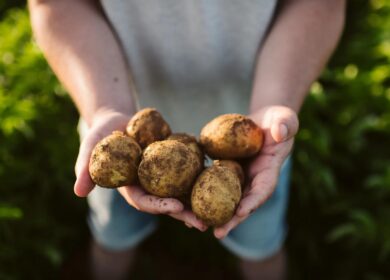
The first deal, announced April 23, pairs PepsiCo with CF Industries for lower-carbon urea ammonium nitrate (UAN) for Frito-Lay potato growers in the United States. CF Industries produces the certified low-carbon UAN at its Donaldsonville, Louisiana facility using carbon capture and sequestration and nitric acid plant emissions abatement, verified under the Fertilizer Institute’s Verified Ammonia Carbon Intensity Program.
The second agreement, with TalusAg and announced May 5, covers 30,000 tonnes per year of low-carbon ammonia — with an option to purchase a further 41,000 tonnes — for PepsiCo’s European, Sub-Saharan African and Asia Pacific operations. TalusAg operates modular green ammonia systems in Boone, Iowa; Nairobi, Kenya; and planned sites in Minnesota. The environmental attributes are verified through a book-and-claim model backed by tokenized Environmental Attribute Certificates managed by S3 Markets — which the companies described as the world’s first tokenized ammonia fertilizer EACs.
The third agreement, with Fertiberia, covers renewable fertilizer sourced from Fertiberia’s Impact Zero plant in Puertollano, Spain, across approximately 400,000 acres of European farmland where PepsiCo sources corn and potatoes.
Including a separate Yara agreement for 165,000 tonnes per year in Europe and an undisclosed volume in Latin America, PepsiCo expects roughly 50% of its European fertilizer supply chain to run on low-carbon ammonia by 2030. “This agreement helps create a strong demand signal for low emissions ammonia while supporting both more stable input economics for growers and the long-term transition of the fertilizer market,” said Margaret Henry, PepsiCo VP of Sustainable and Regenerative Agriculture.
The deals represent one of the largest corporate commitments to low-carbon fertilizer procurement to date and are structured around both physical supply and market-based certification mechanisms — the latter allowing near-term action while physical low-carbon logistics continue to develop.
Source: Ammonia Energy Association

Enjoyed this story?
Every Monday, our subscribers get their hands on a digest of the most trending agriculture news. You can join them too!




Discussion0 comments