

Greenpeace report claims traditional English roast dinner contains more than 100 pesticides

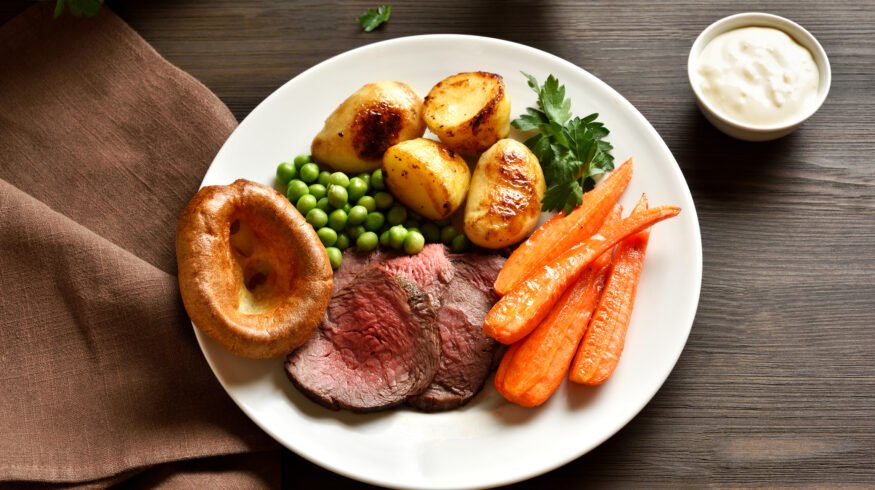

According to a new Greenpeace UK report, a traditional English roast dinner may include ingredients treated with up to 102 different pesticides. The report warns that extensive chemical use in agriculture contributes to biodiversity loss and environmental harm.
The report, using 2024 pesticide data from the UK’s Food and Environment Research Agency, found that seven types of vegetables and soft fruits commonly used in Sunday roasts and desserts were treated with numerous chemicals, including seven banned in the European Union. Greenpeace stated that potatoes may have been sprayed with benthiavalicarb, a fungicide banned in the EU due to cancer concerns, and metribuzin, a herbicide linked to endocrine disruption. Strawberries were also treated with chemicals such as clofentezine, dimethomorph, and mepanipyrim, all prohibited in the EU because of potential risks to human and animal hormones.
Greenpeace argued that repeated pesticide use is harming pollinators, birds, butterflies, rivers, and soil ecosystems. Nina Schrank, senior campaigner at Greenpeace UK, stated that the countryside is being “drenched in pesticides” and that farmers are caught in a cycle of chemical dependency. The group urged the UK government to reduce pesticide use, impact, and toxicity by 50% by 2030, realign with EU pesticide standards, ban imports grown with unlicensed chemicals, and expand organic farming.
The UK government’s National Action Plan aims for a 10% reduction in pesticide use by 2030. The National Farmers’ Union defended crop protection products, stating they are among the most heavily regulated chemicals globally and are used only when necessary. The organization warned that crop yields could decrease by up to 50% without pesticides. Guy Singh-Watson, founder of Riverford Organic Farmers, criticized the sector’s reliance on agrochemicals, arguing that current safety assessments do not fully consider the cumulative effects of repeated exposure to multiple chemicals.
A spokesperson for the UK Department for Environment, Food and Rural Affairs said pesticide residue limits in food are subject to “rigorous risk assessments” and apply equally to domestic and imported produce. The department said its national action plan aims to support farmers in adopting more sustainable pest-control practices while protecting food security.
Sources: The Guardian
Key questions about Greenpeace’s pesticide findings in the British roast dinner
Greenpeace UK found that vegetables and strawberries commonly eaten as part of a traditional British roast dinner and dessert were treated with a total of 102 unique pesticides, according to official pesticide usage data from the Food and Environment Research Agency.
The analysis showed that onions and leeks were treated with 43 different pesticides, strawberries with 42, carrots and parsnips with 40, field potatoes with 31, peas with 29, and swede and turnips with 20.
Greenpeace said several of the pesticides identified are linked to cancer risks, endocrine disruption, harm to pollinators and aquatic ecosystems, and long-term environmental persistence. The group noted that seven of the pesticides found are already banned in the European Union.
Greenpeace is calling for a 50% reduction in pesticide and fertilizer use by 2030 and an 80% reduction by 2040. The organization also wants increased financial support for farmers transitioning away from chemical-intensive farming and tighter restrictions on pesticide use in public spaces and homes.
The UK government’s current Pesticides National Action Plan aims to reduce pesticide use by 10% by 2030 while supporting sustainable farming practices and protecting food security.

Enjoyed this story?
Every Monday, our subscribers get their hands on a digest of the most trending agriculture news. You can join them too!






Discussion0 comments