

European scientists are close to creating self-fertilizing crops

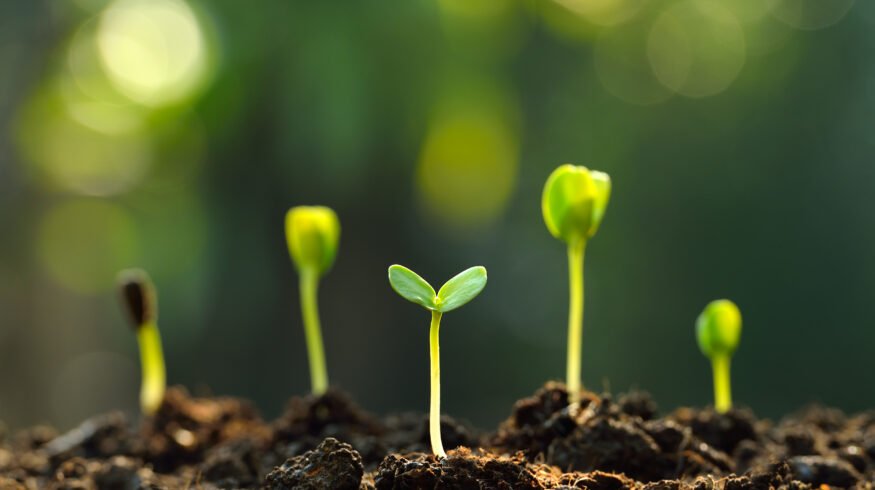

Researchers at Aarhus University in Denmark have identified a precise molecular switch within plant immune receptors that can be reprogrammed to enable a symbiotic relationship with nitrogen-fixing bacteria — a discovery that could, in the long run, substantially reduce the agricultural world’s dependence on synthetic nitrogen fertilizer.
The research, led by Professors Kasper Røjkjær Andersen and Simona Radutoiu of the university’s Department of Molecular Biology and Genetics, was published in the journal Nature in November 2025 and has since attracted widespread attention as the global fertilizer supply crisis has intensified pressure on the industry to find alternatives to conventional nitrogen inputs.
The Discovery: Symbiosis Determinant 1
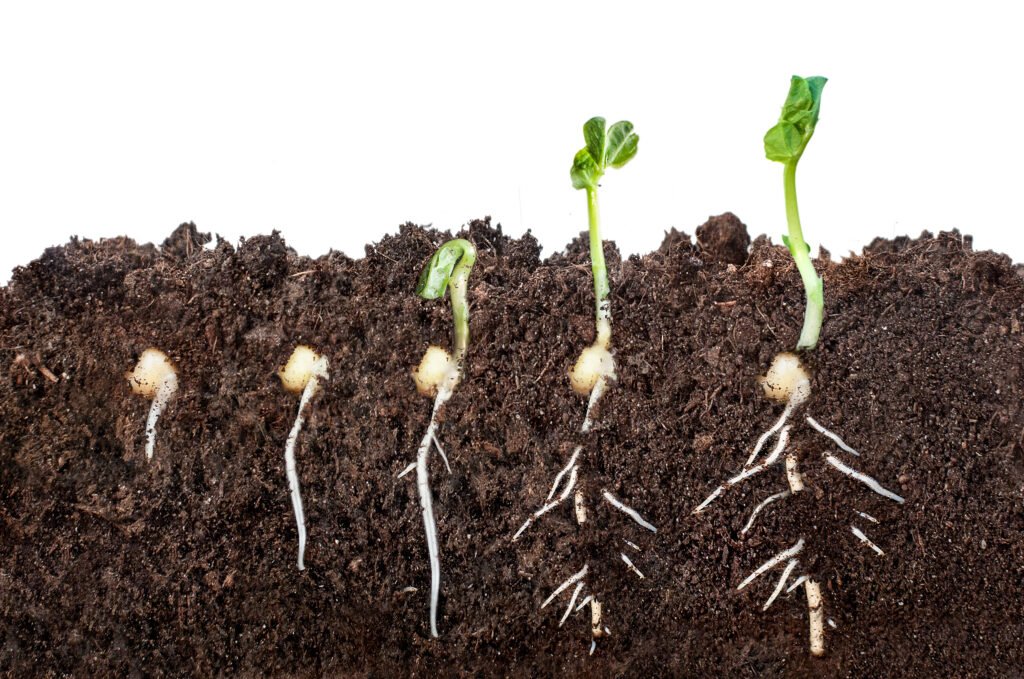
At the core of the research is a small protein region the scientists have named Symbiosis Determinant 1 — a segment of root receptor proteins that acts as a biological switch determining whether a plant’s immune system treats nearby soil bacteria as a threat to be repelled or as a partner to be welcomed.
In legumes such as peas, beans, and clover, specialized bacteria are permitted to enter root tissue, where they convert atmospheric nitrogen into ammonia that the plant can directly absorb and use. This process — biological nitrogen fixation — is the reason legumes can grow without synthetic fertilizer. The plant’s root receptors have evolved to recognize these beneficial bacteria and suppress the immune response that would otherwise attack them.
Non-legume crops such as wheat, maize, and rice lack this ability. Their immune receptors treat nitrogen-fixing bacteria as pathogens and mount a defensive response, preventing symbiosis from forming.
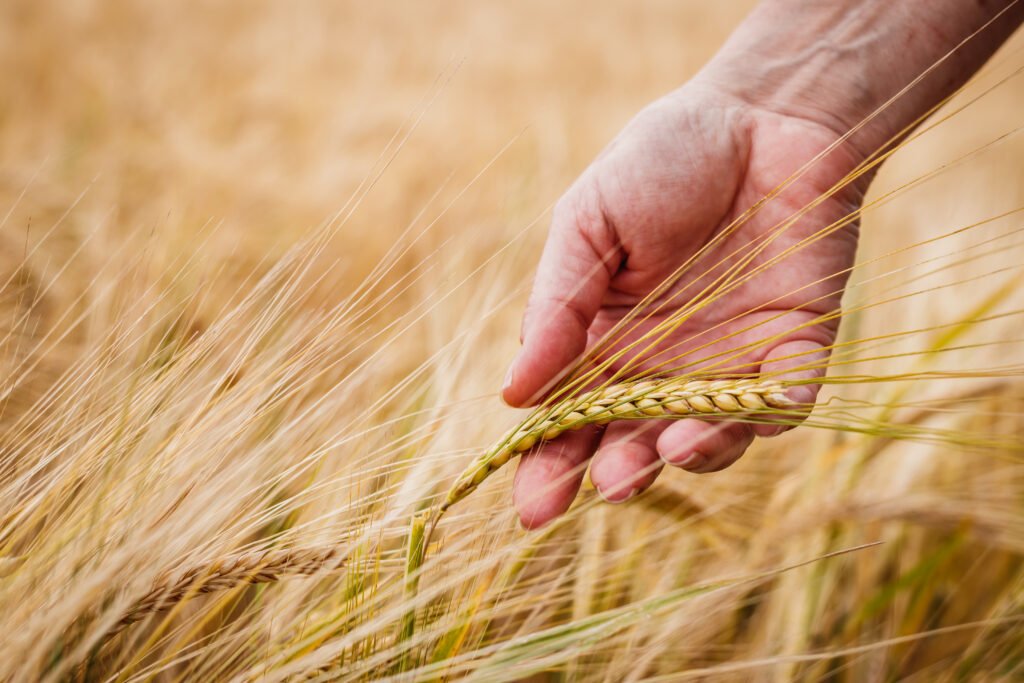
The Aarhus University team found that this difference comes down to as few as two amino acids — two specific molecular building blocks within the Symbiosis Determinant 1 region of the receptor protein. By changing just those two amino acids in the model legume Lotus japonicus, they converted a receptor that normally triggers an immune response into one that initiates symbiosis with nitrogen-fixing bacteria. Initial experiments in barley showed a similarly positive response, providing the first indication that the approach might be transferable to cereal crops.
Why It Matters Now
The stakes of this research are hard to overstate. Synthetic nitrogen fertilizer — produced through the Haber-Bosch process, which combines atmospheric nitrogen with hydrogen derived from natural gas — currently accounts for approximately 2% of the world’s total energy consumption and produces substantial CO₂ emissions. The Strait of Hormuz crisis has further exposed how structurally fragile the global nitrogen supply chain is: the loss of Gulf-region production and export capacity has driven urea prices up more than 50% in 2026 alone and, according to Yara International’s CEO, has put an estimated 10 billion meals per week at risk.
Crops that could fix their own nitrogen — the way legumes do — would not eliminate the need for fertilizer entirely, but could dramatically reduce it for the staple cereals that feed the majority of the world’s population.
The Road to Commercial Application
Significant scientific work remains before the discovery translates into deployable crop varieties. Nitrogen fixation is energetically expensive: bacteria that fix nitrogen require substantial carbon resources from the plant in exchange for the ammonia they provide, an energy trade-off that legumes manage effectively but that cereals have not evolved to accommodate. Extending symbiosis to wheat, maize, or rice will also require the plant to physically guide bacteria into root tissues in a controlled and contained way — a complex biological engineering challenge that goes well beyond modifying receptor proteins alone.
Researchers see two primary pathways: introducing nitrogen-fixing bacteria to existing cereal crops through external inoculation, or directly engineering the enzymatic and structural machinery required for nitrogen fixation into the crop genome itself. The Aarhus research represents meaningful progress on the receptor side of the first pathway.
Sources: Anthropocene Magazine, Nature (DOI: 10.1038/s41586-025-09696-3)
Key facts about the Aarhus University nitrogen-fixation research
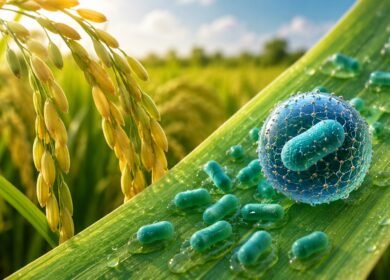
In legumes, root cells contain receptor proteins that have evolved to recognize specific chemical signals released by nitrogen-fixing bacteria such as Rhizobium. When the receptor detects these signals, it suppresses the plant’s immune response and activates a molecular pathway that allows the bacteria to enter the root, where they are housed in specialized structures called nodules. Inside the nodules, bacteria convert atmospheric N₂ into ammonia (NH₃) — a form of nitrogen the plant can absorb and use directly. In cereal crops, the equivalent receptors are set to a default defensive state and treat bacterial signals as threats, triggering an immune reaction rather than initiating symbiosis.
The team identified the Symbiosis Determinant 1 (SD1) region — a small area of the receptor’s internal signalling domain — and showed that changing just two amino acids within that region is sufficient to flip the receptor’s output from immune activation to symbiosis initiation. They first demonstrated this in Lotus japonicus, a legume widely used as a model organism for plant-microbe interaction research, and then showed that barley responded positively to the same receptor modification. The barley result is the critical step: it suggests the mechanism is not legume-specific but may be generalizable across the plant kingdom with further development.
Years, if not decades. The receptor reprogramming is one piece of a much larger biological puzzle. Even if a cereal’s immune system can be made permissive of nitrogen-fixing bacteria, the plant must still be able to physically accommodate bacterial colonization, allocate sufficient carbon energy to support the bacteria’s metabolic needs, and regulate the relationship without compromising yield or disease resistance. Moving from proof-of-concept in a model organism to a robust, stable, and commercially viable cereal variety involves extensive field testing, regulatory review, and seed system development. That said, progress in this area has been accelerating, and the Aarhus discovery represents a genuine and peer-reviewed step forward.
Not remotely, and not in any foreseeable timeframe. Even fully realized nitrogen-fixing cereals would likely reduce rather than eliminate the need for applied nitrogen, and synthetic fertilizer would almost certainly remain important for phosphate, potassium, and micronutrient supply regardless. The Aarhus research is significant for 2050 — it does not change the calculus for the 2026 or 2027 planting seasons.
The study was published in Nature in November 2025. The DOI is 10.1038/s41586-025-09696-3 and the paper is accessible at nature.com/articles/s41586-025-09696-3. The lead researchers, Kasper Røjkjær Andersen and Simona Radutoiu, are both professors of molecular biology at Aarhus University in Denmark.

Enjoyed this story?
Every Monday, our subscribers get their hands on a digest of the most trending agriculture news. You can join them too!




Discussion0 comments