

India faces twin threat of heat waves and fertilizer shortages ahead of key planting season

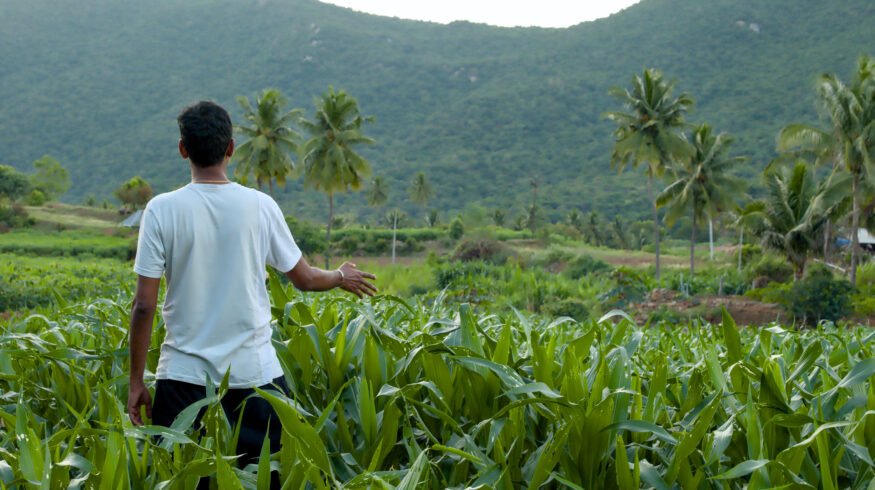

India enters the 2026 kharif planting season under mounting pressure, as severe heat waves and acute fertilizer shortages threaten rice and coarse grain yields in one of the world’s largest agricultural producers.
🌦️ What is the kharif season?
The kharif season is the monsoon planting cycle across the Indian subcontinent, typically running from June to October. Farmers sow crops with the arrival of seasonal rains and harvest them at the end of the monsoon period, making rainfall levels and timing critical for agricultural production.
🌾 Major kharif crops
Rice is the dominant kharif crop in India, alongside maize, cotton, soybeans, pulses, sugarcane, and millet. These crops account for a significant share of regional food supply, export earnings, and fertilizer demand during the annual planting season.
The kharif season, India’s main summer crop sowing period for rice, corn, and other coarse grains, typically accelerates at the end of the second quarter before the monsoon. Farmers in major producing states are expected to begin applying phosphate and nitrogen fertilizers in the coming weeks. However, access to key nutrients, especially diammonium phosphate (DAP) and urea, has tightened due to disruptions in Gulf-origin fertilizer supply chains linked to the conflict near the Strait of Hormuz. India’s reliance on Gulf imports for phosphate leaves domestic markets vulnerable to external supply shocks.
Fertilizer constraints are emerging as India faces some of the most intense heat waves on record. Analysts warn that combined heat stress and delayed nutrient availability could weaken crop establishment and reduce grain filling during critical growth stages, especially for rice, which is highly sensitive to fertilizer timing and application.
India’s 2025–26 rabi wheat harvest has provided some stability, with production reaching a record 120.2 million tonnes. However, market observers caution that the kharif season poses a greater risk to food supply due to rice’s central role in domestic consumption and exports.
A recent Deccan Herald editorial states that overlapping climate stress and fertilizer shortages reveal structural weaknesses in India’s agricultural supply and subsidy systems. The publication calls for reforms to strengthen fertilizer procurement and rural distribution networks during external disruptions.
The Indian government is accelerating fertilizer imports under its subsidy program, including a recent Indian Potash Ltd tender for 1.346 million tonnes of DAP. However, industry analysts note that even secured cargoes may take several weeks to reach rural distribution channels, potentially narrowing the optimal application window for farmers.
These developments increase economic and political pressure on the central government, as farm income volatility remains a sensitive issue in rural India. Expectations are rising that authorities will expand subsidized fertilizer distribution and strengthen crop insurance support as the kharif season progresses under challenging conditions.
Sources: Deccan Herald

Enjoyed this story?
Every Monday, our subscribers get their hands on a digest of the most trending agriculture news. You can join them too!







Discussion0 comments