

China pledges $17 billion annual U.S. farm purchases after Trump-Xi Beijing summit

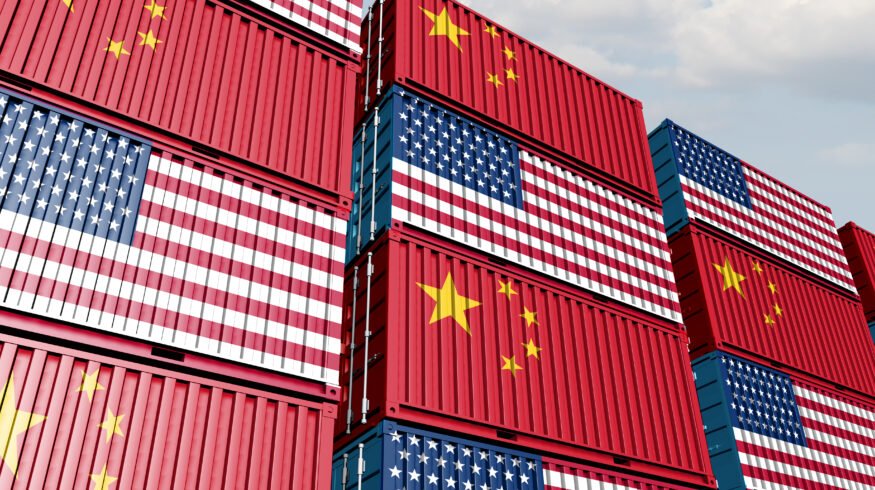

China has agreed to purchase at least USD 17 billion in U.S. agricultural goods annually through 2028 following a two-day summit in Beijing between Donald Trump and Xi Jinping, according to a White House announcement released May 18. The agreement represents one of the largest agricultural trade commitments between the two countries since the peak of bilateral trade relations earlier this decade and signals a potential easing of tensions that had sharply reduced U.S. exports to China.
The package includes renewed Chinese purchases of soybeans, beef, poultry, and other agricultural commodities and is designed to restore trade volumes that collapsed during successive tariff rounds and market-access disputes. The White House said the commitment is separate from an earlier soybean purchasing arrangement reached during the Trump-Xi summit in South Korea in October 2025.
Agricultural trade collapse drove export losses
U.S. agricultural exports to China peaked at USD 38 billion in 2022, with soybeans accounting for nearly half of total shipments. By 2025, exports had fallen to just USD 8 billion as Beijing shifted purchases toward Brazil and Argentina while tariff escalation reduced the competitiveness of U.S. products.
Soybean trade was among the sectors hardest hit. USDA data published May 7 showed only 10.9 million metric tonnes of U.S. soybeans had been shipped to China during the current marketing year, well below the historical range of 25 million to 30 million tonnes annually.
The White House said the new arrangement commits China to at least USD 17 billion in annual agricultural purchases through 2028, with a pro-rated target for the remainder of 2026. Combined with China’s previous commitment to import 25 million metric tonnes of U.S. soybeans annually, the total package could reach approximately USD 27 billion per year.
That figure would place bilateral agricultural trade roughly back to 2024 levels, when U.S. exports to China totaled USD 24.4 billion.
Beef and poultry exports regain market access
The agreement also restores access for more than 400 U.S. beef processing facilities whose export registrations expired during the trade dispute in 2025. Facilities operated by major agribusiness companies including Tyson Foods and Cargill are expected to resume shipments once registrations are renewed.
U.S. beef exports to China had declined from USD 2.14 billion in 2022 to less than USD 500 million in 2025 after China allowed plant export licenses to lapse.
Poultry imports from U.S. states certified by USDA as free from highly pathogenic avian influenza will also resume under the agreement. The restrictions had sharply reduced poultry exports, which fell from USD 1.1 billion in 2022 to USD 286 million last year.
China’s Ministry of Commerce confirmed both countries agreed to expand bilateral trade through reciprocal tariff reductions and measures addressing market-access barriers. However, Beijing did not publicly confirm the specific USD 17 billion annual purchase figure cited by the White House.
The discrepancy has prompted caution among trade analysts. Deborah Elms, head of trade policy at the Hinrich Foundation, told Al Jazeera she remained skeptical of trade figures announced by only one side before formal confirmation from Beijing.
Fertilizer sector could see downstream demand recovery
The agreement carries direct implications for U.S. fertilizer demand because soybeans and corn remain among the country’s largest consumers of crop nutrients.
A sustained rebound in Chinese agricultural purchases could encourage U.S. farmers to increase soybean and corn acreage for the 2027 planting season after many growers reduced fertilizer application rates in 2026 amid elevated nutrient costs and supply-chain disruptions tied to tensions around the Strait of Hormuz.
Higher soybean acreage typically supports phosphate fertilizer demand, particularly diammonium phosphate (DAP) and monoammonium phosphate (MAP), while expanded corn acreage increases consumption of nitrogen fertilizers and potash.
The timing of the agreement is particularly important for fertilizer producers and distributors because growers generally make fertilizer pre-booking decisions during the late summer and fall ahead of the next planting season. A confirmed recovery in export demand before September could therefore materially affect 2027 fertilizer demand forecasts across North America.
Business diplomacy and future negotiations
Among the U.S. executives accompanying Trump to Beijing was Brian Sikes, underscoring the agricultural industry’s strategic interest in restoring trade ties with China.
The two governments also announced plans to establish a bilateral “board of trade” and a “board of investment” focused on managing economic relations in sectors considered non-sensitive, including agriculture, energy, and aviation.
A follow-up meeting between Trump and Xi is expected to take place in the United States in September as both countries continue negotiations over tariffs, industrial goods, and broader economic cooperation.
Source: Al Jazeera
Key facts about the U.S.-China agricultural trade deal
China committed to buying at least $17 billion in U.S. agricultural products annually through 2028, with a pro-rated target for the remaining months of 2026. This is in addition to China’s existing pledge to buy 25 million metric tonnes of U.S. soybeans per year. The White House estimates the combined value at roughly $27 billion annually, approximately on par with the $24.4 billion in U.S. agricultural exports to China recorded in 2024.
U.S. agricultural exports to China peaked at $38 billion in 2022, with nearly $18 billion in soybeans alone. They fell to $8 billion in 2025 as tariff escalation intensified and China diverted purchases to Brazil and Argentina. China also let export licenses for hundreds of U.S. beef plants expire, and poultry exports shrank from over $1 billion in 2022 to $286 million in 2025.
China’s Ministry of Commerce did not cite a specific amount in its own readout. It confirmed agreement to expand trade through reciprocal tariff reductions on a “specific range of products” and to address market access barriers. Trade analysts have advised treating White House-only figures with caution until Beijing provides matching confirmation with specifics.
More than 400 U.S. beef processing facilities — including Tyson and Cargill operations — will be able to resume exports once registration renewals are processed. Poultry imports will resume from states certified by the USDA as free of HPAI. Neither side specified a timeline for first shipments under the new arrangement.
If Chinese buying confidence supports U.S. soybean and corn acreage decisions into 2027, farmers may reverse fertilizer application cuts made in 2026. DAP and MAP demand correlate with soybean acreage; nitrogen and potash demand track corn. The timing aligns with pre-booking decisions farmers typically make in late summer and fall — meaning a confirmed deal before September could materially shift 2027 demand forecasts.

Enjoyed this story?
Every Monday, our subscribers get their hands on a digest of the most trending agriculture news. You can join them too!


Discussion0 comments