

Brazil’s grape and wine industry expands internationally despite weather and pricing challenges

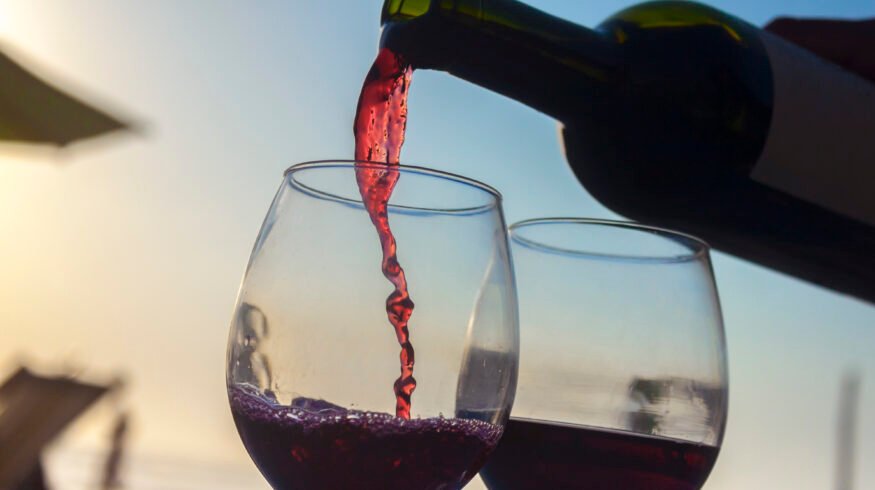

Brazil is solidifying its role as a leading global grape and wine producer, driven by technological innovation, premium grape expansion, and rising demand domestically and internationally. According to the United States Department of Agriculture, Brazil ranks as the world’s 14th largest grape producer and 11th largest wine producer, with vineyards mainly in Rio Grande do Sul, Santa Catarina, and Paraná.
Brazil’s grape cultivation covered 85,000 hectares in 2025 and is expected to reach 86,711 hectares in 2026, according to the Brazilian Institute of Geography and Statistics. The industry includes both small family vineyards and large commercial wineries, with significant investments in precision irrigation, genetic improvements, and disease management. Producers are prioritizing productivity and grape quality through technology rather than expanding acreage.
Northeast Brazil gains importance in grape production
Rio Grande do Sul remains Brazil’s primary grape-growing region with about 48,000 hectares of vineyards, but northeastern states are gaining significance. Pernambuco, which includes the irrigated São Francisco Valley, produced over 755,000 metric tons of grapes in 2025, nearly double the 2023 output.
The São Francisco Valley is now one of Brazil’s most productive agricultural areas, enabled by extensive irrigation from the São Francisco River. This allows multiple grape harvests annually despite the semi-arid climate. The report notes that modern irrigation and advanced farming have made the region a key supplier of table and wine grapes for export.
Brazilian grape yields have increased significantly over the past two decades. Average productivity rose from 1,024 tons per hectare in 2000 to a record 1,820 tons per hectare in 2024, reflecting wider adoption of modern practices and new cultivars developed by the Brazilian Agricultural Research Corporation.
Embrapa has been instrumental in developing grape varieties suited to Brazil’s diverse climates and supporting farmers with technical training and research. Its BRS Vitória variety is now Brazil’s leading seedless grape, valued for its high sugar content and multiple annual harvests.
Prices rise as supply constraints persist
Brazilian grape prices have risen over the past decade, driven by increased domestic consumption, export demand, and higher production costs from modernization. Average prices grew from BRL 6.10-7.98/kg (USD 1.17-1.53/kg) in 2021 to BRL 9.69-12.79/kg (USD 1.86-2.45/kg) in 2025.
Supply shortages in the São Francisco Valley and reduced availability of premium seedless grapes have also supported higher prices. Producers faced delayed rainfall and reduced pruned acreage in 2026, and some invested in protective coverings to shield vineyards from excessive rain, further increasing costs.
Domestic grape consumption continues to grow, reaching 7.71 pounds per capita in 2025, up from 7.05 pounds in 2024. Consumers increasingly prefer seedless, premium, and organic varieties, and domestic wine demand is rising along with wine tourism.
Exports expand but competition remains intense
Brazil exported 62,168 metric tons of grapes in 2025, a 5.8% increase from the previous year, ranking 12th globally. Europe remained the top destination, with strong growth in shipments to Canada and Argentina. Exports to the United States declined sharply after peaking in 2023.
The report noted that roughly 50% to 60% of Brazilian grape production is directed toward industrial processing for juice and wine production, while the remainder is consumed fresh.
Brazil’s wine industry has expanded internationally, exporting 16.61 million liters of wine in 2025 after several years of decline. Growth was driven by increased sales to Paraguay, Haiti, and the European Union. Paraguay remained the largest market, with imports reaching a record 8.8 million liters in 2025.
The report notes increasing international recognition for Brazilian wine regions such as Vale dos Vinhedos and the São Francisco Valley, which received a Geographical Indication in 2022. Brazil’s sparkling wine segment, especially in Serra Gaúcha, has also gained prominence in export markets through both traditional and Charmat methods.
Brazil remains a significant wine importer. In 2025, Chile led wine shipments to Brazil with 78.4 million liters, followed by the European Union and Argentina.

Enjoyed this story?
Every Monday, our subscribers get their hands on a digest of the most trending agriculture news. You can join them too!






Discussion0 comments