

Iran and Oman draft managed Strait of Hormuz protocol: fertilizer vessels face selective toll regime

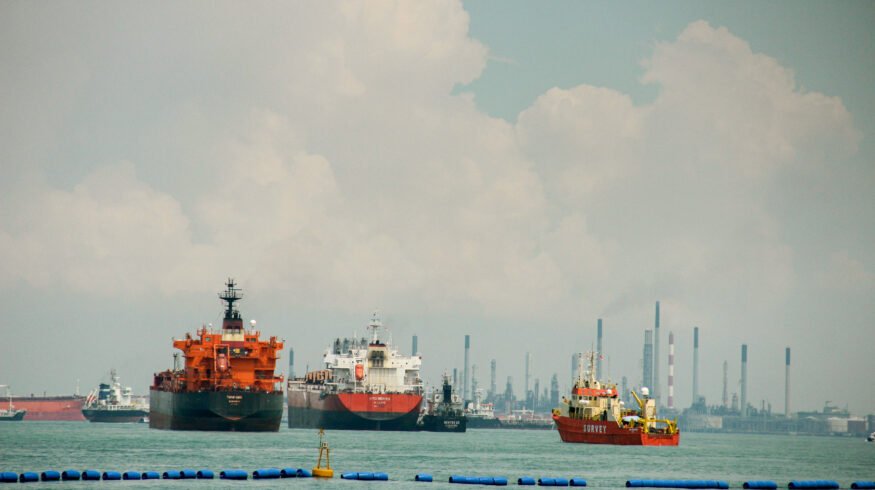

Iran and Oman are finalizing a joint framework to regulate commercial traffic through the Strait of Hormuz, with Iranian officials confirming the protocol is “imminent” and would restrict passage to vessels operating with Tehran’s cooperation — a development that could permanently reshape the economics of global fertilizer trade.
Ebrahim Azizi, chairman of Iran’s parliament national security and foreign policy committee, confirmed last week that the framework had been prepared and would be “unveiled soon.” Under the proposed mechanism, only commercial vessels and parties co-operating with Iran would be granted access, while ships linked to the U.S.-backed Project Freedom — a naval escort operation for stranded Gulf-loaded cargoes — would be excluded, Azizi said.
Tehran has already operationalized a public communication channel, creating an official PGSA account on X (formerly Twitter) on May 18 to publish vessel movement updates and clearance signals — the first structured communication infrastructure since the conflict began on February 28.
The scale of the disruption remains severe. According to Lloyd’s List, only 40 ships crossed the Strait in the week ending May 3, against a pre-war average of approximately 120 crossings per day. An estimated 1,000 vessels remain stranded in a holding pattern in the Persian Gulf, including dozens loaded with Saudi urea, Qatari ammonia, and liquid sulfur destined for phosphate producers. Iran and Oman met last week at the expert level to advance the joint protocol, with Iranian Foreign Ministry spokesman Esmaeil Baghaei confirming ongoing contact with Oman.
If formalized, the managed access regime would introduce a quasi-toll structure on the world’s most critical fertilizer shipping corridor — through which roughly 30% of globally traded fertilizer products, or around 16 million tonnes annually, normally transit. Argus Media analysts note the mechanism could become a permanent structural feature of Gulf nitrogen and phosphate trade, raising the floor for delivered prices globally and shifting market power toward producers able to route cargo through the Red Sea via the Saudi land-bridge bypass.
Next watch: formal publication of the Iran-Oman framework text; Iran has signaled publication is weeks away, and any fee schedule attached to clearances will set the market’s immediate price response.
Source: TRT World

Enjoyed this story?
Every Monday, our subscribers get their hands on a digest of the most trending agriculture news. You can join them too!






Discussion0 comments