

Brazil increases pulses exports as domestic bean consumption falls

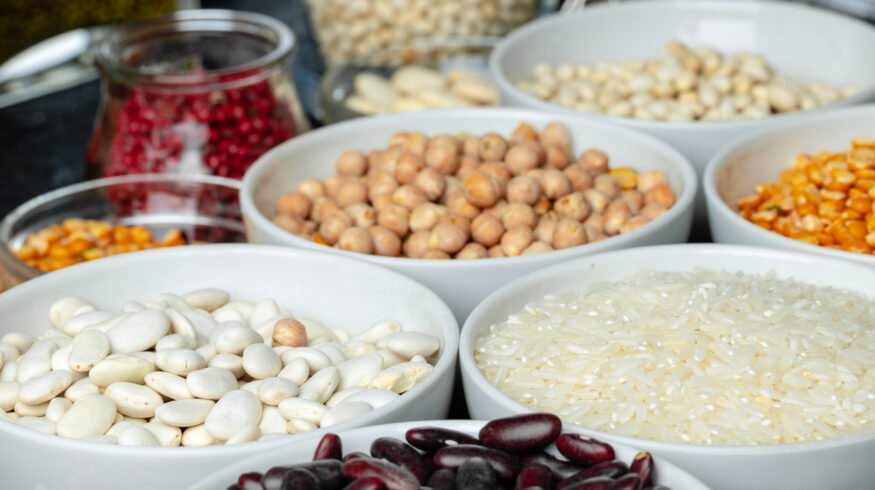

Brazil is strengthening its position in the global pulses market, with exports rising sharply even as domestic consumption of traditional beans declines, according to a new USDA report. The country produced over 3.5 million metric tons of dry beans and remains one of the world’s largest producers and consumers.
The report stated that Brazilian pulses exports rose 30% year over year in 2025 to USD 443.3 million, totaling 533,300 metric tons. Dried beans accounted for over 98% of shipments. India, Pakistan, and Egypt were leading destinations, especially for varieties such as Vigna mungo and cowpeas, which have limited domestic demand. Analysts noted that export growth does not threaten local food security, as Brazil primarily exports bean varieties not widely consumed domestically.
Brazil remains heavily dependent on imports of chickpeas, lentils, and peas. Chickpeas are sourced mainly from Argentina and Mexico, while Canada is the primary supplier of lentils. The report noted that domestic production of these crops is expanding as producers adapt varieties to local conditions and respond to rising demand for plant-based proteins.
Although beans remain a staple in the Brazilian diet, per-capita consumption has dropped by about half since the 1960s and 1970s, now reaching 12 to 13 kilograms per person annually. The report attributes this decline to changing lifestyles, increased consumption of processed foods, and less time for home cooking. Industry groups and government-backed nutrition programs are promoting beans and other legumes as affordable plant-based protein sources to help reverse this trend.
The USDA report also highlighted ongoing challenges for Brazil’s pulses sector, including climate volatility, high fertilizer costs, pest pressure, and competition from soybeans and corn for acreage. However, expanding irrigation, improved seed varieties, and increasing international demand for specialty beans could support further growth in the coming years.
Sources: USDA Foreign Agricultural Service

Enjoyed this story?
Every Monday, our subscribers get their hands on a digest of the most trending agriculture news. You can join them too!








Discussion0 comments