

UK launches first gene-edited crop trial under new precision breeding law as Mosaic backs Rothamsted spinout

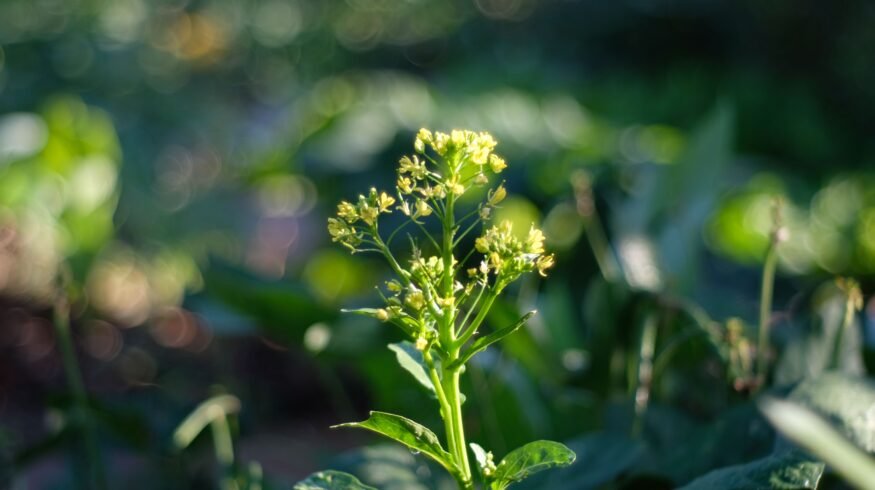

The United Kingdom has planted its first gene-edited crop under the country’s new precision breeding legislation, marking a milestone in the government’s effort to accelerate agricultural biotechnology development outside the European Union’s stricter GMO regime.
Rothamsted Research said it had drilled the first crop to receive a Precision Bred Organism Release Notice under the Genetic Technology (Precision Breeding) Act 2023 and the associated Precision Breeding Regulations 2025. The field trial involves Camelina sativa, an emerging oilseed crop, with researchers using CRISPR gene-editing technology to study whether seed size, oil content and crop yields can be improved. Scientists described the project as a proof-of-concept for the new regulatory pathway rather than a direct commercial variety launch. Dr. Mollie Langdon, who is leading the trial, said the program demonstrates the potential benefits of gene editing for U.K. agriculture.
The Precision Breeding Act establishes a separate legal category for organisms whose genetic changes could have occurred naturally or through conventional breeding, distinguishing them from genetically modified organisms regulated under the earlier EU-derived framework. The new release notice mechanism creates a simplified pathway for conducting outdoor trials of precision-bred crops without the full regulatory restrictions previously associated with GMO field testing.
In a parallel development tied to the same research ecosystem, Mosaic invested £2.5 million (approximately USD 3.2 million) in SugaRox, a biotechnology spinout from Rothamsted Research and the University of Oxford. The funding will support development of precision crop biostimulants designed to improve plant performance. Mosaic, one of the world’s largest phosphate and potash producers, has been expanding its Mosaic Biosciences platform as fertilizer companies increasingly invest in biological and efficiency-enhancing agricultural technologies alongside traditional nutrient products.
Together, the developments underscore how the U.K. is positioning itself as one of the few major agricultural markets to formally differentiate precision breeding from conventional genetic modification following Brexit, creating both regulatory and commercial openings for gene-editing and biological crop technologies.
Sources: Agriland

Enjoyed this story?
Every Monday, our subscribers get their hands on a digest of the most trending agriculture news. You can join them too!






Discussion0 comments