

El Niño threat raises disease concerns for Florida’s $500 million strawberry industry

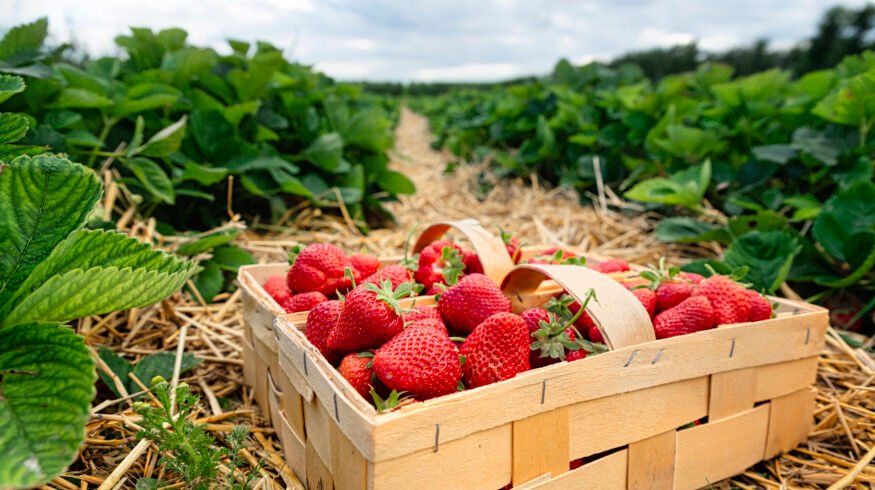

Florida strawberry growers could face heightened disease pressure during the upcoming season as forecasters warn that an El Niño weather pattern may develop and persist through the end of the year, according to new research from the University of Florida Institute of Food and Agricultural Sciences (UF/IFAS).
Researchers found that El Niño conditions, which typically bring cooler temperatures and above-average rainfall to Florida, create favorable conditions for fungal diseases such as Botrytis fruit rot. The disease poses a significant threat to the state’s strawberry industry, valued at approximately $500 million annually and concentrated in west-central Florida, particularly Hillsborough County. Florida remains the nation’s leading producer of winter strawberries, with harvests running from November through April.
Vinicius Cerbaro, a postdoctoral researcher in UF/IFAS’ agricultural and biological engineering department, presented findings from a study analyzing 74 years of climate data from 1950 to 2024. The research examined the relationship between the El Niño Southern Oscillation (ENSO) and disease risk in strawberry production. According to the study, Botrytis risk was above average about 70% of the time during El Niño years across key growing counties, including Hillsborough, Polk, Manatee, and Hardee.
The study also found that growers in Hillsborough County using the Strawberry Advisory System (SAS) often increased fungicide applications by as much as 50% during El Niño years. Unlike calendar-based spraying schedules, SAS relies on weather-based alerts that signal when environmental conditions favor disease development, allowing growers to time treatments more precisely.
“There is currently about a 60% chance that El Niño will emerge between May and July and persist through the end of the year,” Cerbaro said. He noted that excessive rainfall, reduced sunshine, and higher disease pressure could complicate the next strawberry season, affecting fruit development and increasing management challenges for growers.
Researchers said the findings could also support the development of preseason disease-risk alerts linked to climate forecasts. Such advance warnings could help farmers adjust disease-management strategies before planting and improve preparedness for potentially challenging growing conditions.
Sources: University of Florida / IFAS

Enjoyed this story?
Every Monday, our subscribers get their hands on a digest of the most trending agriculture news. You can join them too!






Discussion0 comments