

OceanWell pushes forward with deep-sea desalination technology as water scarcity becomes a bigger concern

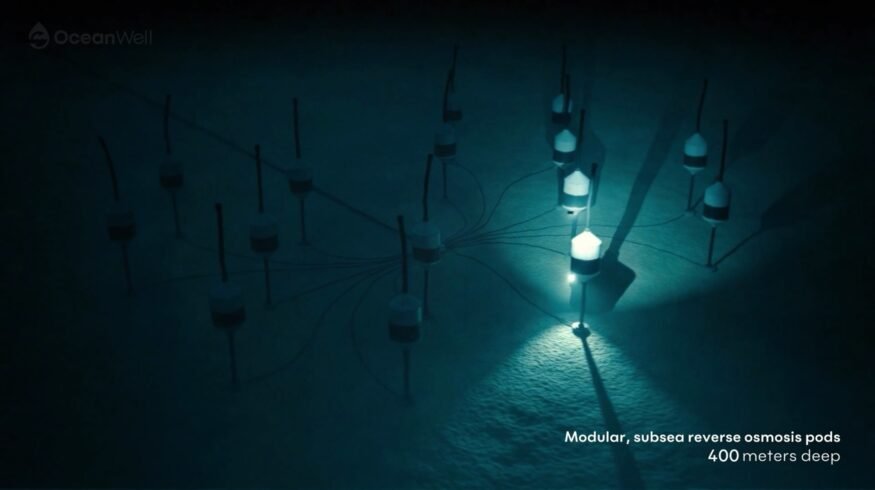

OceanWell, based in California, is working on a new way to turn seawater into drinking water that could use much less energy. As drought, population growth, and aging infrastructure strain freshwater supplies worldwide, this technology could help. The company recently reached the semifinals of the USD 119 million XPRIZE Water Scarcity competition after showing how its subsea desalination system works. By using natural ocean pressure to power reverse osmosis, the system can cut energy use by up to 40% compared to traditional desalination methods.
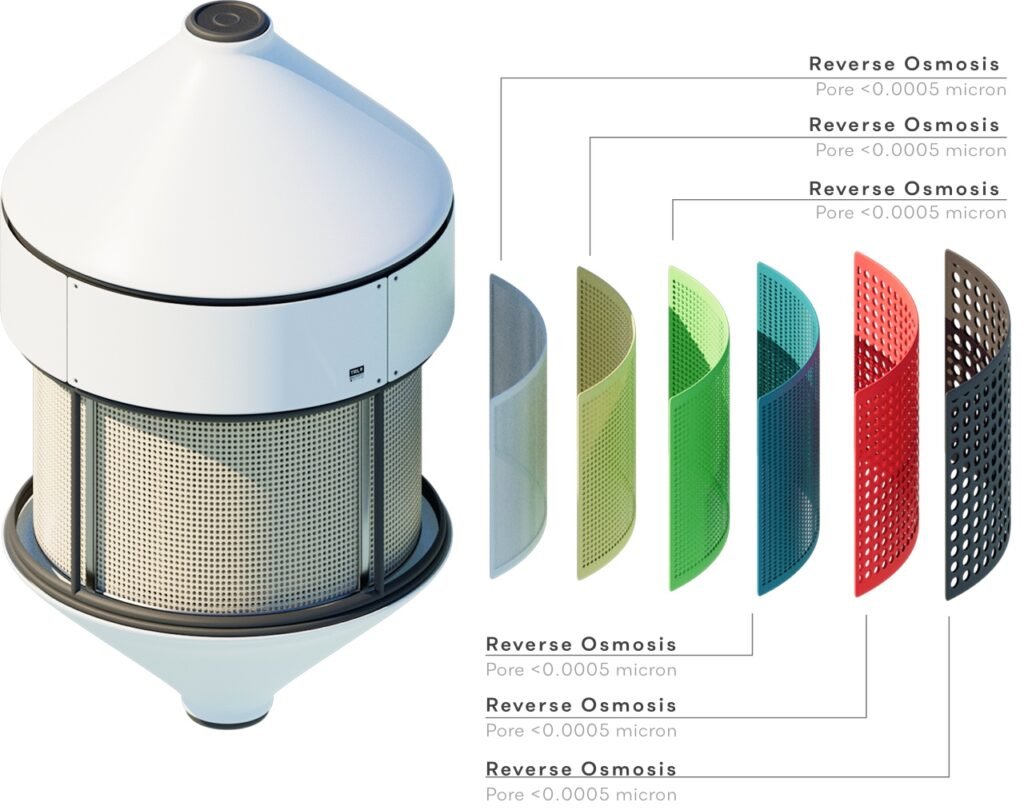
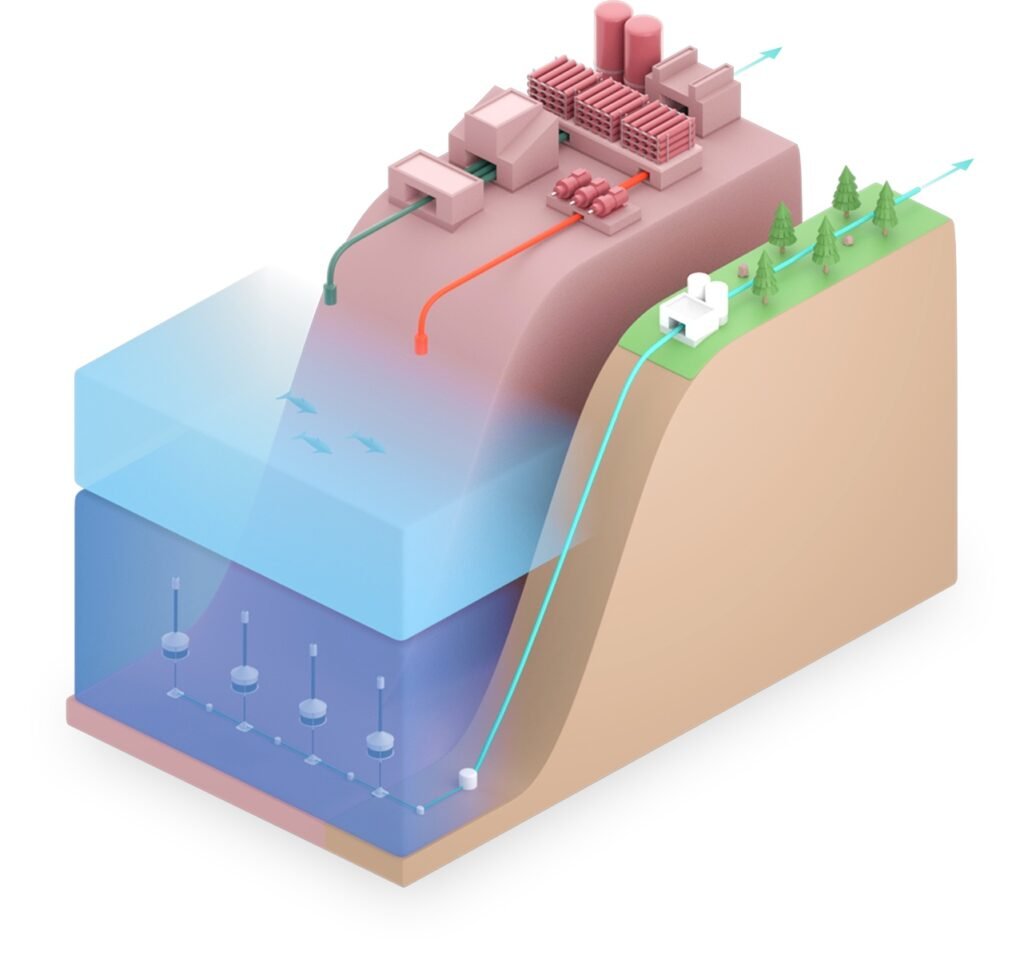
Traditional desalination plants pump seawater to shore and then push it through high-pressure membranes. In contrast, OceanWell’s modular subsea pods operate at depths of more than 400 meters (1,300 feet) below the ocean surface, using natural pressure to support desalination. Freshwater is sent to shore, while the leftover brine is returned to the sea, reducing environmental impact and avoiding the need for large coastal facilities. Each pod can make up to one million gallons of freshwater daily, and several pods can be grouped together to form large ‘water farms.’
OceanWell finished a successful pilot project with the Las Virgenes Municipal Water District in Southern California. Now, the company is teaming up with 25 California water agencies to build Water Farm 1, a commercial project planned off the coast near Malibu. This facility could eventually provide 50 to 60 million gallons of drinking water per day starting around 2030. OceanWell is also looking at different ways to power the offshore system, such as connecting to onshore electricity or using future offshore wind power.
OceanWell’s recent momentum also includes a memorandum of understanding with France’s Eau d’Azur to evaluate deployment opportunities in the Mediterranean region, as well as support from Kubota Corporation, the European Water Tech Accelerator, and Boston Consulting Group’s Social Impact Accelerator.
According to the company, its modular subsea design aims to address several longstanding challenges associated with conventional desalination, including high energy consumption, concentrated brine discharge, extensive coastal infrastructure, and environmental impacts on marine ecosystems, while providing a scalable, climate-resilient source of freshwater for water-stressed regions.

Enjoyed this story?
Every Monday, our subscribers get their hands on a digest of the most trending agriculture news. You can join them too!





Discussion0 comments