

BHP records $2.3 billion impairment on Jansen potash expansion as Stage 2 costs rise.

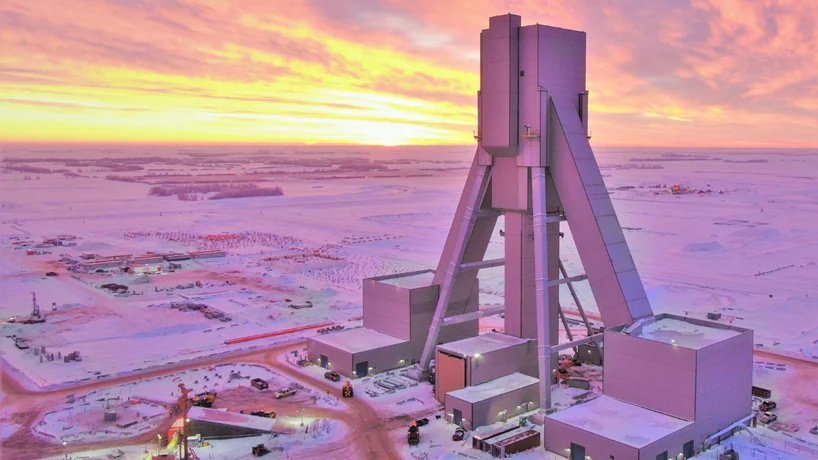

BHP will record an impairment charge of approximately USD 2.3 billion on its Jansen potash project in Saskatchewan after raising the estimated cost of the mine’s second development stage to USD 6.9 billion, a 42% increase from the USD 4.9 billion initially approved. The updated estimate also delays first production from Stage 2 to late 2031 due to higher construction costs, additional engineering needs, and inflation.
BHP attributed the revised budget to increased construction labor hours, higher material requirements identified during detailed engineering, and overall cost escalation. As of May 2026, Stage 2 was 16% complete, with engineering 83% finalized. Based on long-term potash price forecasts from Argus and CRU, BHP expects Stage 2 to deliver an 11% post-tax nominal internal rate of return, an eight-year payback period, and EBITDA margins above 65%.
Despite the setback, BHP stated that Jansen Stage 1 remains on track to begin production in mid-2027. This phase’s budget was previously increased to USD 8.4 billion in January 2026. Once both stages are fully operational after a two-year ramp-up, the mine is expected to produce about 8.5 million metric tons of potash annually, or roughly 10% of global supply. BHP reaffirmed its expectation that Jansen will be Canada’s lowest-cost potash operation, with unit operating costs estimated at USD 114-130 per metric ton at full capacity.
This impairment is the latest cost revision since BHP approved the original USD 5.7 billion investment in Jansen in August 2021, underscoring the challenges of large-scale underground mining projects amid labor shortages and construction inflation in Saskatchewan. BHP stated that the higher projected capital intensity reduced the asset’s market value, necessitating an accounting write-down.
Once fully operational, Jansen is expected to position BHP among the world’s largest potash producers, competing with established Canadian suppliers Nutrien and Mosaic. BHP plans to market muriate of potash primarily through distributors serving major import-dependent agricultural markets, including Brazil and Southeast Asia.
Source: BHP

Enjoyed this story?
Every Monday, our subscribers get their hands on a digest of the most trending agriculture news. You can join them too!




Discussion0 comments