

Hormuz fertilizer shipments resume, but full supply recovery remains months away

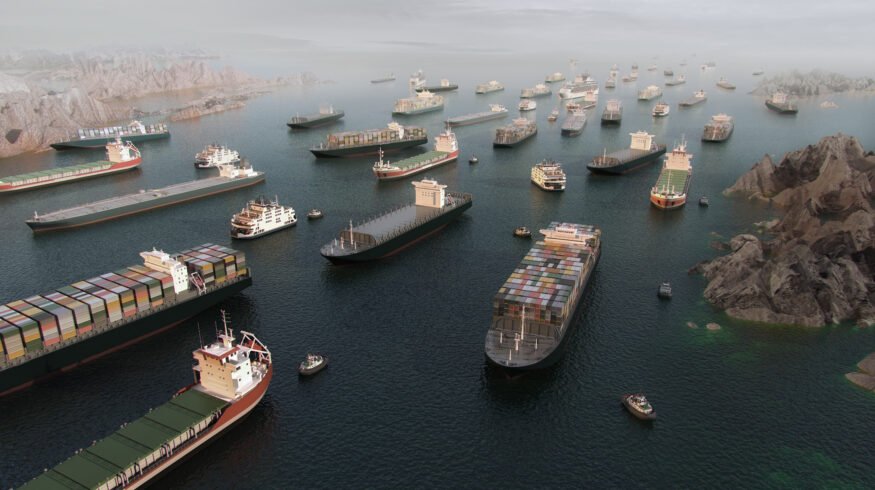

Fertilizer shipments through the Strait of Hormuz have resumed after a three-and-a-half-month disruption, with about 640,000 tonnes of sulfur, a key feedstock for diammonium phosphate (DAP), departing since the June 15 U.S.-Iran interim peace agreement. Tanker-tracking data indicate cargoes are now bound for Indonesia, Morocco, Tanzania, and China, signaling the first signs of supply improvement after months of conflict.
Despite resumed shipments, analysts warn that normal export volumes are still months away. Willis Thomas, chief fertilizer analyst at CRU, told Reuters that August is the earliest the industry could see a significant increase in shipments. Approximately 600,000 tonnes of urea remain stranded in the strait, and Argus estimates that 300,000 to 400,000 tonnes of sulfur are still awaiting export. Analysts also note that few empty bulk carriers have returned to load new cargoes, which limits the pace of recovery.
“The flows trickling through the strait are a relief. But at the same time, the majority will be against old sales. They’re not going to provide fresh tonnages to the market,” Sarah Marlow, head of fertilizer pricing at Argus, told Reuters.
Renewed security concerns further complicate the outlook. The UN International Maritime Organization suspended its escort operation after a reported attack on a vessel, casting doubt on the ceasefire’s stability. Additionally, fertilizer production facilities across the Gulf still require repairs before exports can return to pre-war levels. BIMCO has warned that fertilizer exports from Qatar and the UAE may remain below historical levels in the medium term due to damage to gas fields and refinery infrastructure.
Before hostilities began on February 28, about one-third of global urea and nearly half of seaborne sulfur passed through the Strait of Hormuz each week. Weekly fertilizer exports then fell by about 90%, dropping from roughly 600,000 tonnes in late February to just 60,000 tonnes by early June.
Source: Reuters

Enjoyed this story?
Every Monday, our subscribers get their hands on a digest of the most trending agriculture news. You can join them too!





Discussion0 comments