

Soil bacteria boost crop salt tolerance by strengthening roots, study finds

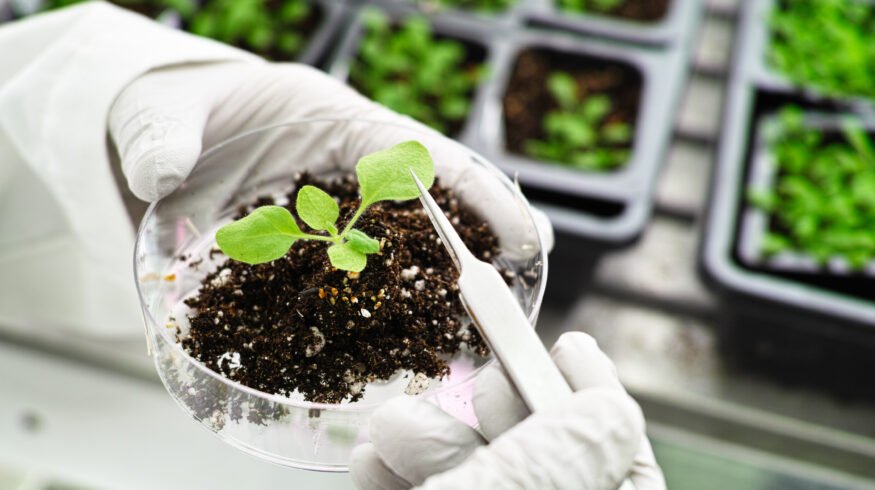

According to a study published in Science Advances, soil bacteria may help crops tolerate saline conditions by stimulating plants to strengthen their root systems. Researchers from the University of East Anglia and collaborators in China found that naturally occurring Pseudomonas bacteria increased root lignin production by over 30%, enhancing salt tolerance in soybean, maize, tomato, and rapeseed.
The researchers discovered that, instead of limiting sodium uptake as previously thought, the bacteria activate the plant’s lignin biosynthesis pathway, strengthening root cell walls against salt stress. Greenhouse and field trials demonstrated healthier plants and higher yields under high-salinity conditions. “We found that plants appear to recruit beneficial bacteria in salty soil conditions,” said Jonathan Todd of the University of East Anglia’s School of Biological Sciences.
These findings may provide a low-input method to improve crop production on salt-affected farmland, a growing global issue due to increased irrigation, drought, and soil degradation. The researchers noted that naturally occurring Pseudomonas strains could be developed into biological seed or soil treatments, with further field validation and commercial development in progress.
Source: Science Advances

Enjoyed this story?
Every Monday, our subscribers get their hands on a digest of the most trending agriculture news. You can join them too!



Discussion0 comments