

AccuWeather warns that a strong El Niño could cause prolonged drought and threaten U.S. crop yields


AccuWeather warns that an exceptionally strong El Niño, expected to peak in late 2026 and continue into early 2027, could lead to prolonged drought across the U.S. Plains. This scenario threatens crop production, water supplies, and agricultural markets. The company estimates a 70% probability that the current climate pattern will strengthen into a “Super El Niño,” similar to major events in 1965-66, 1982-83, and 1997-98.
AccuWeather long-range meteorologist Paul Pastelok notes that while El Niño usually brings above-average rainfall to the southern U.S. during its peak, the two to three years following the strongest events are often much drier across the Plains, from Texas to the Dakotas. He adds that stronger El Niño episodes tend to delay the return to normal weather patterns.
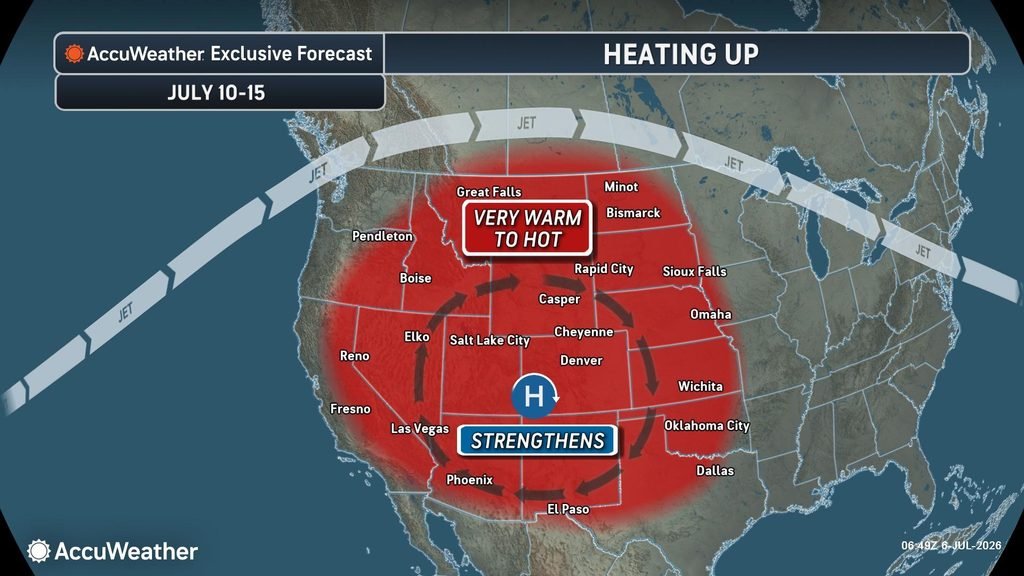
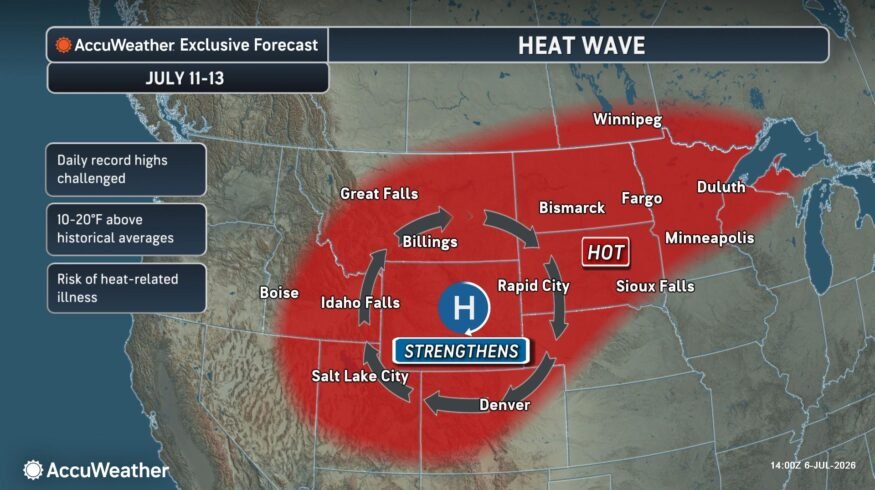
This warning comes as drought conditions have already intensified in several key agricultural states. AccuWeather cites U.S. Drought Monitor data showing that as of mid-June, 50% of Nebraska, 41% of Wyoming, 35% of Colorado, and 30% of Oklahoma faced extreme drought, compared to minimal drought in these states a year ago. Major agricultural regions have also seen precipitation deficits of over 40% below normal this year. For example, Cheyenne, Wyoming, recorded 3.87 inches of rainfall year-to-date, nearly 48% below the historical average.
AccuWeather Founder Joel Myers stated that the ongoing drought could lead to a “mini-Dust Bowl” if dry conditions continue after El Niño weakens. He warned that prolonged moisture deficits may reduce soybean yields, strain water supplies, and increase food prices. While he emphasized that a repeat of the 1930s Dust Bowl is unlikely due to improved farming practices, Myers noted that persistent cycles of drought, heat, and reduced rainfall remain a significant concern.

Enjoyed this story?
Every Monday, our subscribers get their hands on a digest of the most trending agriculture news. You can join them too!








Discussion0 comments