

Modified biochar and irrigation strategy reduce cadmium and mercury in rice, study finds

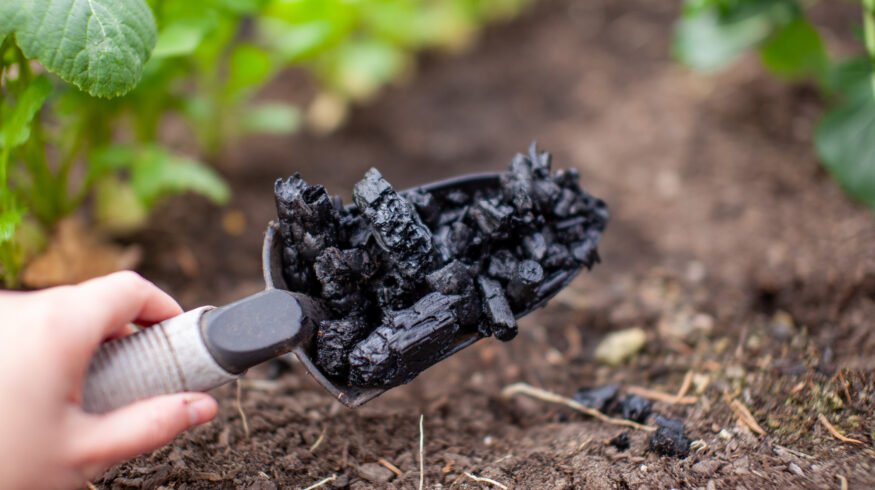

A team of Chinese researchers has found that combining iron- and manganese-modified biochar with targeted irrigation strategies can significantly reduce cadmium and mercury uptake in rice grown on contaminated paddy soils. The findings suggest the approach could help farmers improve food safety in areas affected by heavy metal pollution, according to a study published in the journal Biochar.
The researchers, led by Yuebing Sun, evaluated the modified biochar, known as FMBC, under continuous flooding and continuous aerobic irrigation in pot experiments using soils contaminated with cadmium and mercury. Continuous flooding combined with FMBC reduced cadmium concentrations in rice grain to 0.05 milligrams per kilogram, well below China’s food safety limit of 0.2 mg/kg. While flooding typically increases the formation of toxic methylmercury, the modified biochar also limited mercury accumulation by influencing the microbial processes responsible for methylmercury production.
The study found that under aerobic irrigation, FMBC-treated soils produced rice grain containing 0.02 mg/kg of total mercury and 6.89 micrograms/kg of methylmercury while also reducing the increase in cadmium that normally occurs under drier conditions. The researchers concluded that continuous flooding with FMBC is better suited for cadmium-dominated soils, while aerobic irrigation with FMBC may be preferable where mercury contamination presents the greater risk. They noted that field-scale trials will be needed to confirm the results under commercial farming conditions.
Source: EurekAlert

Enjoyed this story?
Every Monday, our subscribers get their hands on a digest of the most trending agriculture news. You can join them too!






Discussion0 comments